How to Divide a Room Without Building a Wall
July 11, 2026

A wall is the most expensive way to make two rooms out of one, and the least reversible. But the need is real: a studio where the bed shouldn't stare at the sofa, a kids' room split between siblings, a corner of the living room that has to act like an office five days a week. Every one of those gets solved with fabric, furniture, or light, at a small fraction of drywall money, and every solution here moves out when you do.
The Curtain Wall
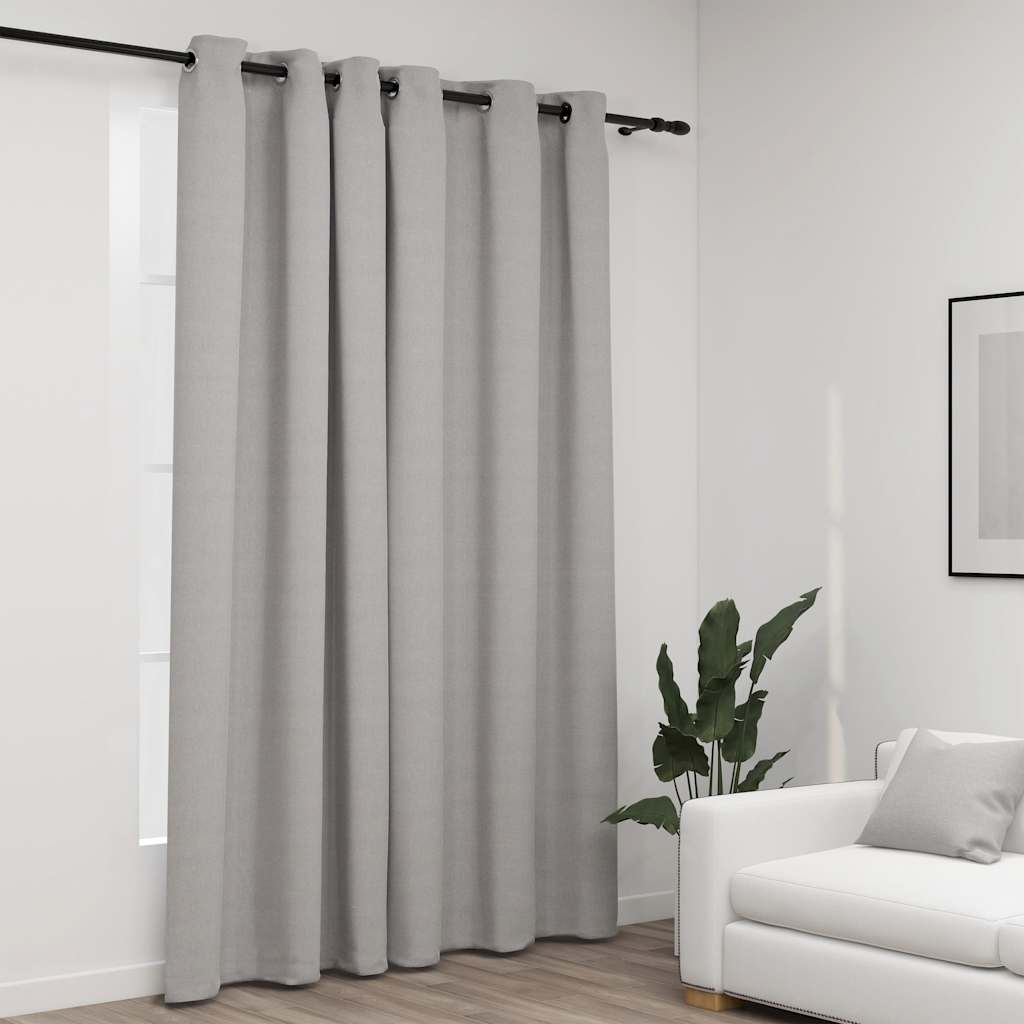
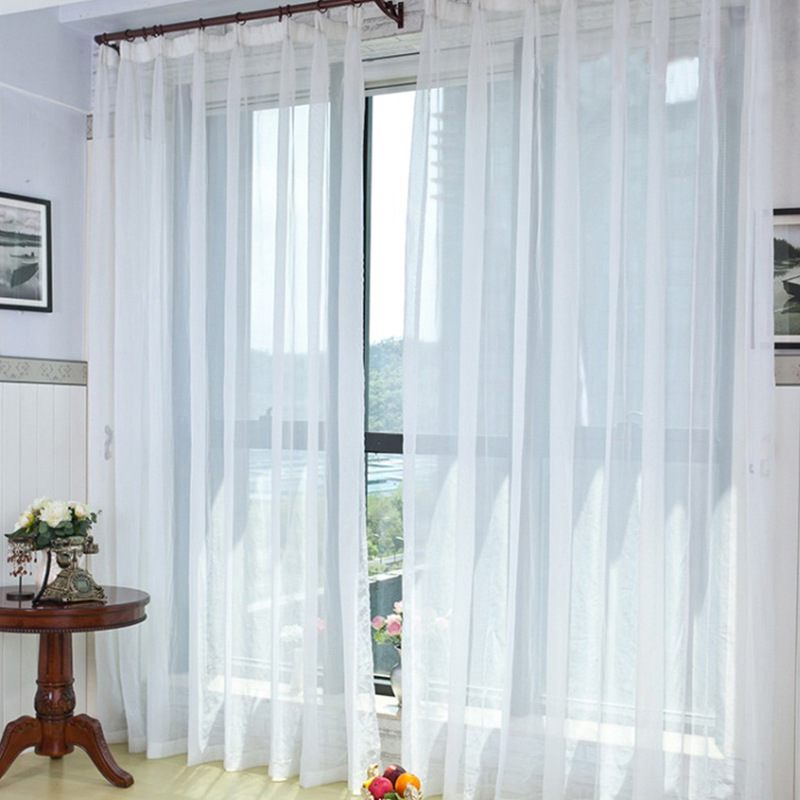
The workhorse. A ceiling-mounted track or a heavy-duty rod, plus floor-to-ceiling fabric, gives you a wall that opens. Run it across the room to split it, or wrap an L around a bed corner. Full height is the detail that makes it work: a curtain that stops a foot short of the ceiling reads as a laundry line, while one that runs slab to floor reads as architecture. Pick fabric by job, from the door curtain and divider range for standard spans or full curtain panels for wider runs. Heavy, opaque fabric makes a bedroom; lighter cotton just suggests the boundary.
String and Bead Curtains
Where a solid curtain would choke the light, string curtains divide without darkening. The strands mark the boundary clearly, sway when you walk through, and let air and daylight keep circulating, which matters in a studio with windows on only one wall. Beaded and tassel versions push it toward decor. These shine at doorway-scale gaps and closet-nook transitions where a swinging door would eat floor space and a solid panel would feel like a cave entrance.
Shelving You Can See Through
An open-backed bookcase set perpendicular to the wall is a divider that pays rent. It splits the space, holds books and plants on both faces, and keeps sightlines open through the gaps so neither zone goes dim. A pair of tall units with a walk-through gap between them frames the passage like a doorway. Anchor anything tall against tipping, especially with kids around, and load the bottom shelves heaviest so the whole thing stays planted. Options in the furniture range work in this role.
Tapestries and Fixed Panels
For a divider that never needs to open, a large tapestry hung from the ceiling is the lightest and cheapest full-height option going. Two hooks and a dowel, and a fabric wall appears. It won't stop sound and you can't walk through it, so treat it as the back wall of a sleeping nook or the office corner's fourth side rather than a working door.
Zoning With Rugs and Light
Half of division is suggestion. A rug under the seating group and a different rug under the desk splits a room without a single vertical object; the edges tell your brain where each zone ends. Light finishes the job. Give each zone its own source, a wall lamp over the reading chair, a desk lamp in the office corner, and at night each pool of light becomes its own room. Turn the furniture to match: a sofa's back is the strongest zone boundary most living rooms ever need.
The Renter Playbook
No holes allowed? Spring-tension rods span doorways and short runs up to about 10 feet with light fabric. Freestanding pieces, shelf units, folding screens, a garment rack with panels hung on it, need no mounting at all. Several door curtains install with no-drill fittings designed for exactly this. Adhesive ceiling hooks hold string curtains and light tapestries, but check the weight rating and prep the surface, because ceilings are the one place a failed adhesive hook announces itself dramatically.
What a Soft Divider Can and Can't Do
Fabric and shelving give you visual privacy, defined zones, and a room that feels intentional. What they don't give you is silence: voices travel through cloth as if it weren't there. Softer surfaces do tame echo, so a curtained room sounds calmer even when it isn't quieter. Set expectations accordingly, and a curtain wall will do 90 percent of what the contractor quote promised for about 2 percent of the price.