Deck Box and Outdoor Storage Ideas
July 9, 2026
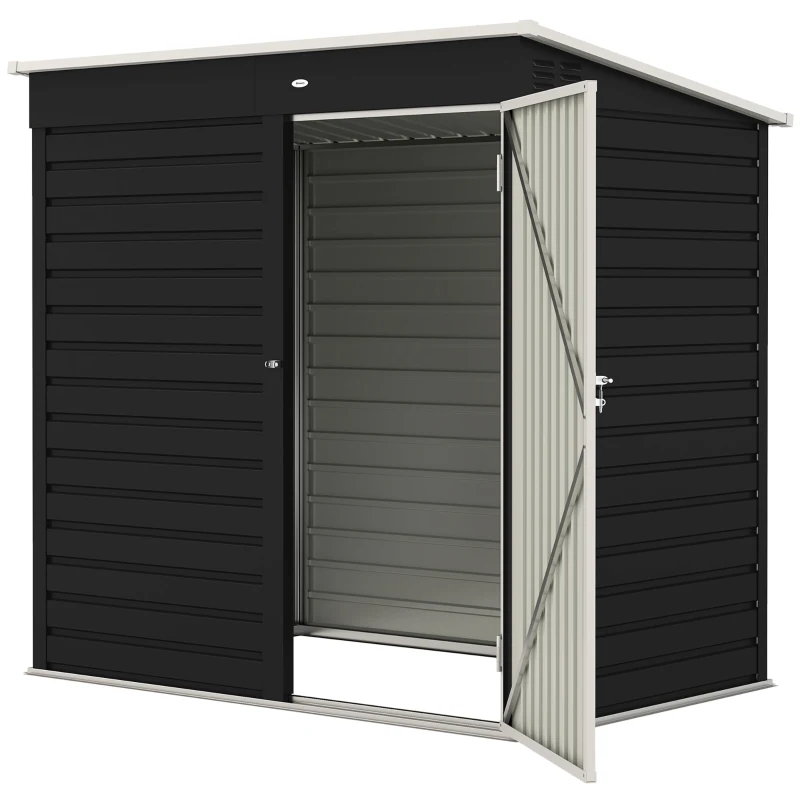
Outdoor stuff multiplies. Cushions, hose nozzles, citronella candles, the badminton set someone bought one summer. None of it can live inside without cluttering the house, and none of it survives winter on the patio uncovered. Outdoor storage is the fix, and it comes in two sizes: the deck box for everyday gear, and the shed for everything bigger.
What a Deck Box Actually Does
A deck box is a weather-resistant chest that lives on the patio or deck. Lift the lid, drop in the cushions when rain threatens, close it, done. The good ones double as a bench seat, which is why they usually sit against a wall or a railing. Capacity runs from about 30 gallons for a balcony box up to 150 gallons and more for a family patio. As a rule of thumb, cushions for a four-seat set need at least 100 gallons, and you will fill whatever is left over within a month.
Water-Resistant Is Not the Same as Watertight
Most deck boxes keep rain out from above and let air in from below, which is what you want. A truly sealed box traps condensation, and damp cushions in a sealed box grow mildew fast. Look for a lid with an overlapping lip, keep the box off bare soil, and let it breathe. Store fabric slightly loose rather than compressed, and everything comes out in spring smelling fine.
Pick the Material for Your Weather
- Resin and polypropylene. The default for a reason. Light, rot-proof, no rust, hose-cleanable. UV-stabilized resin shrugs off sun that fades cheaper plastic in two summers.
- Wood. Looks best on a nice deck and doubles as real furniture. Needs a re-oil or re-stain on a schedule, and hinges are the first thing to fail.
- Metal. Strongest and most secure, and the right call once you move up to shed sizes. Galvanized or powder-coated steel handles decades of weather.
When You Need a Shed Instead
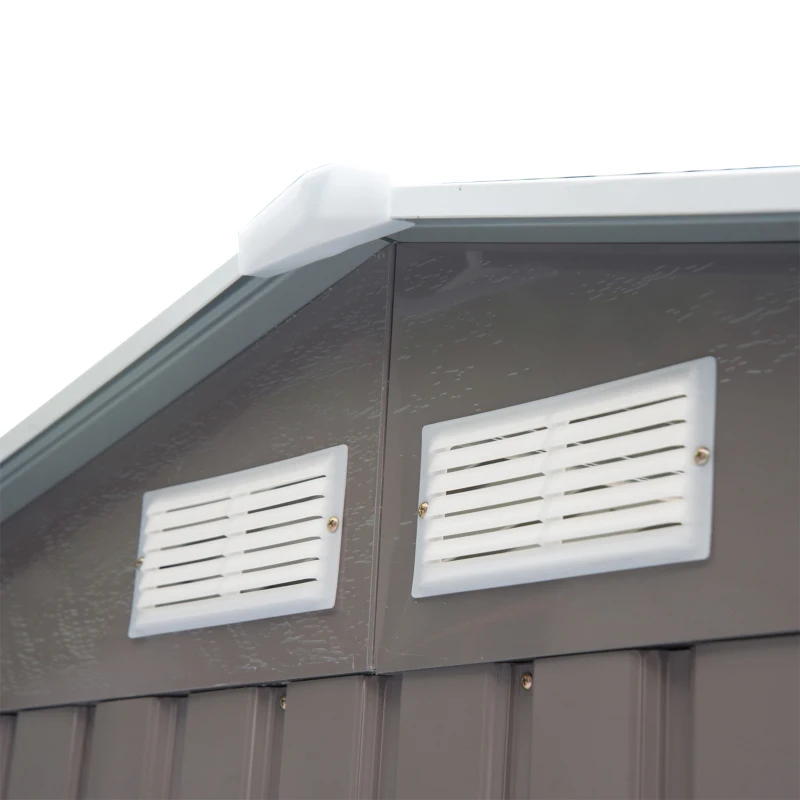
The deck box ceiling arrives quickly: a mower does not fit, long-handled tools do not fit, and eight bags of soil do not fit. A compact 6 by 4 foot metal garden shed swallows all of that in a footprint the size of a dining table, and a 7 by 4 foot shed adds room for bikes. Put the shed on pavers or a simple timber base, never straight on grass, and the floor stays dry year round. Browse the rest of the lineup in tool storage.
Placement Beats Capacity
Storage you have to walk to does not get used. The deck box belongs within a few steps of the seating it serves, and the shed belongs on the route you already take to the garden, not in the far corner because the corner looked empty. Leave the full lid-swing or door-swing clear. A box you cannot open all the way becomes a table with junk on it by August.
Small-Space Versions
A balcony gets a 30 to 50 gallon slim box that doubles as a seat for one. A townhouse patio gets a bench-height box under the window. Vertical cabinet-style units use the wall instead of the floor and hold tools, cushions, and a folded umbrella in a two-foot footprint. If your outdoor furniture folds, a vertical unit swallows the whole set for winter.
What Goes In, What Stays Out
In: cushions, covers, garden hand tools, hoses, toys, candles, planters, string lights in the off-season. Out: anything with fuel in it, propane tanks, and paint or chemicals that freeze. Fuel and propane want a ventilated shed, never a sealed box in the sun. And if the box holds anything worth stealing, add a simple hasp and padlock. Most resin lids accept one, and it turns casual temptation into too much work.