How to Keep Your House Cool Without Cranking the AC
July 10, 2026
Air conditioning is the expensive way to fix a problem that mostly walks in through the glass. Sunlight hits a window, passes through, and turns into heat that the AC then has to fight for the rest of the day. Stop the heat at the window and the whole battle gets smaller. None of what follows requires a contractor, and most of it pays for itself by August.
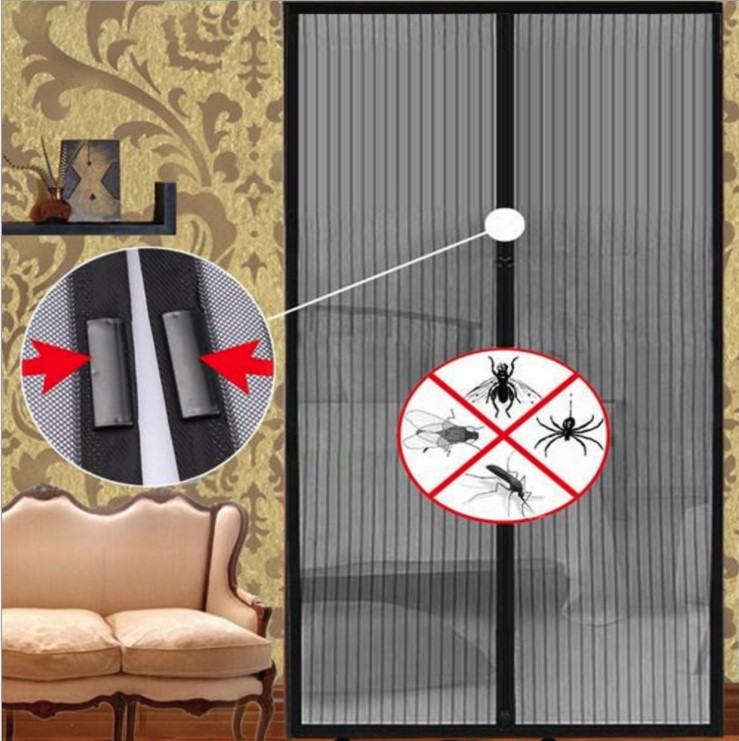
Close Up Before the Day Gets Hot
The single most effective habit costs nothing: close the windows and cover the sun-facing glass by mid-morning, before outdoor heat builds. Every hour a west or south window sits uncovered in direct sun, it works like a space heater aimed at your living room. The house starts the afternoon cooler, and everything else on this list works better from that baseline.
Cover the Sun-Facing Windows
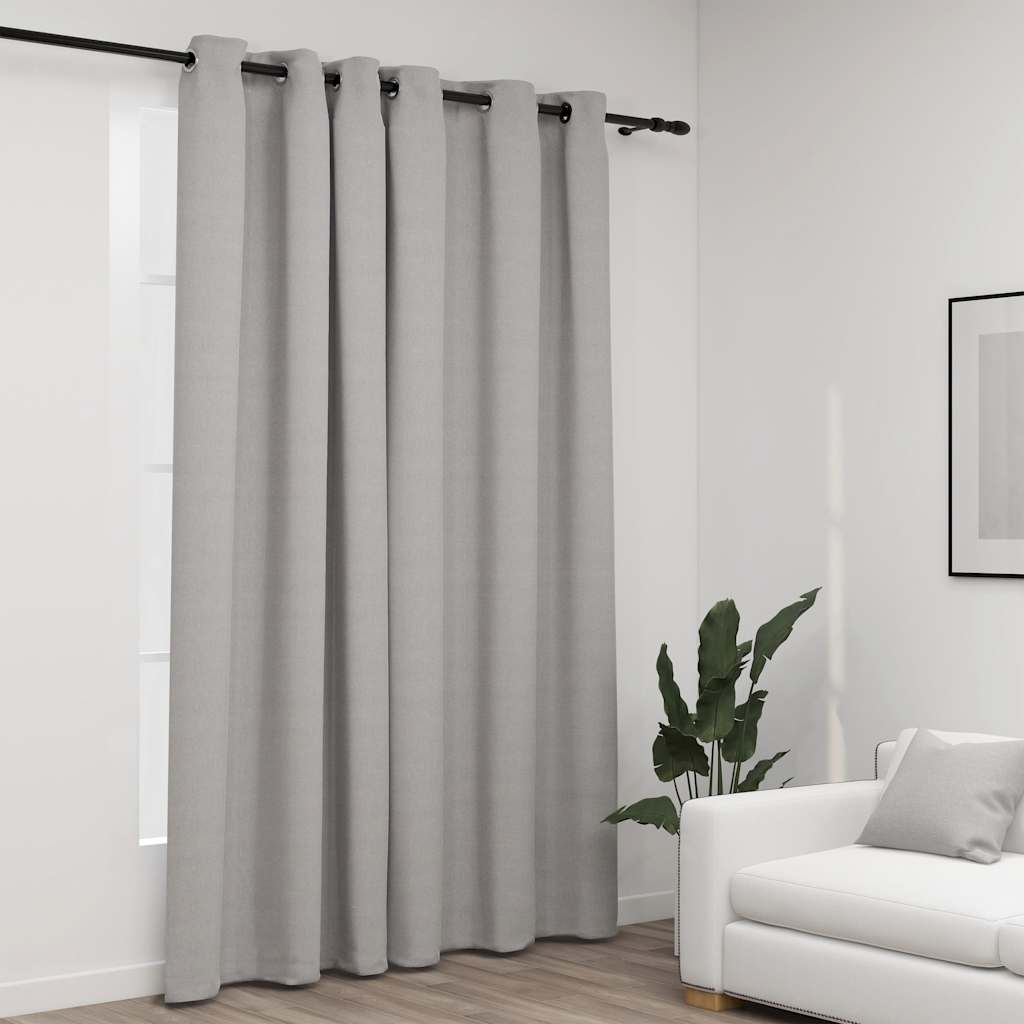
Fabric at the window intercepts sunlight before it becomes room heat. Blackout and thermal curtains do this best: the dense weave stops the light, and a thermal lining adds an insulating air pocket at the glass that works in both seasons. You don't need the room dark all day, only during its direct-sun hours. West rooms get covered from lunch onward, south rooms through midday, and everything can open up once the sun moves off.
Inside a window recess, a roller or zebra blind does the same interception with a smaller footprint, and a reflective or light-colored backing bounces heat back out instead of absorbing it.
Flush the House at Night
Evenings are when the free cooling arrives. Once outside air drops below inside air, open windows on opposite sides of the house so a path runs clear from one side to the other; a breeze needs an exit as much as an entrance. In a two-story house, open low on the cool side and high upstairs, and the stack effect pulls hot air up and out while cooler air feeds in below. A box fan pointed out an upstairs window turbocharges the whole exchange by shoving the day's hot air outside.
Screen the Doors So They Can Stay Open
Doorways move far more air than windows, and they're usually the first thing shut at dusk because of bugs. A magnetic screen door fixes that: mesh panels part when you walk through and the magnets snap shut behind you, so the biggest opening in the house can stay open all evening without a mosquito escort. Kids and dogs pass through on their own, which is the feature that keeps it from becoming another door you hold open. Put one on the doors that line up across the house and the cross-breeze runs until bedtime.
Keep Daylight Without the Greenhouse
Rooms that don't take direct sun can stay bright. Sheer curtains give daytime privacy and soften glare while letting light through, so the whole house doesn't turn into a cave just because the west side is buttoned up. Save the heavy coverage for the glass the sun actually hits, and let the shaded side of the house do the lighting.
Move the Heat Sources
The oven is a 400-degree box that dumps its heat into the kitchen. In a heat wave, dinner comes off the grill, the countertop appliances, or anything that doesn't preheat. Run the dishwasher and dryer after dark, when the house can shed their heat instead of storing it. Old incandescent bulbs give off most of their energy as heat, so summer is a fine excuse to finish switching to LED, and a TV or desktop running all day in a closed room adds up more than people expect.
Small Habits That Stack
Set ceiling fans to spin counterclockwise so they push air down onto skin; the room's temperature doesn't change, but you feel several degrees cooler, and a fan costs pennies a day next to compressor hours. Shut doors to rooms nobody uses so the cool air concentrates where people are. Together with covered glass and a nightly flush, these habits routinely hold a house comfortable through days the AC would otherwise run flat out, and the AC that does run has a much easier job.