How to Make Outdoor Furniture Last for Years
July 13, 2026
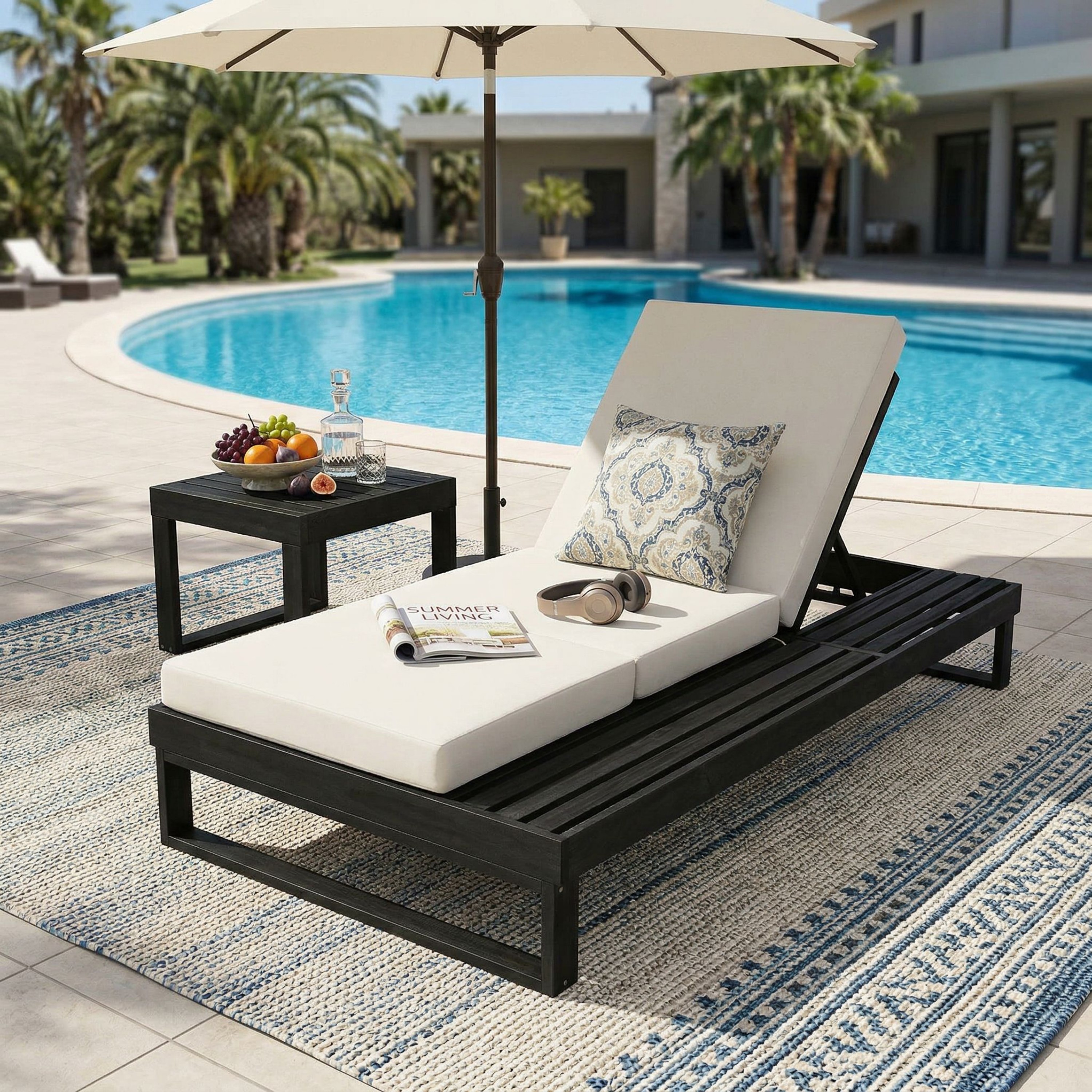
Outdoor furniture has two possible lifespans. Ignored, a wood lounger goes gray in a year, cushions flatten and spot with mildew, and hardware seizes into orange lumps by the third season. Maintained, the same pieces serve a decade. The maintenance in question is modest: an annual oiling, a habit about cushions, and one weekend of prep at each end of the season. That's the whole program.
Know What You Own
Care follows material, so start by identifying yours.
- Hardwoods (acacia, teak, eucalyptus): dense and naturally weather-resistant, but they lose surface oils to sun and rain and fade toward silver-gray. They want oil.
- Powder-coated steel and aluminum: nearly maintenance-free until the coating chips. Then the race against rust starts, and you want to win it early.
- Resin wicker and plastic: the easy tenants. Soap, water, and shade are all they ask; their enemy is UV, which turns cheap resin brittle over years.
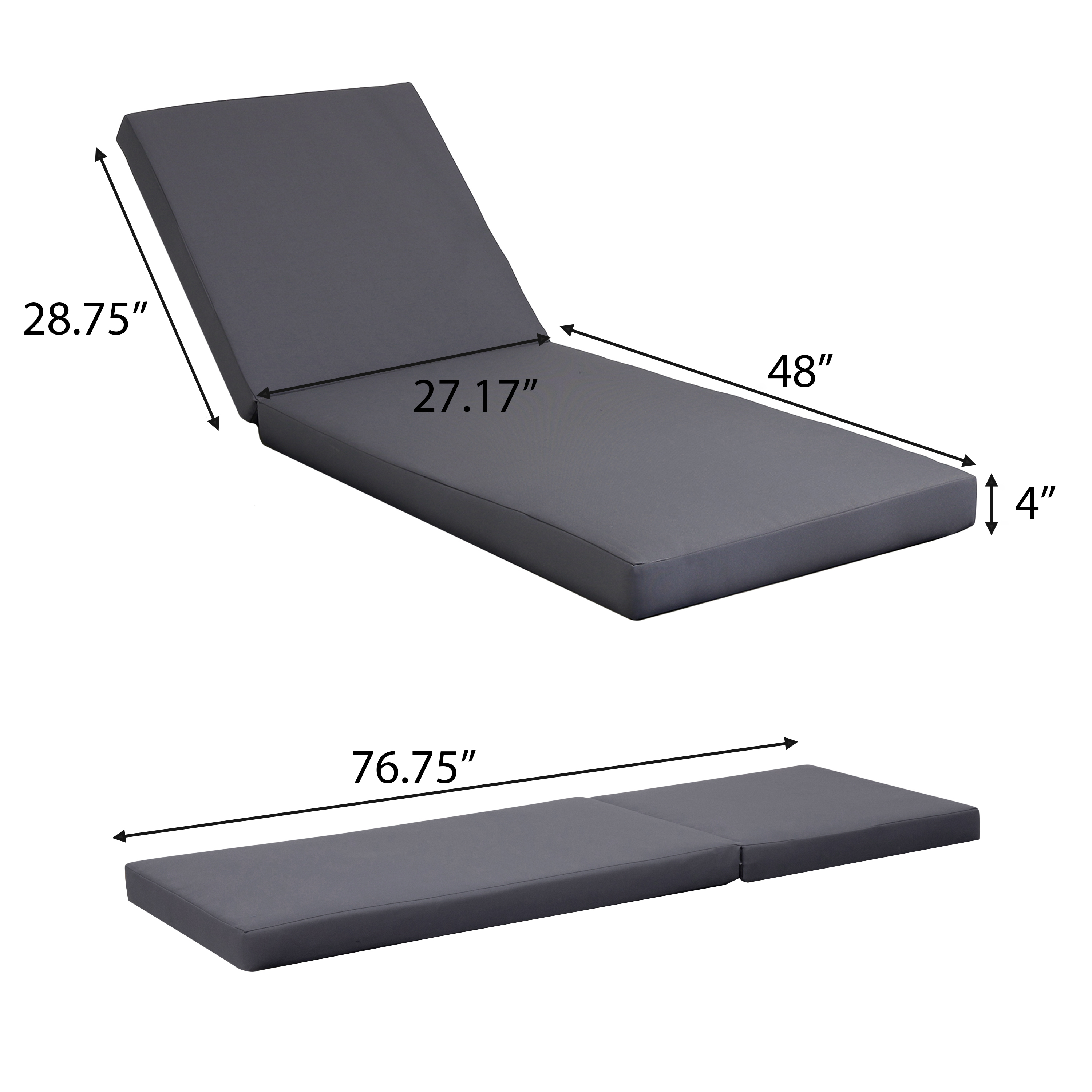
- Cushion fabric and foam: the shortest-lived part of any set, and the part your habits affect most.
Oil the Wood Once a Year
The silvering of an acacia lounger is sun and water stripping the oils out of the surface. The fix takes an hour per piece: clean with mild soapy water and a soft brush, let it dry fully, then wipe on teak or hardwood oil with a rag, working along the grain. The color deepens immediately and water beads on the surface again. Do it at the start of each season, and the test is simple: when rain stops beading and starts soaking in, the wood is due.
Keep the Cushions Out of the Rain
Fabric covers shrug off a shower; the foam inside doesn't. Once soaked, foam stays wet for days and mildews from the inside out, which is the smell no wash cycle fully removes. The habit that prevents it: cushions come in when rain is coming, ahead of the weather rather than after it. A deck box or a set of storage bags by the door makes it a ten-second job instead of an armload negotiation, and the same bags handle the winter layover. While you're at it, stand cushions on edge after heavy use so both faces air out.
Clean Twice a Season
Mild soap, warm water, a soft brush, a rinse. Do it when the furniture comes out and once mid-season, and you'll clear the pollen film, food splatter, and bird contributions before they bond permanently. Skip the pressure washer on wood, which tears up the grain and forces water deep into joints. Metal and resin can take more enthusiasm. Coastal households should rinse metal more often, since salt spray is the fastest corrosion accelerant there is.
Watch Where It Sits
Furniture feet standing in puddles rot and rust first, years before the rest of the piece. Set pieces where water drains, or put small pads under legs on a low spot of the patio. Partial shade is a quiet gift: a spot out of the brutal afternoon sun keeps cushion colors true and resin flexible seasons longer. Grass placement is the harshest of all, since every night's dew wicks straight up into the feet; a paver under each leg breaks the contact.
Have a Winter Plan
Best is indoor storage: shed, garage, basement, with cushions dry in their bags. Where that's out, covers do real work, with one caveat: they need airflow. A tarp wrapped tight traps condensation and grows mold all winter under there. Purpose-made covers with vents, or a cover left loose at the bottom, shed rain while letting the piece breathe. Stack chairs, stand things on end, get wood feet up off the ground, and spring-you inherits furniture instead of a restoration project.
The Ten-Minute Monthly Check
Once a month through the season, walk the patio with a screwdriver. Snug the bolts that loosen as wood swells and shrinks. Touch up coating chips on metal before rust gets under them. Rotate and flip cushions so sun fade spreads evenly instead of printing a permanent shadow of your throw pillow arrangement. Ten minutes, and it's the difference between furniture that ages and furniture that just gets older.