Night Lights That Help You Sleep Instead of Wrecking It
July 14, 2026
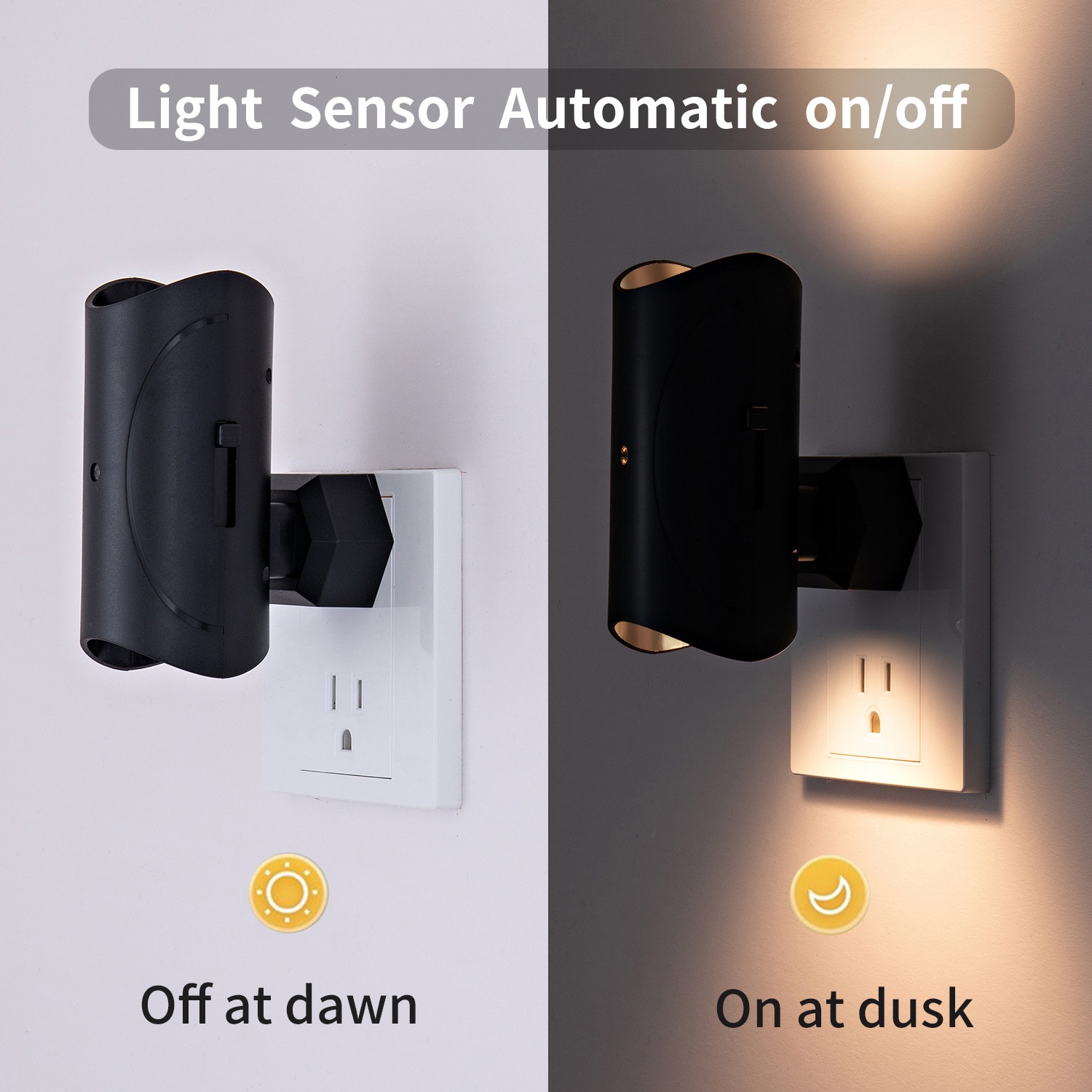
A night light has one job: get you to the bathroom and back without a stubbed toe or a fully rebooted brain. Most fail the second half. A bright cool-white plug-in floods the hallway with the same wavelengths as morning daylight, your body reads it as a sunrise, and the return trip to sleep takes an hour. The fix is knowing what actually matters in a night light, which turns out to be color and brightness, and almost never the shape it comes in.
Color Temperature Is the Whole Game
Your body's sleep clock takes its cues from light color. Blue-heavy light, the kind in daylight bulbs and phone screens, tells the brain it's daytime and shuts down melatonin production. Warm light on the amber-to-red end barely registers. So the first rule covers most of it: every light that comes on at night should be warm, 2700K or lower, with amber and red tones being even gentler. A dim amber light can guide you around the house at 3 a.m. and your brain files the trip under "still nighttime." The same trip under a cool-white light gets filed under "morning," and you pay for the clerical error in lost sleep.
Hallways and Bathrooms: Go Motion-Sensing
Light in an empty hallway helps nobody. A motion-sensing plug-in stays dark until someone actually walks by, lights the floor for a minute, and shuts itself off. Nothing burns all night, nothing glows under a bedroom door, and half-asleep humans never have to find a switch. The bathroom deserves the same treatment plus one warning: the vanity light is the great destroyer of midnight sleepiness. Full brightness at 3 a.m. is a hard reset. A warm night light in the bathroom means the main switch never gets touched, and you shuffle back to bed still 80 percent asleep, which is the goal.
Kids' Rooms
For a child who wants the dark held at bay, a night light is a legitimate tool, and a dim warm one has no downside worth worrying about. Steady beats spinning: a calm consistent glow settles a kid, while projection and color-cycling lights are entertainment and belong to the hour before lights-out rather than sleep itself. Place it low, near the floor and away from the bed's line of sight, so it washes the room in faint warmth without a bright point for eyes to lock onto. Shaped and character lights are fine as long as they pass the same two tests as everything else: dim, and warm.
At the Bedside
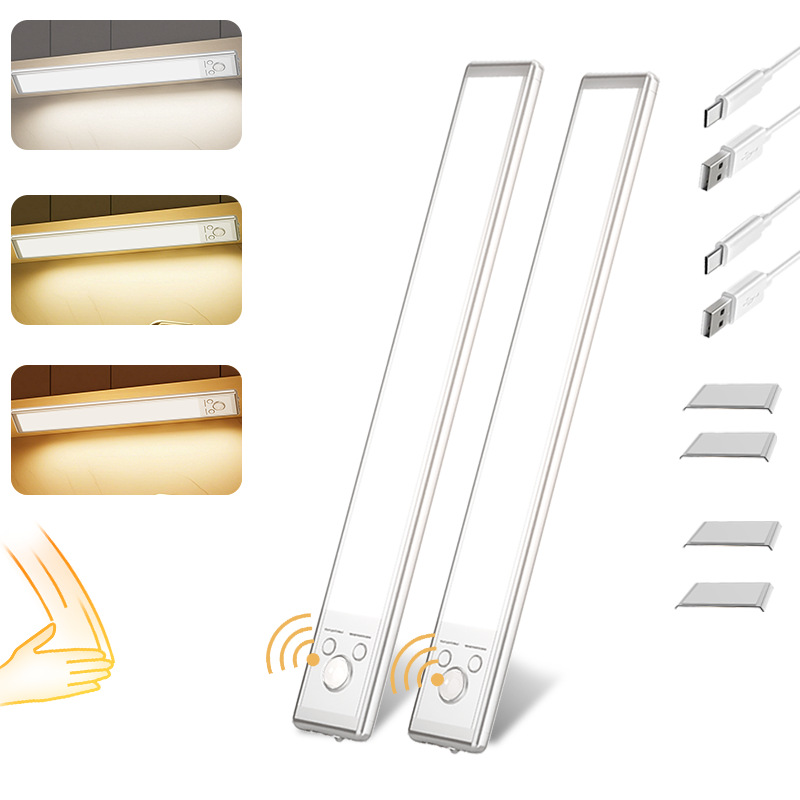
The bedside light's job is reading and the occasional midnight need, and the mistake is using one light for both at one brightness. A rechargeable dimmable lamp covers it: bright-ish for the book, lowest setting for everything after. Get in the habit of stepping the lamp down as bedtime approaches, since a dim room for the last half hour before sleep does more good than any gadget. Several bedside lamps in the collection offer multiple color temperatures; set them warm and leave them there. For a lamp-free option, a strand of warm fairy lights in a glass jar makes a shockingly good wind-down light.
Placement: Low and Indirect
Height matters almost as much as color. Light near the floor guides feet, which is the entire assignment, while light at eye level shines into dark-adapted pupils. Plug into low outlets, aim any directional light at the wall or floor so the room gets a bounce instead of a beam, and never position a light where it's visible from the pillow. In bedrooms, watch for the sneaky sources too: router LEDs, chargers, and standby dots add up to a surprising glow, and a bit of electrical tape over them costs nothing. A dimmable wall lamp in the hall beats a bare ceiling fixture for the same indirect reason.
How Bright Is Too Bright
Under 10 lumens does the job almost everywhere, and dark-adapted eyes need less than people expect. The test worth running: stand in the hallway a few minutes after lights-out, once your eyes have adjusted, and walk it. If you can navigate safely and the house still feels asleep, the light is right. If the hallway feels lit, step down. The best night lighting in a house is the kind nobody can describe the next morning, because it never woke anyone up enough to notice.