Blinds vs Curtains: Which to Pick, Room by Room
July 11, 2026
The blinds-or-curtains question gets treated like a style debate, but style is the least of it. The two solve different problems. Blinds control light with precision and shrug off moisture. Curtains insulate, soften a room, and scale up to huge windows without costing a fortune. Pick per room, and the answer is different in the bathroom than it is beside your bed.
Light Control
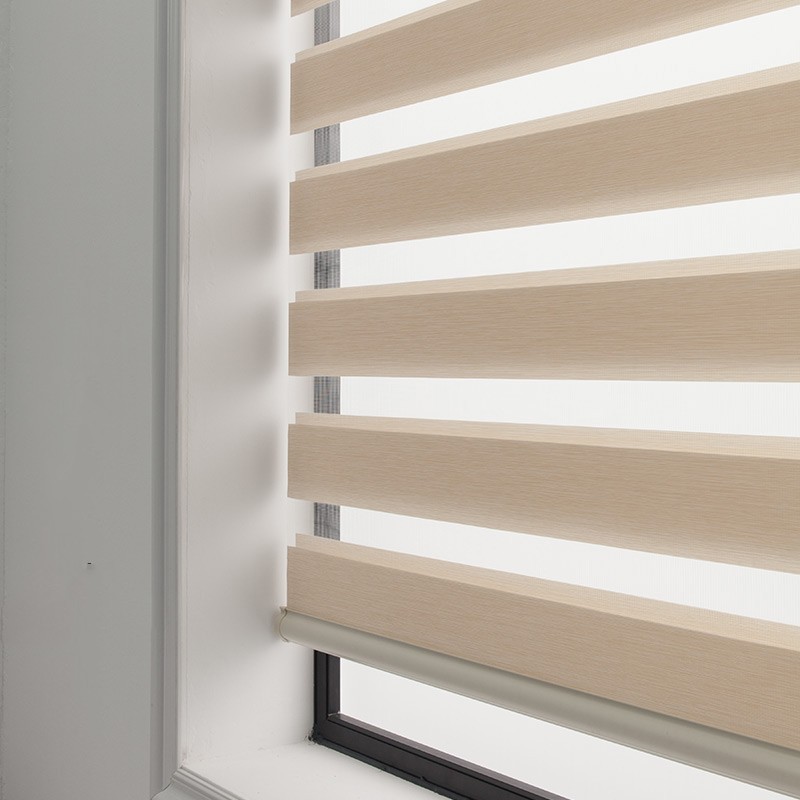
Blinds win on precision. A tilt of the slats or a half-raise of a zebra blind gives you exactly the amount of light you want while keeping the view or the privacy, and that fine control is why blinds dominate home offices and street-facing windows. Curtains are binary: open or closed, with sheers as the in-between layer.
Total darkness flips the result. Even a blackout-fabric blind leaks light around its edges and through the slat gaps, while a properly hung pair of blackout curtains, mounted wide and high with generous overlap, gets a bedroom genuinely dark. Shift workers and light-sensitive sleepers end up with both: blackout blind inside the recess, blackout curtains over it.
Insulation
Curtains, clearly. A lined curtain traps a blanket of still air against the glass and seals along the sides and bottom, cutting heat loss in winter and heat gain in summer. Thermal-lined panels do this best. Blinds sit inside the frame with air gaps on every edge, and warmth pours through those gaps. If a room is cold in January or bakes in July, curtains are the fix, and the heavier the better.
Moisture, Steam, and Cooking
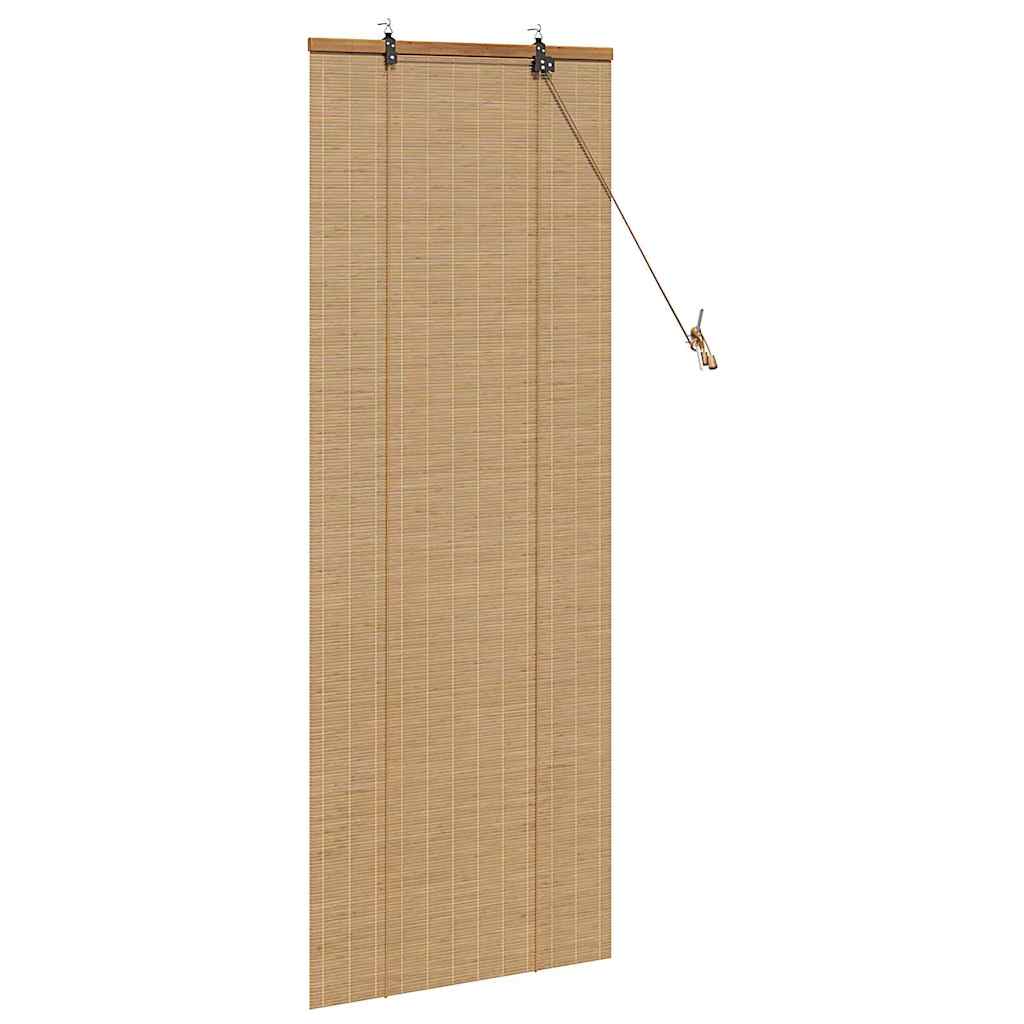
Bathrooms and kitchens punish fabric. Curtains soak up steam, hold cooking smells, and dry slowly enough to mildew in a room without great airflow. A wipeable blind in faux wood, bamboo, or coated polyester takes a sponge and moves on. If you want fabric softness in a kitchen anyway, keep it to a short cafe curtain on the sink window, well away from the stove, and wash it on a schedule.
Space and Fit
Blinds live inside the window recess and take up zero wall. That makes them the answer for windows with no stacking room: a window hard against a corner, behind a kitchen faucet, or on a door. Curtains need wall space on both sides for the open panels to stack, plus a rod extending past the frame. What curtains give back is scale: two big panels cover a sliding door or a wall of glass for less than a run of made-to-measure blinds, and the same panels move to your next home while blinds stay cut to one window.
Layering Both
The combination beats either alone in the rooms you care most about. Blind inside the recess for daily light control; curtain panels outside for insulation, darkness, and the finished look that a bare blind never quite manages. A sheer-plus-blackout double rod does the same job in fabric only. This costs the most, so spend it where you sleep and where you host, and let the utility rooms take a plain roller blind.
Room by Room
- Bedroom: blackout curtains, or blind-plus-curtain if streetlight sneaks past panels alone. Darkness pays for itself in sleep.
- Living room: curtains for warmth and scale, sheers underneath if privacy matters in daylight.
- Bathroom: a wipeable blind, full stop.
- Kitchen: blind or a short cafe curtain away from the burners.
- Home office: a zebra or slatted blind for glare control across the workday.
- Doors and tight corners: blinds mounted to the frame, since panels have nowhere to stack.
Measure the recess depth before ordering blinds, and grab the rod and rings from curtain hardware when the answer is fabric. Either way, decide by room, and the whole house ends up with the right thing on every window.