How High to Hang Pendant Lights
July 10, 2026
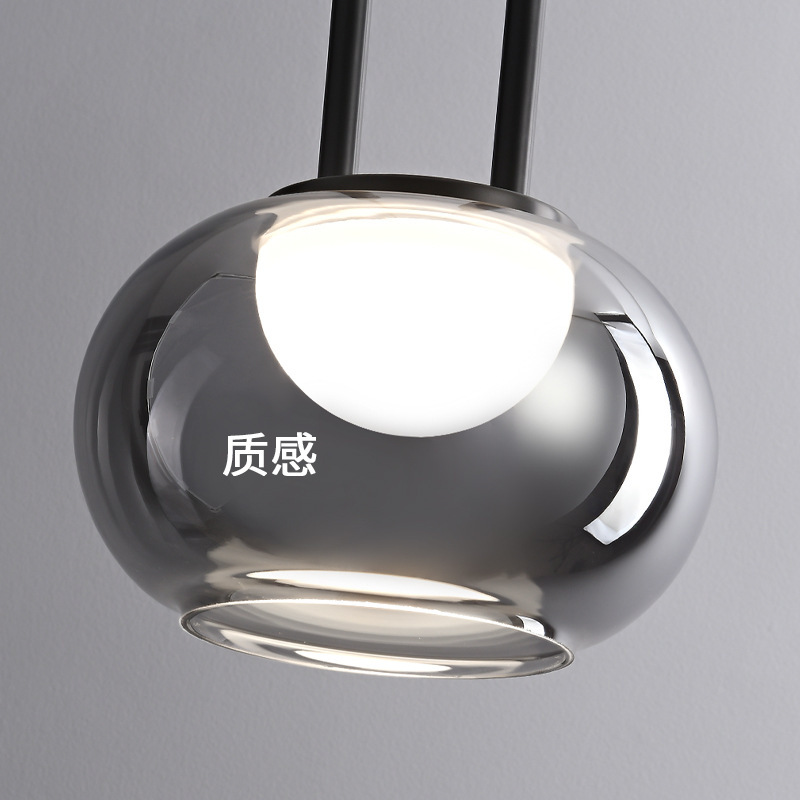
Pendant lights ship with six feet of cord and no opinion about where to stop. Hang one too high and it becomes a glare bulb that lights the ceiling. Too low and it blocks faces across the table, or meets a forehead at the kitchen island. The good news: for every situation there's a tested number, and once you know it, installation is just measuring.
Over a Dining Table
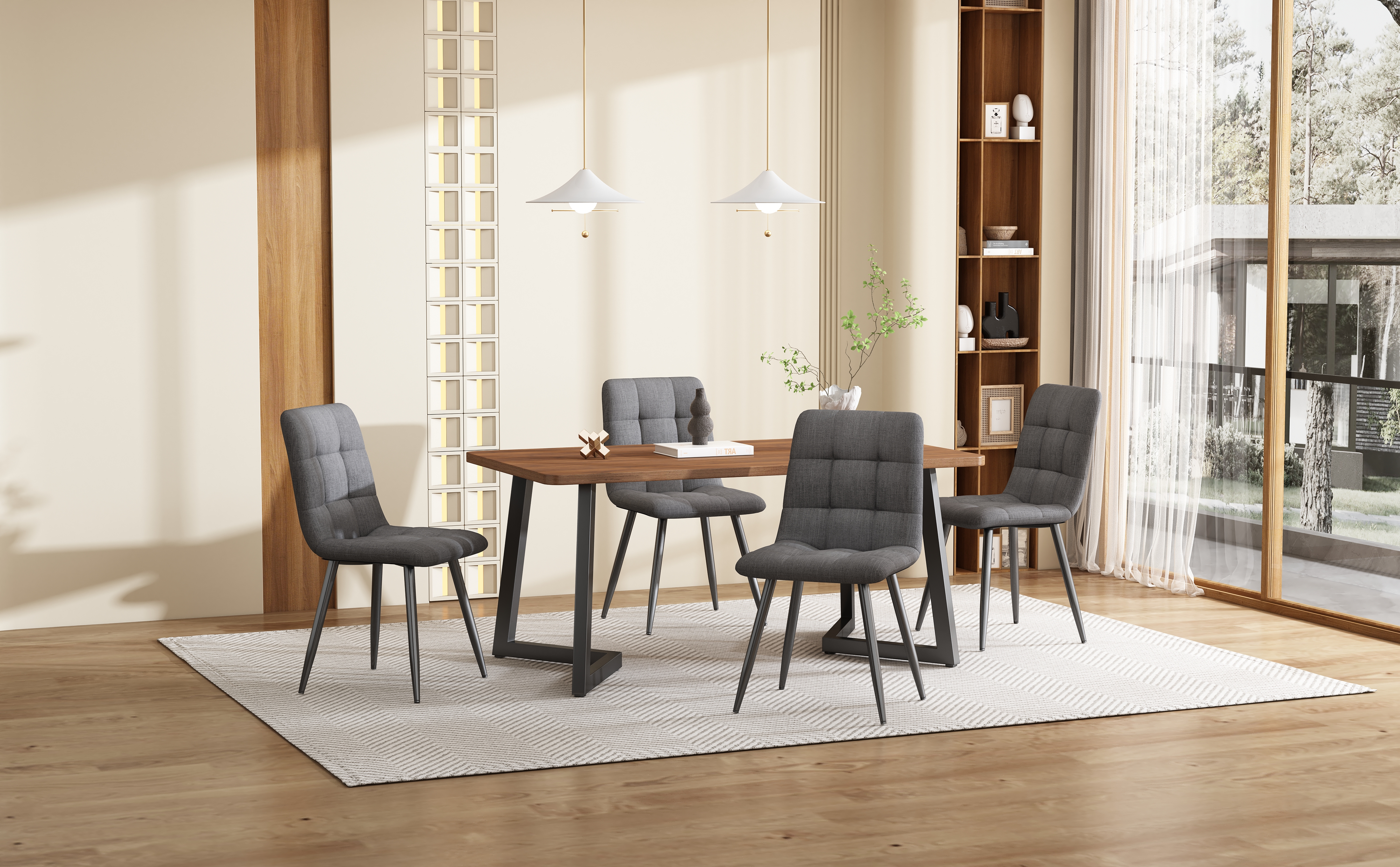
Hang the bottom of the fixture 30 to 36 inches above the tabletop with an 8-foot ceiling. At that height the light pools on the table, faces stay lit and visible, and nobody's view across the table is blocked. Go toward 30 inches for an intimate, low-glow look with a shaded fixture; go toward 36 if the bulb is exposed and sits near eye level.
Center the fixture on the table, which matters more than centering it in the room. A table pushed toward one wall with a pendant floating in the room's center looks off every single day. If the ceiling box lands in the wrong spot, a swag hook redirects the cord for a few dollars and zero rewiring.
Over a Kitchen Island
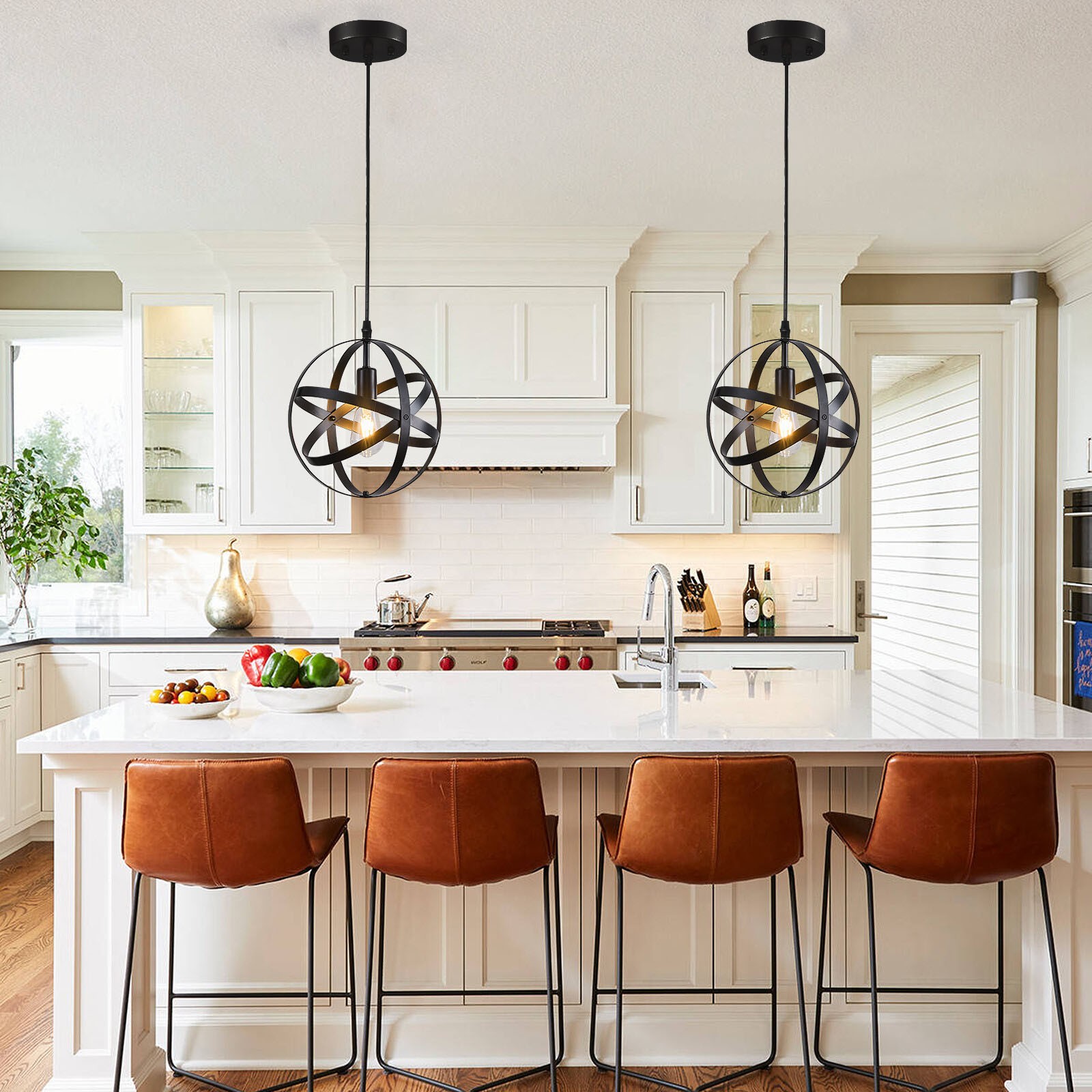
Same number, different reference: 30 to 36 inches from the countertop to the bottom of the shade. Counters sit 36 inches high, so the fixture bottom ends up 66 to 72 inches off the floor. You can see the far side of the kitchen over it, and the work surface below gets direct task light. Islands earn brighter bulbs than dining tables; this is where knives and hot pans live, so aim for strong light at the surface and add a dimmer for the evening hours.
Spacing a Row of Pendants
Multiple pendants over an island follow two rules. Divide the island length by the number of pendants and center one in each segment: a 72-inch island with two fixtures gets them 18 inches from each end; with three, one in the middle and the others 12 inches from the ends. And keep air between the shades, at least 30 inches center to center for regular shades, or a minimum of 6 inches of gap between shade edges for wide ones. Odd numbers usually look better than even, but matching the count to the island length beats any styling rule.
Hallways, Entries, and Open Corners
Anywhere people walk under the fixture, keep the bottom at least 84 inches off the floor. In a foyer with a window above the door, hang the pendant so it's visible through the glass without blocking it. Open stairwells take a long-drop pendant beautifully, but measure from the nose of the stairs, since that's where a head passes closest. In these open spaces, ceiling height does change the math: with 9 or 10-foot ceilings, let the fixture drop about 3 inches lower per extra foot so it doesn't hover awkwardly near the ceiling like a flush-mount light pretending to be a pendant.
Getting the Size Right
Height gets a fixture into position, diameter makes it look deliberate. Over a table, a single fixture should measure one half to two thirds of the table's width: an 18 to 24-inch pendant or small chandelier over a 36-inch-wide table. Island rows work with smaller 8 to 12-inch shades repeated down the line. For an entry or open corner, add the room's length and width in feet; the total, read as inches, is a sensible fixture diameter. A 10 x 12 entry wants something around 22 inches across.
Cords, Chains, and Adjustability
Buy adjustable when you can. Fixtures with an adjustable cord, like several in the pendant collection, let you fine-tune after living with the light for a week, which beats committing at the top of a ladder. Cutting a cord short is permanent; coiling excess inside the canopy is not. Rule of thumb for what hangs where: low fixtures belong over furniture, where the table or island guards the space underneath. Anything hanging over open floor obeys the 84-inch rule.
Bulbs and Dimmers
Warm white, 2700 to 3000K, suits pendants in living spaces; cooler temperatures read as workshop light at dinner. If the bulb is visible below or through the shade, frosted glass kills the glare that clear bulbs throw at seated eye level. And a dimmer earns its ten dollars over a dining table more than anywhere else in the house: full brightness for homework, low for dinner, no compromise fixture height required.