Shower Curtain Sizes: How to Measure for the Right Fit
July 8, 2026

A shower curtain that fits looks intentional and keeps the water where it belongs. One that doesn't leaves gaps at the edges, drags on the floor collecting grime, or stops short and lets every shower splash the bathmat. Sizing one correctly takes about two minutes with a tape measure, and it starts with the rod rather than the curtain.
The Standard Sizes
Shower curtains come in a handful of standard dimensions, listed width by length:
- 72 x 72 inches: the standard, sized for the common 60-inch tub alcove. If you have an ordinary tub with a straight rod, this is almost always the answer.
- 54 x 78 inches: the stall size, narrower and longer, made for standalone shower stalls with a taller rod.
- 72 x 84 or 72 x 96 inches: extra-long, for rods mounted high or ceiling-height installations that make a bathroom look taller.
- 108 x 72 inches and up: extra-wide, for clawfoot tubs and wraparound rods where the curtain has to travel around three sides.
Measure the Width
Measure the length of your rod, or the span the curtain has to cover. Then add roughly 12 inches. A curtain needs more width than the opening so it hangs with gentle ripples; a curtain pulled taut looks wrong, and worse, water tracks along a flat curtain and finds the edges. For a standard 60-inch alcove, that math lands you exactly at the 72-inch standard. A clawfoot tub is the exception: measure around the full exposed perimeter and add a foot, which usually means one extra-wide curtain or two standard ones.
Measure the Height
Height is set by where the rod hangs, so decide that first. The goal over a tub: the hem should fall 3 to 5 inches below the tub rim. Lower than that and the fabric wicks up standing water; higher and you get splash gaps. With a standard 72-inch curtain, plus about 2 inches of rings, mounting the rod 75 to 77 inches from the floor puts the hem right where it belongs.
Want the tall, hotel look? Mount the rod near the ceiling and buy an 84 or 96-inch curtain. Raising the rod draws the eye up and makes a small bathroom read bigger, the same trick that works with window curtains. Measure from your intended rod height down to a few inches below the tub rim, and buy the length that covers it.
Liner Rules
The liner does the waterproofing so the curtain can do the looks. The liner hangs inside the tub, the curtain outside, and both share the same hooks. Buy the liner in the same width as the curtain and the same length or slightly shorter, so it never peeks below the decorative hem. Weighted hems and magnets help the liner stay put against the tub instead of blowing inward while you shower. A clear PEVA liner is cheap enough to replace outright when it gets grimy, while a fabric liner can go through the wash.
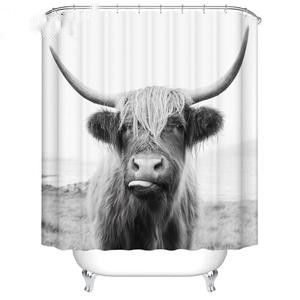
Some curtains, like the waterproof printed ones in the shower curtain collection, skip the liner entirely. Hang those alone, inside the tub.
Stall Showers and Walk-Ins
Measure the opening width and add 12 inches, same rule as above. Stall openings are usually 36 to 48 inches, which is why the 54-inch stall curtain exists. Stalls also tend to have higher rods, hence the 78-inch length. For a doorless walk-in where the curtain is the only barrier, go floor length but keep the hem about half an inch off the tile so it can dry.
Rings, Hooks, and the Rod
Standard curtains and liners have 12 holes, so any 12-pack of hooks fits. Roller-ball hooks glide better on cheap rods than plain metal rings. If you're using a tension rod, check its weight rating before adding a heavy fabric curtain plus liner; a sagging tension rod is the most common cause of a curtain that suddenly sits too low. Curved rods add elbow room inside the shower and take a couple of extra inches of curtain width to cover the arc, so size up if your 72-inch curtain barely closed on a straight rod.
Fabric or Plastic
Fabric curtains hang with more weight, look better, and go in the washing machine. Pair one with a cheap liner and replace the liner as needed. Waterproof PEVA and polyester curtains handle the whole job alone and just need a rinse-down now and then. Either way, the fit rules are the same: width of the span plus 12, hem a few inches below the rim, liner inside the tub. Get those three right and the curtain looks built in.