How to Hang a Tapestry: 6 Ways for Any Wall
July 7, 2026
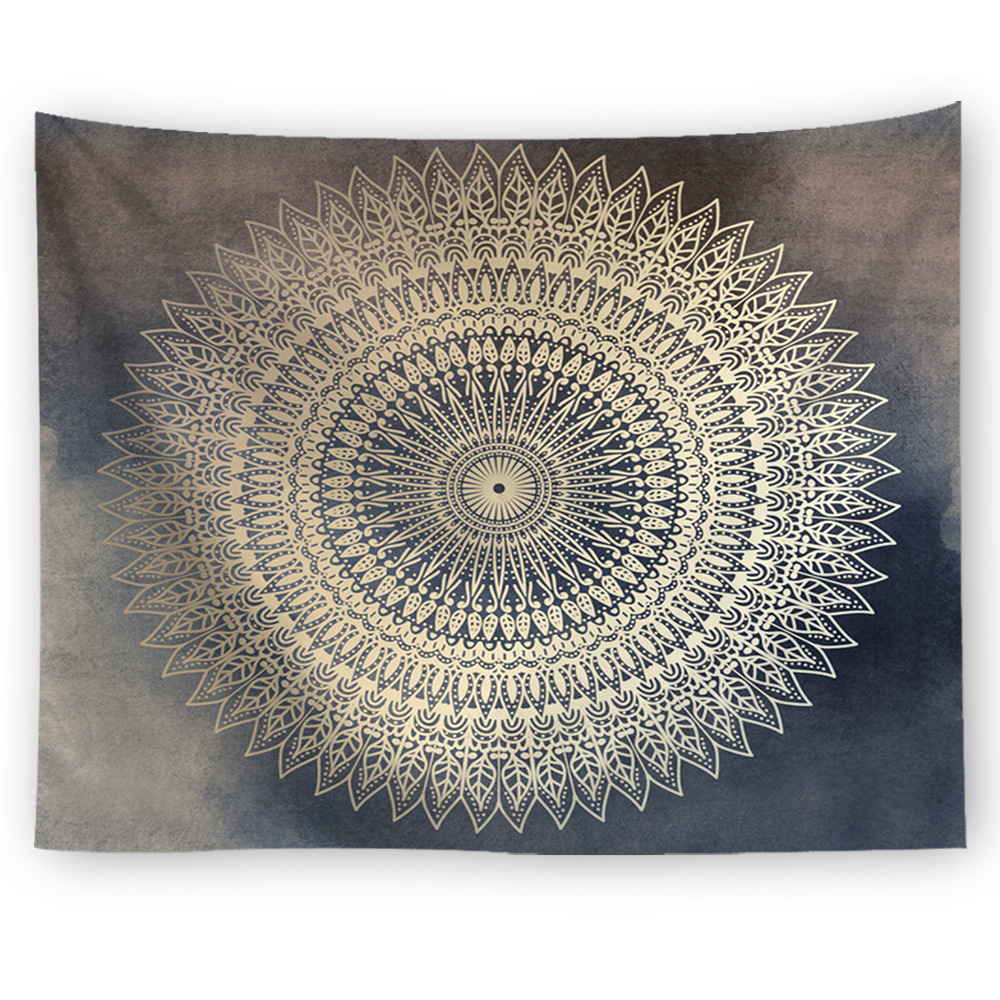
A tapestry solves the biggest problem in decorating: the huge blank wall that would cost a fortune to fill with framed art. One piece of woven fabric covers 30 square feet for less than the price of a single print and frame. The catch is that fabric hangs differently than a frame does. It sags, it ripples, and the right hanging method depends on the weight of the piece, what its top edge looks like, and whether your lease allows holes in the wall.

First, Look at the Top Edge
Flip the tapestry over and check how the top is finished. A sewn channel along the top is a rod pocket, and it makes your decision easy. Fabric loops or tabs serve the same purpose. A plain hemmed edge means you'll be clipping, pinning, or sticking something to the back. Heavier woven pieces, the brushed and plush kind, want more support than a printed polyester sheet, so weigh the piece in your hands before picking a method.
Method 1: A Rod Through the Pocket
If there's a pocket, use it. Slide a curtain rod or a wooden dowel through the channel and set it on two wall brackets, exactly like hanging curtains. The fabric hangs straight, the hardware disappears behind the top edge, and taking the tapestry down to wash it takes ten seconds. Any basic rod from the curtain hardware section works; pick one slightly narrower than the tapestry so the ends don't poke out. This is the best-looking method for medium and large pieces, and the one to choose if you own your walls.
Method 2: Clip Rings on a Rod
No pocket? Clip rings solve it. These are the same rings used for cafe curtains: small clamps that hang from a rod and bite onto the top edge of the fabric. Space a clip every 6 to 8 inches so the edge doesn't scallop between them. Clips also let you adjust the height slightly by how much fabric you fold over, and they leave no marks, so this is a good method for a tapestry you might rotate seasonally or move between rooms.
Method 3: Velcro on a Batten
This is how museums hang textiles, and it produces the flattest result of any method here. Sew or fabric-glue the soft loop side of a velcro strip across the back of the tapestry's top edge. Staple the hook side to a strip of wood, a 1x2 cut just short of the tapestry's width, and screw the wood to the wall. Press the tapestry onto it. The fabric hangs dead flat with no ripples, the weight is spread across the entire width, and you can pull the piece off for cleaning without touching the hardware. Use this for heavy pieces, anything valuable, or a wall where you want zero sag.
Method 4: Adhesive Hooks and a Rod
The renter's method. Stick three or four adhesive hooks in a level line, rest a lightweight rod or dowel across them, and hang the tapestry from the rod by its pocket or clips. Clean the wall with rubbing alcohol before sticking the hooks, press each one firmly for 30 seconds, and give the adhesive an hour to cure before loading it. Check the weight rating on the package and stay under it with room to spare. When you move out, the hooks pull away clean.
Method 5: Nails, Tacks, or Push Pins
The five-minute version. Drive a small nail or push pin through each top corner and one in the middle, ideally through the hem rather than the open weave, where a hole is less visible and less likely to run. This works fine for light printed fabric. Heavy woven pieces will sag between pins within a few weeks, so give those a rod or a batten instead. If you like the draped, relaxed look, pinning is the only method that lets the fabric swag between anchor points on purpose.
Method 6: Stretch It Like a Canvas
For a smaller tapestry you want to treat as art, staple it around a wooden stretcher frame or a sheet of plywood cut a bit smaller than the fabric. Pull it taut as you staple, working from the center of each side out toward the corners. The result hangs like a painting, holds perfectly flat forever, and looks sharp in a grouping with framed pieces from the wall art section. You lose the soft, fabric character, so save this for graphic prints where crispness helps.
Getting It Flat and Straight
Every tapestry comes out of the package with fold creases. Hang it first, then steam it from the back on low, holding the steamer just off the fabric. A few hot showers with the tapestry hanging in the bathroom does the same job slower. If the bottom edge curls or waves, add weight: a second dowel slipped through a bottom pocket if there is one, or small curtain weights sewn into the corners of the hem.
Where and How High
Center the tapestry at 57 to 60 inches from the floor, the standard eye-height rule. Over a bed or sofa, leave 8 to 10 inches of wall between the furniture and the fabric. A large tapestry behind the bed can stand in for a headboard entirely. And because fabric is light, a tapestry can go places framed art can't: rented walls, sloped ceilings, even hung from a ceiling track as a soft room divider. Pick the method that matches your wall, and the biggest surface in the room stops being the emptiest one.