How to Measure for Blinds: Inside vs Outside Mount
July 19, 2026
A curtain an inch too wide hangs exactly like one cut perfectly. A blind an inch too wide does not fit in the recess at all, and an inch too narrow shows a bright stripe of daylight down each side for the rest of its life. Blinds are cut to your numbers, so the ten minutes with a tape measure decide everything. Here is how to get numbers you can order from with confidence.
Decide the Mount First
Everything depends on whether the blind lives inside the window recess or on the wall above it, so settle that before touching the tape.
Inside mount sits within the recess, looks built in, and leaves the sill usable. It needs depth: about 2 inches of flat mounting surface for most blinds, and 3 to 4 inches if you want the blind fully flush with the wall. Outside mount fixes to the wall or frame above the opening and hangs over it. It hides an ugly frame, makes a small window read larger, and blocks more light because the fabric overlaps the opening on every side. Shallow recess, tile, or an obstruction in the way all point to an outside mount.
Inside Mount: Width and Drop
Windows are never as square as they look, so measure everything three times in three places. Width across the top, the middle, and the bottom of the recess: keep the narrowest number. Drop from the top of the recess to the sill on the left, the center, and the right: keep the longest. Record everything to the nearest millimeter or sixteenth of an inch, and write the width first, since that is the convention order blinds are made to.
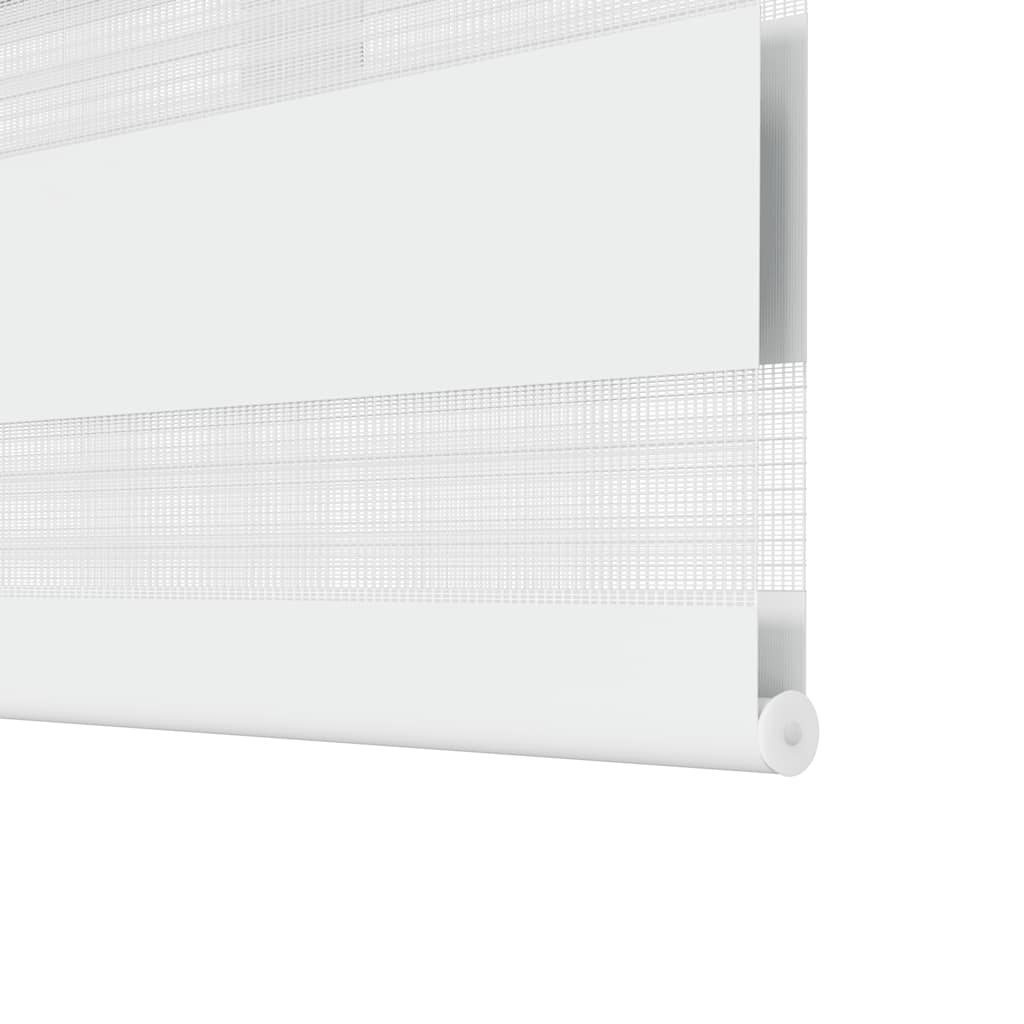
Give exact recess sizes when you order. The manufacturer shaves off the operating clearance, and made-to-order products like the zebra rollers in the collection state this in their sizing notes. The blind that results drops cleanly, covers the glass, and clears the sides without scraping paint.
Outside Mount: Add the Overlap
Measure the visible opening, then grow it. Add 3 to 4 inches on each side so the blind overlaps the wall and seals the light path, and add 3 inches above the opening for the bracket and roll. Then decide the bottom: end at the sill for a tidy look, or run 2 to 3 inches past it for maximum darkness. For a bedroom where mornings matter, generous overlap does more for darkness than upgrading the fabric; the same logic as hanging blackout curtains wide of the frame.
Walk the Window for Obstructions
Before ordering, open and close everything. Window handles, crank arms, and tilt-and-turn mechanisms sweep through space the blind wants to occupy; measure recess depth to the most protruding point, never to the glass. Look for trickle vents at the top of the frame, alarm sensors, and deep sills that a long drop will pile onto. Tilt-and-turn windows usually force either an outside mount or a blind fixed to the sash itself so the window can still swing.
The No-Drill Route
Renters get two good options. Tension-fit pleated blinds brace inside the recess with a spring, no screws anywhere, and come down in seconds when the lease ends. Self-adhesive pleated shades stick straight to the frame of PVC and aluminum windows and peel off clean. Both live in the blinds collection, and the same measuring rules apply: three-point measurement, narrowest width, longest drop.
The Mistakes That Ruin the Order
- Measuring the old blind instead of the window. The old one may have been wrong for years.
- One measurement per dimension. Recesses taper; the three-point rule exists because a quarter inch of taper is normal.
- A fabric tape measure. They stretch and sag. Use a steel tape.
- Mixing units. Pick centimeters or inches at the start and never switch mid-window.
- Forgetting who deducts. Exact recess size, maker takes clearance. Read the product notes once more before checkout.
Ten careful minutes, one window at a time, and label each set of numbers with the room name. If the measuring convinces you the window would rather have fabric after all, our blinds vs curtains guide and curtain measuring guide take it from there.