How to Wash Curtains Without Wrecking Them
July 21, 2026

Curtains hang in the path of every open window, which makes them the house's dust filters, and nobody washes a filter they never think about. The good news is that most panels take a machine wash without complaint. The wrecked ones almost always died the same way: hot water on cotton, a tumble dryer on a blackout coating, or a delicate sheer left to fight a full load of towels. Sort your curtains by type and each one has a simple routine.
Read the Label, Then Believe It
The care tag on the side hem outranks everything below. A crossed-out washtub means dry clean, and the label is serious about it; linings, interlinings, and glued header tapes come apart in water even when the face fabric would cope. When the tag is missing, judge by fabric: plain polyester and cotton are machine candidates, anything coated, lined, or expensive gets the cautious treatment.
The Default: Cold, Gentle, Alone
For ordinary polyester and cotton panels from the curtain collection, the routine is cold water, gentle cycle, mild detergent, and the curtains as the only thing in the drum. Cold water keeps cotton from shrinking and colors from bleeding. A pair of standard panels fills a machine about halfway, which is right; cramming four panels in means they grind against each other and come out creased. Wash matched pairs together every time, so if the color drifts a shade over the years, it drifts in step.
Blackout and Thermal Panels
The light-blocking layer on most blackout and thermal curtains is a coating bonded to the back of the fabric, and the coating is what you are protecting. Cold water and the gentle cycle, same as above, but with two hard rules: never wring or twist them, and never put them in a dryer, where heat peels the coating off in sheets. Press water out gently between towels if they come out soaked, then hang them. Foam-backed panels are more fragile still; spot clean those with a damp cloth and mild soap, and leave full immersion to a dry cleaner.
Sheers and Lace
Sheers weigh nothing and snag on everything, so give them a mesh laundry bag, cold water, the hand-wash or delicate cycle, and little to no spin. They come out barely damp and go straight back on the rod, where they dry in an hour and hang wrinkle-free without ironing. Vintage lace and anything with crochet trim, like a few pieces in the sheer collection, prefer an actual hand wash in the tub with a squeeze, never a twist.
Velvet and the Heavyweights
Thick velvet drapes and anything interlined are the one category where the machine is usually the wrong tool. Crushed pile does not recover. Between proper cleanings, maintain them in place: vacuum with the brush attachment monthly, top to bottom, and freshen them with a garment steamer held a few inches off the pile. When they genuinely need cleaning, that dry-clean bill is cheaper than replacing a pair of heavy panels.
Hardware Off, Grommets Stay
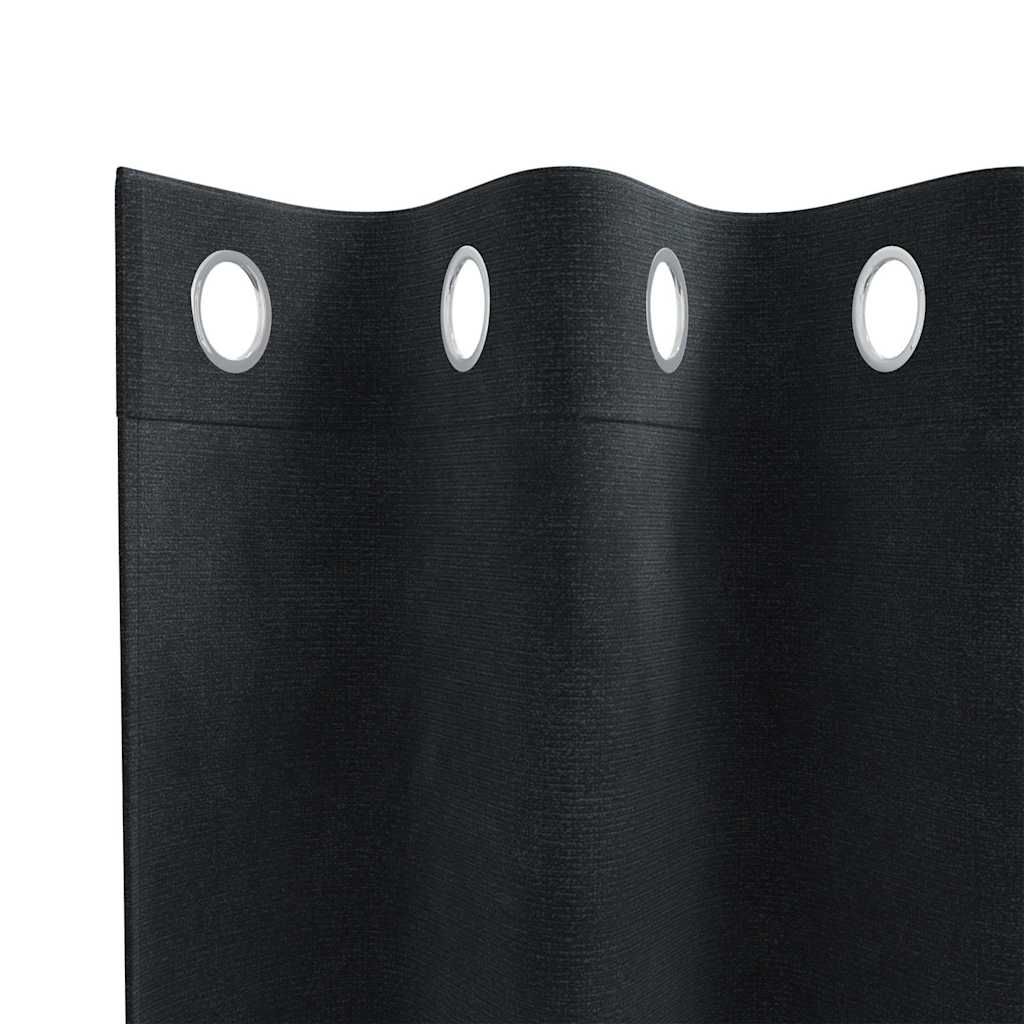
Metal eyelets are sewn in and machine-fine; they just clank a little. Everything removable comes off first: hooks, rings, clips, and tiebacks, straight into a labeled jar so rehanging is not a scavenger hunt. Close any velcro strips so they do not chew the fabric next to them. Replacement hooks and rings live in curtain hardware if the wash reveals casualties from years past.
Dry Them Where They Hang
The best drying rack for a curtain is its own rod. Rehang panels while damp and let their weight pull the wrinkles out as they dry, with a window cracked for airflow. This is the step that makes the whole job feel easy, because it deletes both the dryer risk and the ironing. Steam whatever creases survive. Shower curtains follow their own version of the rule: machine wash with a couple of towels as scrubbers, then hang straight back on the rings to drip dry into the tub.
A Rhythm That Keeps Them Clean
Monthly, run the vacuum brush down each panel when you do the floors. Twice a year, wash whatever the labels allow, one room at a time so no window sits bare. Kitchen fabric goes more often, and the difference between the curtain types you are washing is covered in our fabric guide. Curtains handled this way fade slower, smell like nothing, and last until you are bored of them, which is the correct way for a curtain to die.