How to Install a Magnetic Screen Door
July 6, 2026
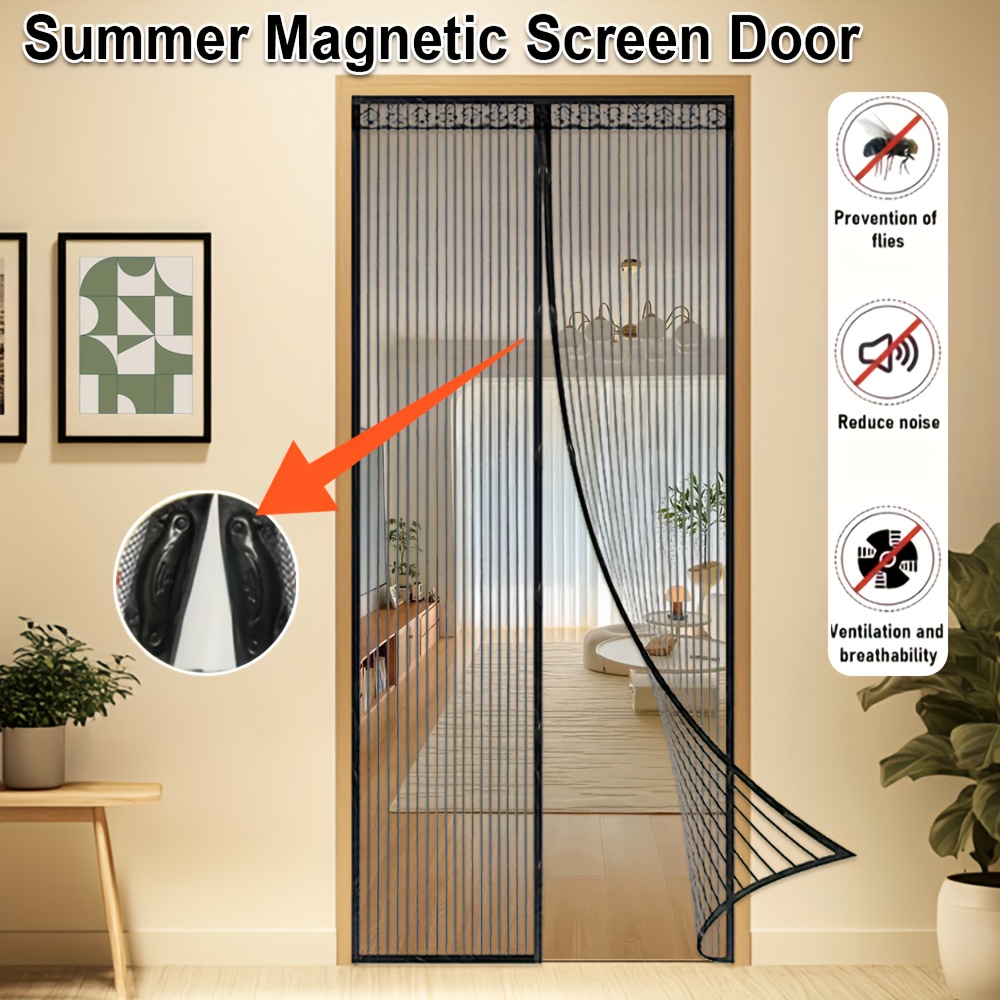
A magnetic screen door goes up in under 30 minutes with no drilling, no tools, and just the hook-and-loop tape included in the package. The mesh hangs from the top of your door frame and splits down the center, held shut by a row of magnets that snap together when you walk through. Here is how to do it right the first time.
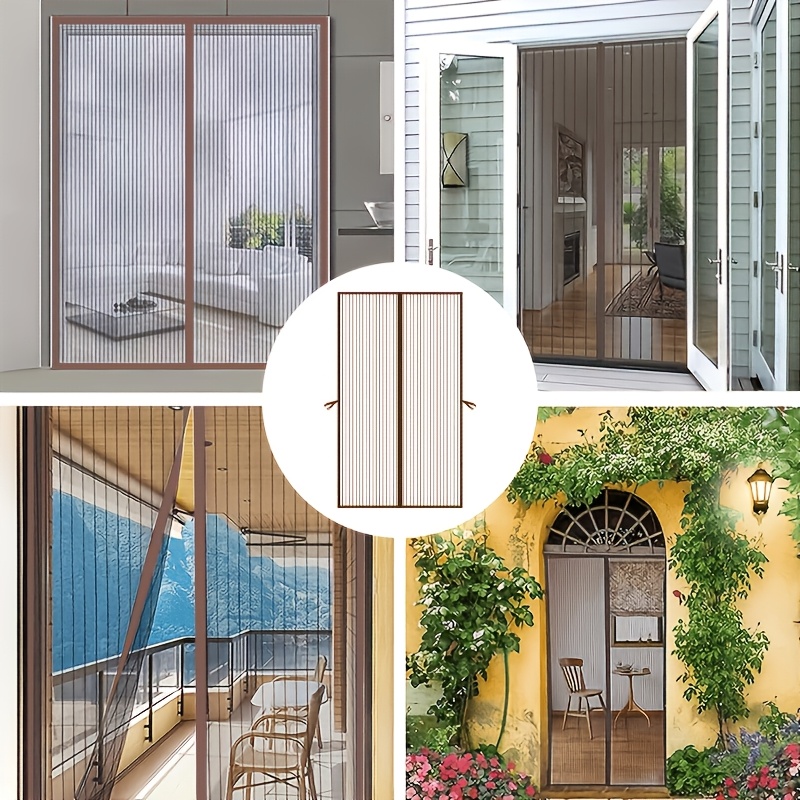
Measure Your Door Opening Before You Buy
Measure the width and height of the door opening itself, not the door. You want the dimensions of the empty space the door swings through. Most standard US exterior doors are 32 or 36 inches wide and 80 inches tall, but measure yours before ordering.
A magnetic screen door needs to be at least as wide as your opening and ideally 2 to 4 inches wider so the edges of the mesh overlap the frame rather than just reaching it. If the mesh only reaches the edge of the frame, it will pull away easily and leave gaps. Write down both measurements and check them against the product dimensions before you buy.
Clean and Dry the Door Frame
The hook-and-loop tape bonds to a clean, dry surface. Wipe down the inside face of the door frame with a damp cloth to remove dust, grease, and any old adhesive residue. Let it dry completely, at least 10 to 15 minutes. In humid weather give it a little longer.
If the frame has a textured or rough surface such as painted brick or raw wood, press the tape down firmly and hold it for several seconds at each spot. Smooth painted wood or aluminum frames give the best adhesion. Avoid installing on a very cold day below about 50 degrees F, since pressure-sensitive adhesive sets poorly in the cold.
Apply the Hook-and-Loop Tape to the Frame
Most kits include two types of tape: a loop strip that attaches to the frame, and a hook strip already sewn into the edge of the mesh. Start at the top center of the frame and work outward, pressing the tape firmly against the frame face as you go.
Run tape along the full top of the opening, then down both sides to the floor or to the height of the mesh. Peel the backing off in short sections so the tape does not curl back on itself before you press it down. At the corners, cut the tape cleanly with scissors rather than bending it, so the corner sits flat.
Hang the Mesh from the Top
Unfold the mesh and locate the top edge, which has the hook tape sewn in. Press the top edge of the mesh against the loop tape you just applied to the top of the frame. Start at one corner and work across, pressing firmly the whole length. The top edge carries all the weight, so take an extra moment here to press it down well.
Once the top is secure, let the mesh hang freely and check that it reaches the floor on both sides with a small overlap. The center split should fall roughly in the middle of the opening.
Press the Sides Down and Add the Push Pins
Press the side edges of the mesh against the loop tape on each side of the frame. Smooth the mesh flat as you go to avoid bunching. Then insert the push pins or thumbtacks through the reinforced grommets or tabs at the top corners and along the sides at roughly 12-inch intervals.
The push pins back up the tape and keep the sides from peeling away under wind pressure or repeated use. Press them in at a slight downward angle so they grip the frame securely. Most kits include more pins than you need, so use them generously rather than spacing them far apart.
Check That the Magnets Close in the Middle
Walk through the screen a few times and watch how the two halves fall back together. The magnets should snap shut cleanly within a second or two. If they close well at the top but leave a gap at the bottom, the mesh may be hanging unevenly. Lift and re-press the top edge so it sits level across the full width.
A sagging top is usually caused by the center of the top tape not bonding fully. Press it again firmly, or add a push pin at the top center. Gaps at the sides mean the side tape needs more pressure or the mesh is slightly narrower than the opening, in which case adding more push pins close to the edge will help close the gap.
Pets, Kids, and Long-Term Use
Magnetic screen doors are not made to stop a dog or a toddler from pushing through intentionally, but they do discourage casual wandering once pets and kids get used to them. For larger dogs, look for kits with heavier fiberglass mesh rather than standard polyester. Cats usually figure out the split quickly and push through on their own, which is actually how the screen is intended to work.
Over time the hook-and-loop tape loses grip if it collects pet hair and lint. Pull the mesh down once a season, clean both tape surfaces with a stiff brush, and re-press. Most magnetic screen doors come with spare tape in the kit for exactly this reason. If you want a more permanent solution for a high-traffic door, consider a door curtain with a weighted hem instead.