Blackout vs Thermal vs Sheer Curtains
July 5, 2026
Blackout, thermal, and sheer curtains each solve a different problem, and knowing which one fits your room saves you from buying the wrong thing twice. The fabric weight, lining, and weave determine what a curtain actually does, so the choice comes down to what you need most: darkness, insulation, or soft filtered light.
What Blackout Curtains Do
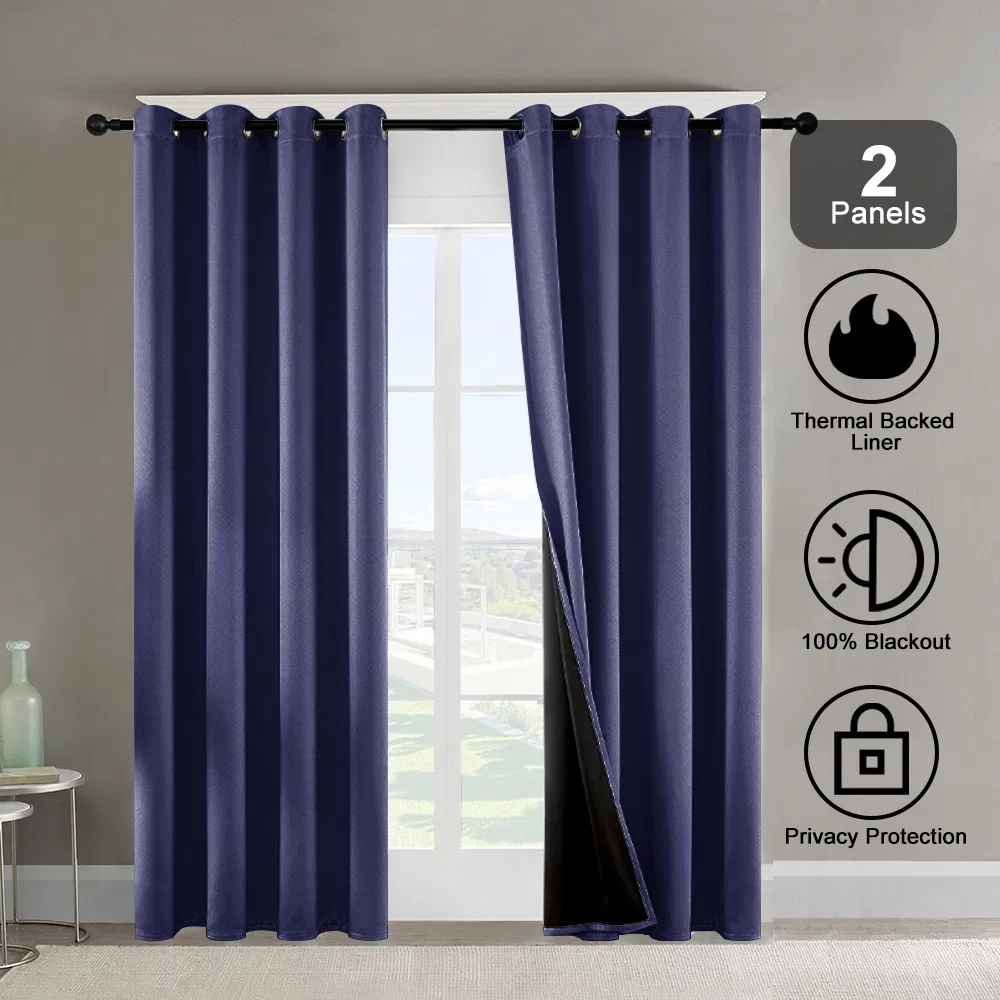
Blackout curtains use a tightly woven or coated fabric that blocks most or all incoming light. A true blackout curtain typically layers a dense main fabric over a white or black foam-backed lining. The result is a room that stays dark even on a bright summer morning.
They work best in bedrooms, nurseries, and home theaters where light intrudes at the wrong time. Shift workers who sleep during the day, babies who nap in the afternoon, and anyone sensitive to streetlights at night will notice an immediate difference. A good pair of blackout curtains can take a room from gray-dim to genuinely dark.
The dense fabric does offer a small amount of insulation, but that is a side benefit rather than the main purpose. If energy savings is your goal, thermal curtains are the better tool.
What Thermal Curtains Do
Thermal curtains prioritize insulation. They use a multi-layer construction, usually a decorative face fabric bonded to a thick interlining or a silver-backed foam layer, that traps air and slows heat transfer through the glass. In winter that means less cold air radiating in from the window. In summer it slows heat from building up in the room.
Thermal curtains are worth considering in rooms with drafty single-pane windows or in older homes where the window seals have degraded. They will not replace proper weatherstripping, but they reduce the chill noticeably and can lower heating bills over a full season. They also reduce outside noise to a modest degree because the extra mass absorbs sound.
Many thermal curtains are also blackout-rated, since the insulating lining is opaque by nature. If you want both darkness and insulation in one panel, look for curtains labeled both thermal and blackout.
What Sheer Curtains Do
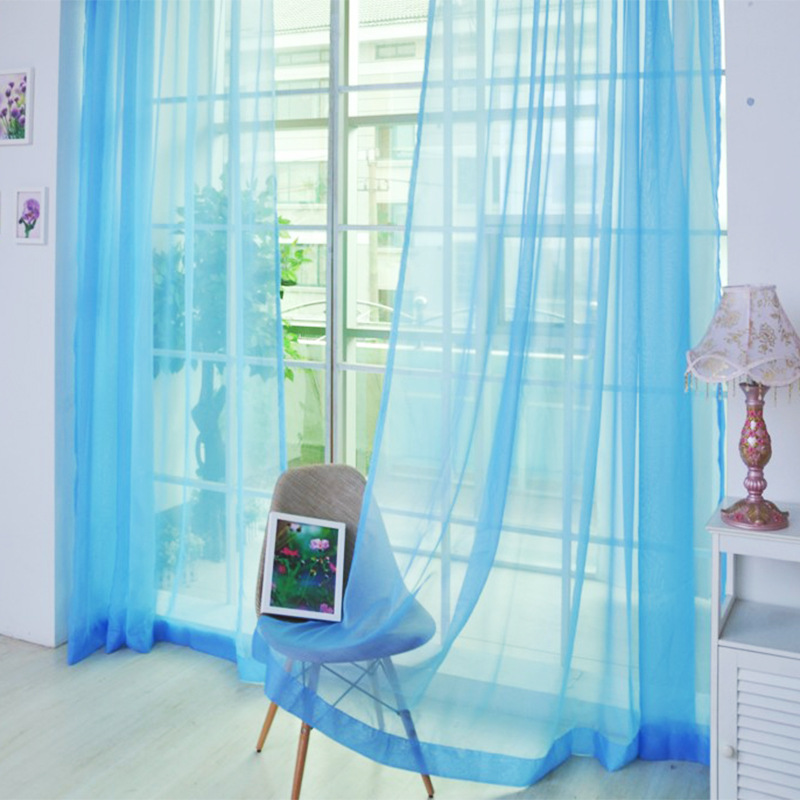
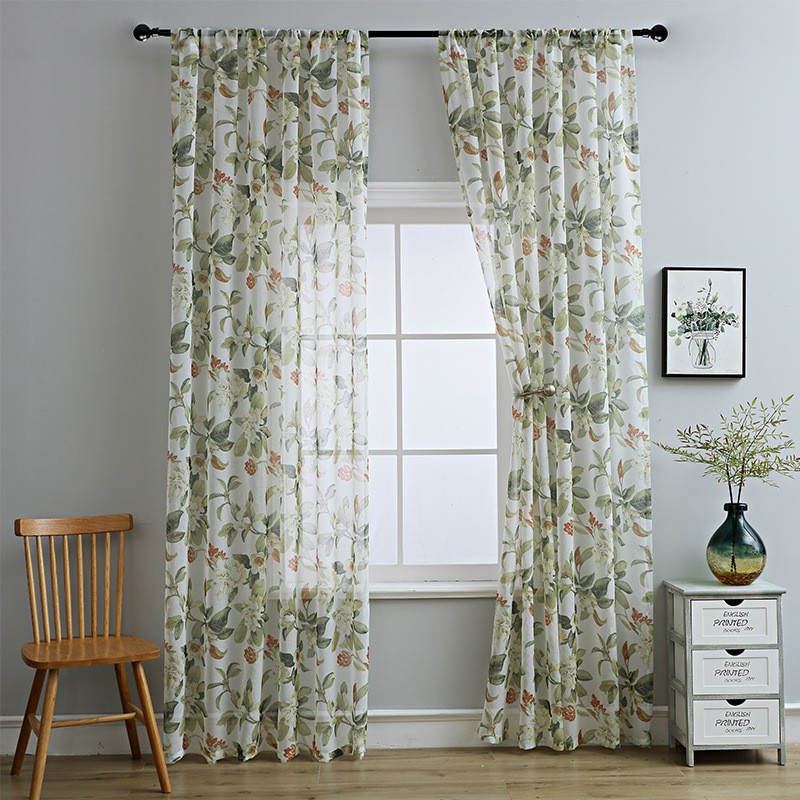
Sheer curtains filter daylight rather than block it. The loose open weave diffuses direct sunlight into soft ambient light and reduces glare on screens, while still letting the room feel bright and open. During the day they give a degree of privacy from the street without cutting off the view entirely.
At night, however, sheers provide almost no privacy. A lit room with sheer curtains is clearly visible from outside. That limitation is worth knowing before you hang them in a ground-floor bedroom.
Sheer curtains suit living rooms, dining rooms, and sunrooms where natural light is welcome but harsh direct sun is not. They add a light, airy quality to a space and pair well with heavier drapes on a double rod.
Layering Sheers with Blackout Curtains
A double curtain rod lets you get the benefits of both sheer and blackout panels at the same window. The sheer sits on the inner rod closest to the glass. During the day you close the sheer and open the blackout panel behind it, getting filtered daylight and daytime privacy. At night or when you want to sleep, you draw the blackout panel across.
This is a practical solution for bedrooms that double as a home office, or for a nursery where you want soft light for feeding and full darkness for naps. You can find both panel types in the curtains and drapes range and size them to match.
Light Control and Privacy Day vs Night
Privacy behaves differently depending on light levels on each side of the glass. Sheers provide daytime privacy because the interior is dimmer than the bright outdoors, making it harder to see in. After dark that reverses: the lit interior is brighter than outside, so even a light fabric becomes transparent to anyone looking in.
Blackout and thermal panels give consistent privacy at any hour because they do not transmit light in either direction. If your priority is around-the-clock privacy, a lined or blackout panel is the reliable choice.
Which Should You Pick
Use this as a starting point. If your main problem is light waking you up early, choose blackout. If your windows are cold to stand near in winter or you are trying to reduce heating costs, choose thermal. If you want the room to feel bright and airy during the day without direct glare, choose sheer. If you want flexibility for different times of day, use a double rod with sheers in front and blackout or thermal panels behind.
Heavier fabrics and lined panels always insulate better than single-layer unlined curtains, regardless of how they are marketed. When shopping, check the lining description rather than relying on general category names, since labeling is not standardized across brands.