Get Your Patio Ready for Spring: A Checklist
July 4, 2026

Spring has a way of arriving before you've thought about the patio. One warm Saturday you walk outside, realize the furniture is still dirty from last fall, the solar lights are dead, and the cushions smell like the garage they've been sitting in for five months. Getting ahead of that takes one decent weekend and a short list. Here's how to work through it without turning it into a bigger project than it needs to be.
Clean and inspect the space
Start with the surface itself before you move anything back onto it. Sweep the patio and clear out any debris that collected in corners over winter. If you have concrete or pavers, a garden hose with a pressure nozzle handles most grime. A pressure washer is worth renting if the surface has mold or heavy staining, but most patios just need a good scrub with a stiff-bristle brush and some dish soap diluted in a bucket.
Check the surface for cracks or heaved pavers while it's clear. Small cracks in concrete can be filled with a concrete repair tube from the hardware store. A heaved paver just needs to be pulled up, the base leveled, and reset. Neither is a long job if you catch it early.
Also look at any fence or rail sections, tighten loose screws and check that gate latches are working. It takes ten minutes and saves a bigger fix later.
Go through the furniture
Pull the outdoor furniture out and give each piece a real look. Check metal frames for rust spots. Light surface rust can be sanded down with medium-grit sandpaper and touched up with rust-inhibiting spray paint. If the rust has pitted through the metal or the welds are failing, replace the piece rather than patch it.
Tighten any loose bolts on chairs and tables. A set of hex keys and a socket wrench covers most outdoor furniture hardware. Five minutes per chair now saves a wobbly-legged problem mid-summer.
Cushions stored in a dry place are usually fine after a shake and a wipe. If they were left outside or stored damp, check for mildew. Dish soap and white vinegar in water handles mild mildew. Severe mildew that has gone deep into the foam is worth replacing. New cushion covers are usually thirty to fifty dollars and make old frames look new.
Test your lights and replace dead batteries
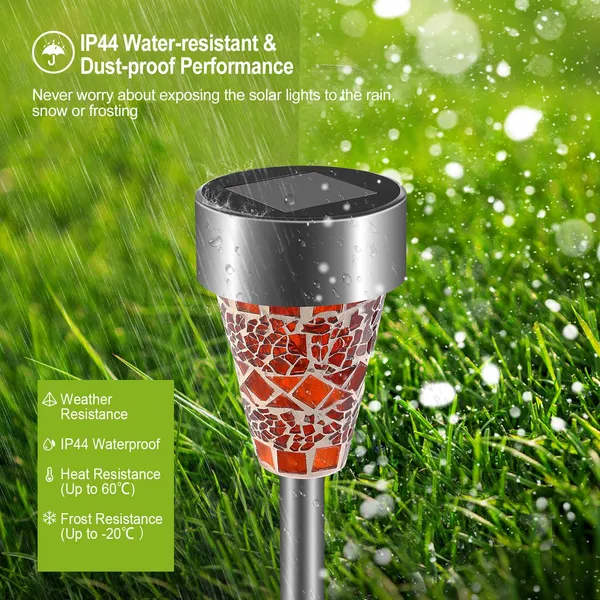
Spring is the right time to audit everything that's been sitting dark for months. Walk the perimeter with your phone and test each fixture. For solar lights, pull the batteries and check the voltage with a simple AA tester if you have one. NiMH batteries in solar fixtures typically last two to three years before they stop holding a charge. Replacements cost about a dollar each, and swapping them out is usually just a matter of removing the bottom cap of the fixture.
For string lights, plug them in and walk the strand. A single dead bulb in an older series-wired set can take out a whole section. Most modern LED strands are wired in parallel, so individual bulbs fail without killing the rest, but it's still worth replacing dead bulbs before they stack up.
Check any timer or smart plug settings. Daylight hours have shifted since fall, so your on/off schedule from last year is probably off by an hour or more.
Set up planters and garden areas
If you use containers or raised beds, now is the time to top them up with fresh potting mix. It settles over winter and loses structure, so even if it looks fine, a few inches of fresh mix improves drainage. Work in a slow-release granular fertilizer now and you won't need to feed as often through the season.
Check ceramic or terra cotta pots for cracks from freeze-thaw cycles. A cracked pot will likely split further by midsummer. Keep it, but move it to a sheltered spot.
A few pieces of garden and outdoor decor pull the space together, a planter stand, a small trellis, or a garden stake to mark where things are going in.
Sort out shade
If you have a patio umbrella, open it up and check the canopy for any tears or broken ribs. A canopy replacement is much cheaper than a new umbrella base and pole, so if the frame is solid, it's worth ordering a replacement cover sized to your umbrella. Open and close the tilt mechanism a few times to make sure it moves freely.
Shade sails and pergola curtains should be inspected for UV damage. Fabric that's become brittle or faded to the point of looking rough is also structurally weaker, so replace it rather than hoping it holds through another summer.
Stock the basics before the season starts
A few supplies make a big difference once you're using the patio regularly. Keep citronella candles or a small fan on hand for bug season. Have a cover or two that actually fits your furniture so it doesn't become a project to cover things before a rain. A small outdoor storage box for cushions, candles, and whatever else accumulates saves you from hauling things in and out every time the weather changes.
Get through this list in one weekend and the rest of the warm months take care of themselves. The patio is ready, the lights work, and there's nothing to fix before you can use it.