Curtains 101: Fabrics, Headers, and Types
July 6, 2026
Curtains are one of those purchases people overthink in the store and under-think at home. You pick something that looks good on the rack, hang it, and realize it's too short, or too stiff, or lets in way more light than expected. A few basics about fabric weight, header style, and length clear up most of that before you buy.
Fabric Weight and What It Does
The fabric determines how the curtain behaves: how much light it blocks, how it folds, whether it insulates, and how it feels in the room.
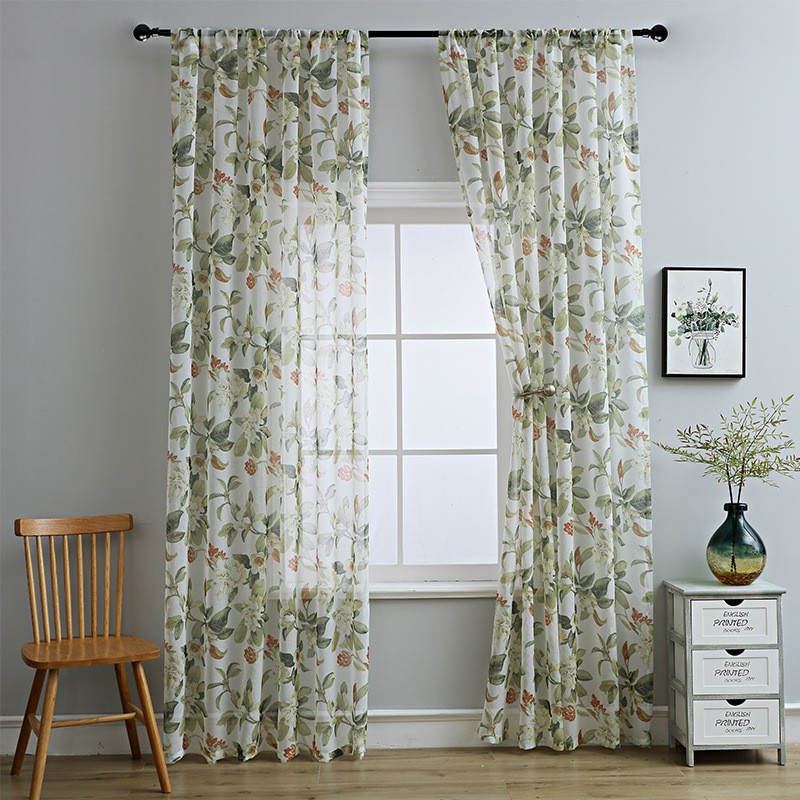
- Sheer and net fabrics let light through while giving some privacy during the day. They work best layered with a heavier panel behind them, or on their own in rooms where you want light and softness without blocking the window entirely. Good choices for living rooms facing east or west where morning and afternoon light is welcome. Browse sheer and net curtains if you're after this look.
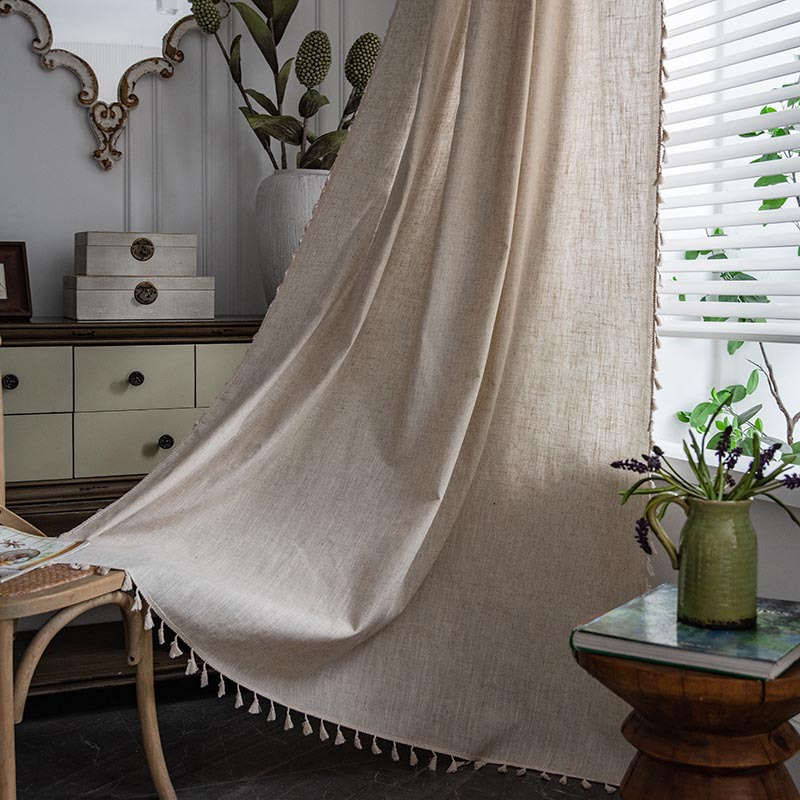
- Cotton and linen sit in the middle range. They have enough body to hang well, filter some light without going dark, and work in almost any room. Linen wrinkles easily but the casual drape is part of the appeal for a lot of people. Cotton holds its shape a bit better and takes dye evenly, so the color stays truer over time.
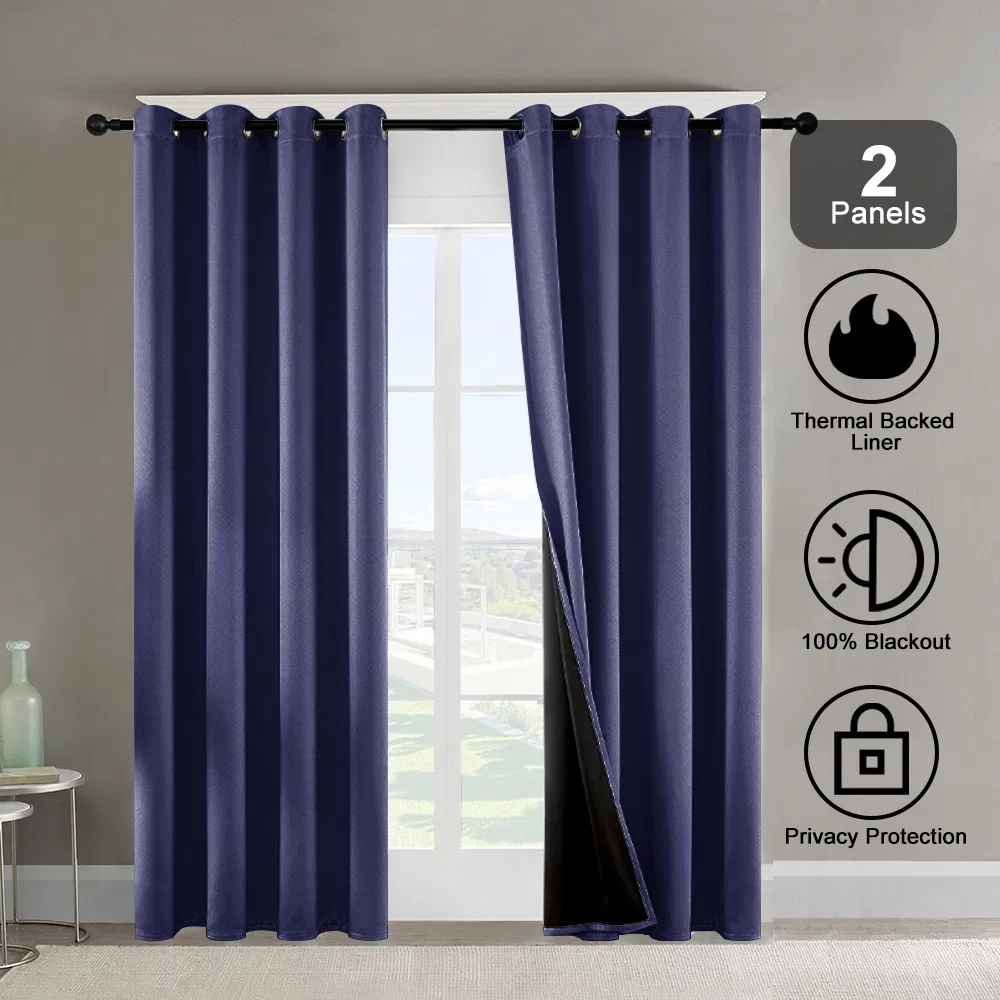
- Blackout fabric blocks nearly all light. Essential in bedrooms for people who sleep during daylight hours, useful for home theater rooms, and practical anywhere a street light or morning sun hits the window at the wrong angle. Blackout and thermal curtains often have an extra layer bonded to the back specifically for this purpose.
- Velvet is heavy, absorbs sound, and has a rich texture that reads formal. It works in dining rooms and living rooms where you want drama. It's also warm, literally, since the pile traps air. Not a great choice for humid rooms like bathrooms.
- Thermal-lined curtains have an insulating layer that slows heat transfer through the window. Worth considering if you have drafty windows or high heating bills. They tend to be stiffer than unlined panels but hang and look similar once installed.
Header Styles and How They Hang
The header is the top of the curtain, and it determines how the fabric gathers, how the curtain moves on the rod, and how formal or casual the finished look reads.
- Grommet headers have metal rings punched through the fabric. The rod slides through the rings directly. The result is a clean, modern look with consistent folds. Grommets slide easily, so opening and closing the curtain is smooth. They work best on straight rods, not curved ones.
- Rod pocket headers have a sewn channel at the top that the rod slides through. The fabric gathers in tight, even ripples. It's a casual, cottage-style look. The trade-off is that rod pocket curtains are harder to slide open and closed, so they suit windows where the curtain mostly stays in one position.
- Pinch pleat headers are sewn into groups of two or three pleats at regular intervals, held with pins or clips. They hang in structured, uniform folds and have a more tailored look than rod pocket or grommet styles. Common in dining rooms and formal living spaces. They require either a track or a rod with rings.
- Tab top headers have fabric loops that hang over the rod. The look is relaxed and casual. Like rod pocket, they don't slide smoothly, so they work best on stationary panels or in low-traffic windows.
A quick rule: grommet and pinch pleat headers work well on standard curtain rods and hardware meant for frequent use. Rod pocket and tab top are better for panels you set once and leave.
Standard Lengths and Where They Land
Curtain length is where a lot of installs go wrong, usually by hanging the rod too low and using panels that are too short.
- Sill length ends at the windowsill. Practical in kitchens and bathrooms where longer panels would collect moisture or be in the way.
- Apron length drops a few inches below the sill. A common choice for cafe curtains or in rooms where you want coverage without floor-length fabric.
- Floor length just grazes the floor, typically within half an inch. This is the most common choice for living rooms and bedrooms. It reads clean and intentional.
- Puddle length has extra fabric that pools on the floor. A deliberate style choice for formal rooms. It collects dust and is impractical in high-traffic areas, but in a dining room or a bedroom it can look good.
Hang the rod higher than the window frame, usually 4 to 6 inches above it or close to the ceiling. This makes the window look taller and gives floor-length panels room to hang properly without bunching.
Putting It Together by Room
For a bedroom, blackout or thermal-lined panels on a grommet rod hit floor length. Add sheer panels on a separate rod in front if you want the option of light during the day without fully opening the blackout layer.
For a living room, cotton or linen panels in a pinch pleat or grommet header at floor length are a solid default. If the room gets strong afternoon sun, a sheer layer behind the main panel gives you control without making the room dark.
For a kitchen, sill or apron length in cotton or a light linen. Skip velvet and blackout entirely. Keep it easy to wash.
Browse the full range of curtains and drapes to compare fabrics and headers side by side once you know what combination fits the room.