Small Upgrades That Make a Rental Feel Like Home
June 29, 2026
Most rental apartments come with the same package: harsh overhead fixtures, vinyl blinds that filter light like a parking garage, and walls that feel borrowed. You can live with all of that, or you can spend a weekend making the place actually feel like yours. None of the changes below require a drill, damage anything, or cost a fortune, and every single one is reversible before move-out.
Swap the Blinds for Real Curtains
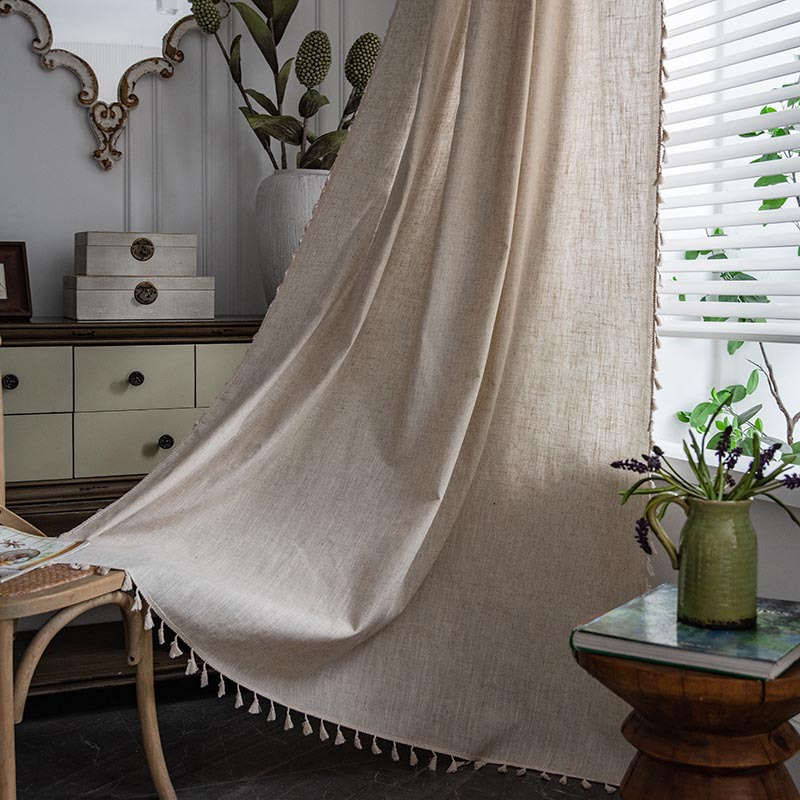
Cheap horizontal blinds are the single fastest way to make a room look temporary. Replacing them with fabric curtains and drapes changes the whole character of a space. You don't have to remove the existing blinds at all. Most tension or spring-clip curtain rods fit inside the window frame without drilling, and command-strip rod brackets hold surprisingly well on smooth painted drywall if you stay under the weight limit. A floor-length linen or cotton panel in a warm neutral makes a room read taller and softer at the same time. When you leave, pull the rod down, rehang the blinds, and patch two small holes if you went with anchored brackets.
Add a Lamp (or Two)
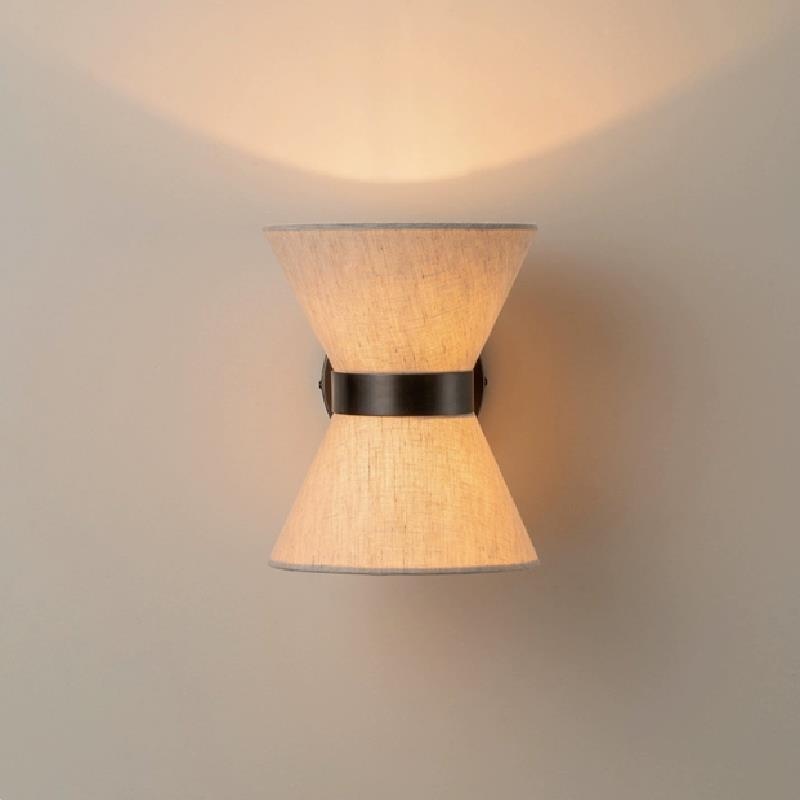
Overhead lighting flattens everything. A bare bulb in the center of a ceiling handles sorting mail and little else. Adding one or two wall lamps or floor lamps at eye level changes the mood completely. The trick is to light the corners and the surfaces, not the ceiling. A lamp on a side table, another on a bookshelf, a plug-in sconce on the wall with a cord cover painted to match the baseboard: these pool light where you actually spend time. Warm-toned bulbs in the 2700K to 3000K range are the right call for living spaces.
Put Down an Area Rug
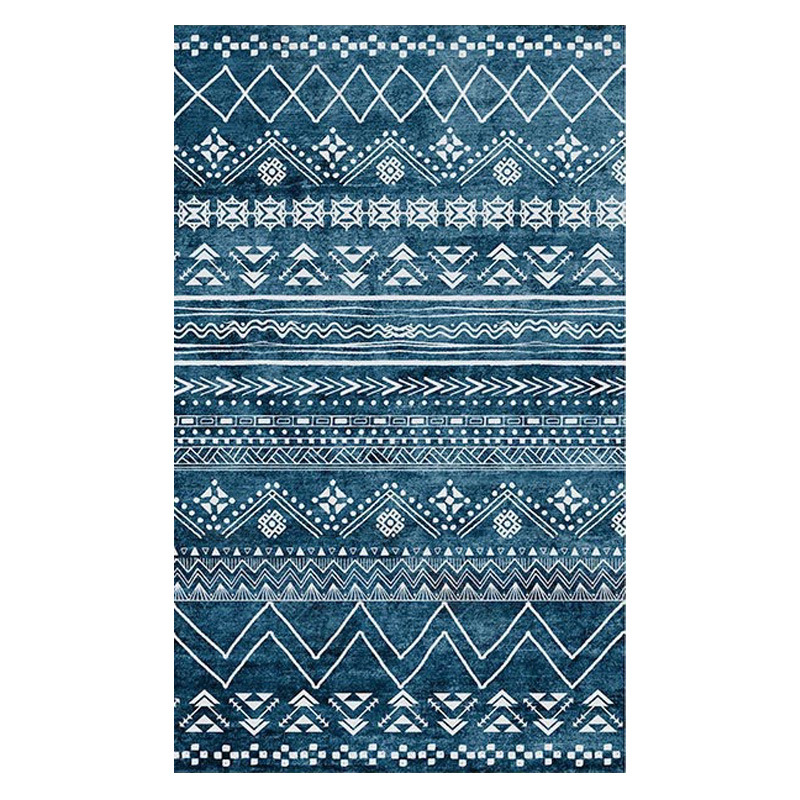
Hard flooring is practical and easy to clean, but a bare floor makes a room feel like a showroom. An area rug does a few things at once: it defines the seating area so furniture looks arranged rather than just placed, it absorbs sound so the space feels less echoey, and it adds color or texture without touching a wall. Size matters more than most people think. In a living room, the rug should be large enough that at least the front legs of the sofa and chairs sit on it. A rug that's too small floats in the middle of the room and makes everything look smaller.
Hang a Large Mirror
A mirror does two things that nothing else in the room can: it bounces natural light into corners that a window can't reach, and it creates the visual impression of more space. The best position is opposite or at an angle to your main window. A full-length mirror leaned against the wall is entirely damage-free, and a large round mirror on a picture ledge or flush-mount hook takes up minimal wall real estate while making a big difference. If you go with a hook, the removable adhesive kind rated for ten pounds or more handles most mid-size mirrors without issue.
Hang Art Without the Damage
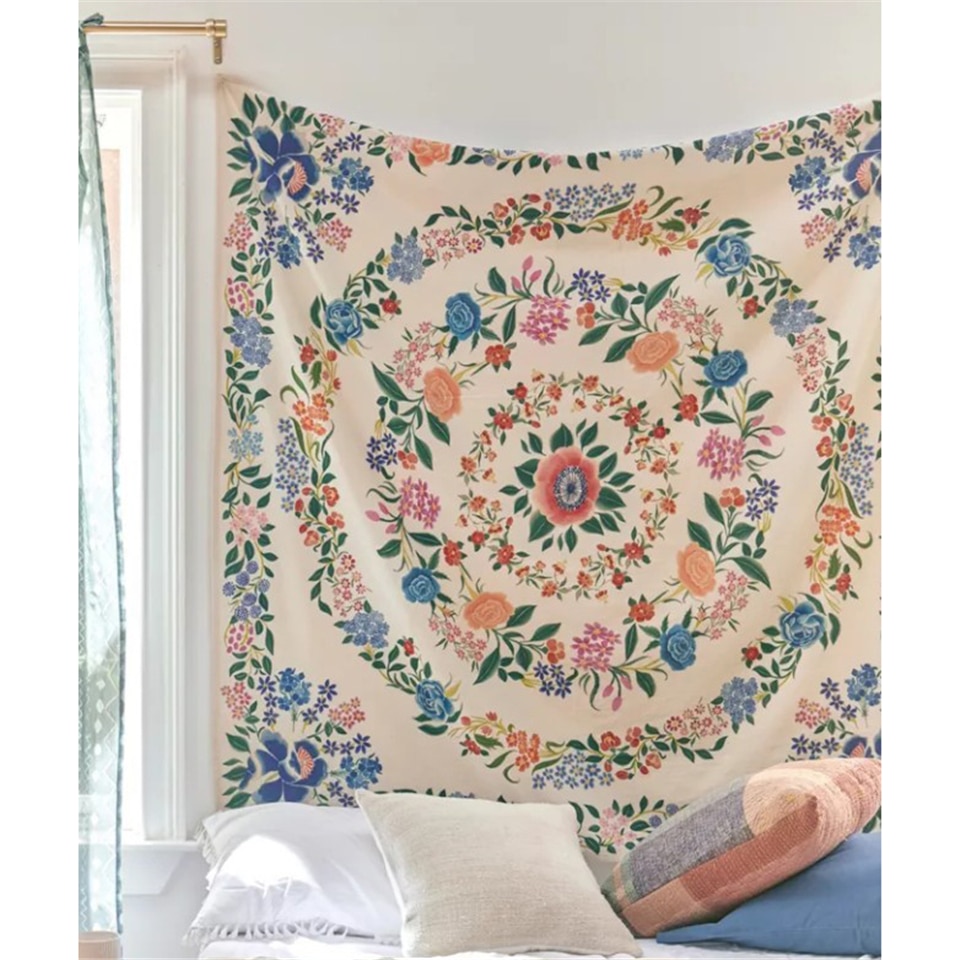
Blank walls are what make a rental feel most temporary. The good news is that wall art and decor doesn't require a stud finder or a bag of anchors. Adhesive picture strips from most hardware stores hold frames up to a pound or two per strip, and they pull clean off painted drywall without leaving marks. For heavier pieces, picture ledges are a good alternative: one small ledge rail, two screws, and you can swap art in and out freely. A few patches of spackle cover the holes when you leave. Grouping smaller pieces together reads better than spreading them out one by one across a large wall.
Bring in Plants and Swap the Hardware
Two last moves that cost almost nothing. Plants add life and texture to a room in a way that decor items rarely match. A pothos on a shelf, a fiddle leaf in a corner, a small herb pot on the kitchen windowsill: they signal that someone actually lives there. Go with whatever survives your light conditions rather than whatever looks best in photos.
Kitchen and bathroom cabinet hardware is almost always interchangeable. Pull the existing knobs and pulls, note the screw spacing, and swap in something that matches your taste from any home decor section. Keep the originals in a small bag in the back of a cabinet. When you move out, swap them back in ten minutes. It's a small change that makes a kitchen feel like it was actually chosen rather than assigned.