Window Privacy That Does Not Block the Light
July 24, 2026
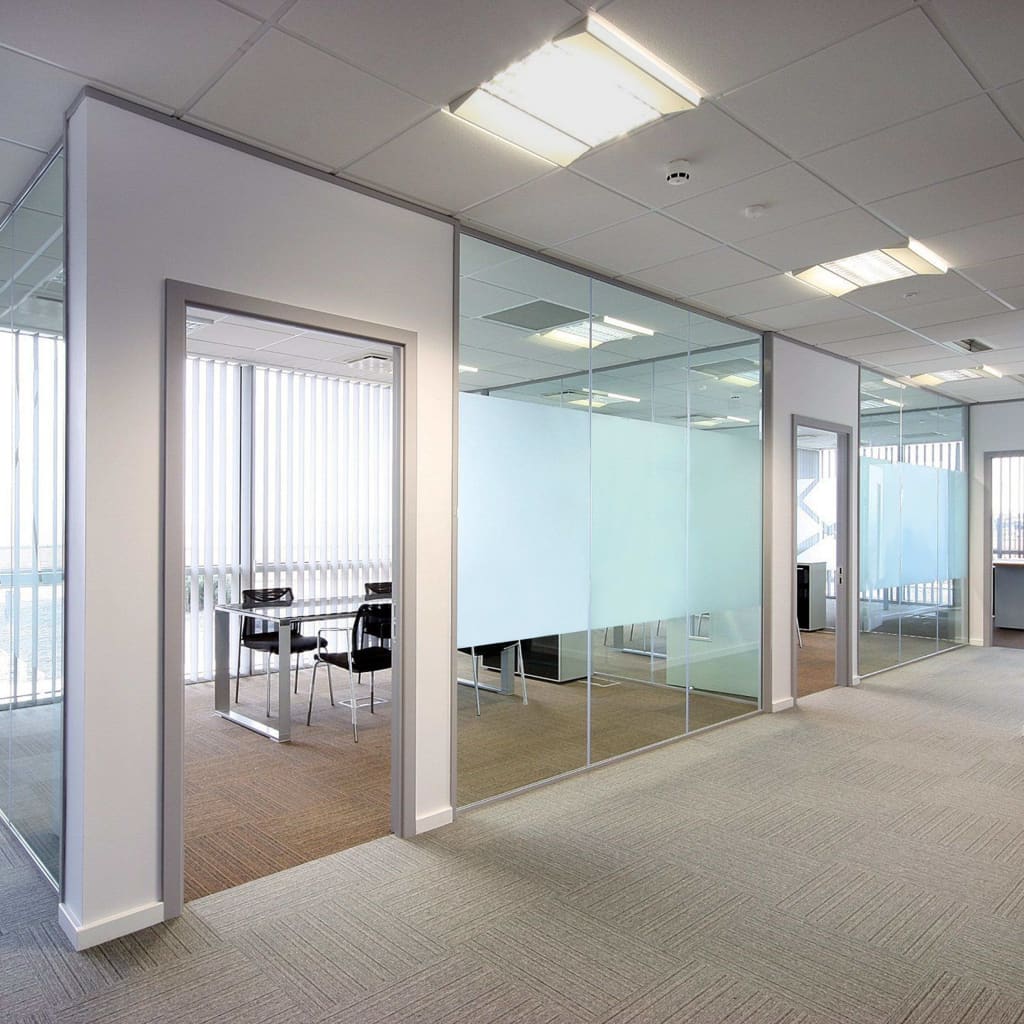
Privacy is the reason most windows end up half useless. The blinds drop in October and never really rise again, and a room with a permanently covered window is a dark room with extra steps. The better tools all work the same way: they scatter light instead of stopping it, so the glass keeps feeding the room while the view in goes blurry. The right pick depends on the window, and on whether the problem is daytime, nighttime, or both.
Know the Day-Night Flip
One fact explains most privacy failures: see-through is about which side is brighter. By day the street is brighter than your room, so a sheer or frosted layer reads as opaque from outside. At night the lit room becomes the bright side and the same window turns into a display case. Daytime privacy is cheap and light-friendly; nighttime privacy always needs something opaque. Plan every window as a day layer plus a night layer and the problem stays solved around the clock.
Sheers Are the Day Shift
Sheer curtains pass most of the daylight, scatter it deeper into the room, and turn the view in into vague shapes. Hang them wall to wall across the window and keep them closed all day; unlike blinds, a closed sheer costs almost nothing in brightness, which is why they beat slats for any room that needs both light and privacy at once. Lace and patterned weaves blur more than plain voile, useful where the sidewalk runs close to the glass.
Add the Night Layer
Behind or over the sheer goes something that closes after dark: a curtain panel on a double rod, or a blind inside the recess. The double rod is the classic because one set of hardware carries both layers, sheer in front for the day, blackout or lined panel pulled across at night. A blind-plus-sheer setup does the same with a slimmer profile. The habit matters as much as the hardware; the night layer only works if closing it at dusk is a five-second gesture, which is exactly what rods and chains are for.
Zebra Blinds Tune It by the Hour
A zebra blind is two layers in one roll: alternating bands of sheer and solid fabric that slide against each other. Align the sheer bands for view and light, offset them halfway for privacy with glow, roll to full overlap at night for an ordinary opaque blind. For a street-facing room where the privacy need changes across the day, one zebra roller replaces a whole curtain stack. Measure the recess before ordering; the numbers that matter are in our blind measuring guide.
Frosted Film for Glass That Stays Bare
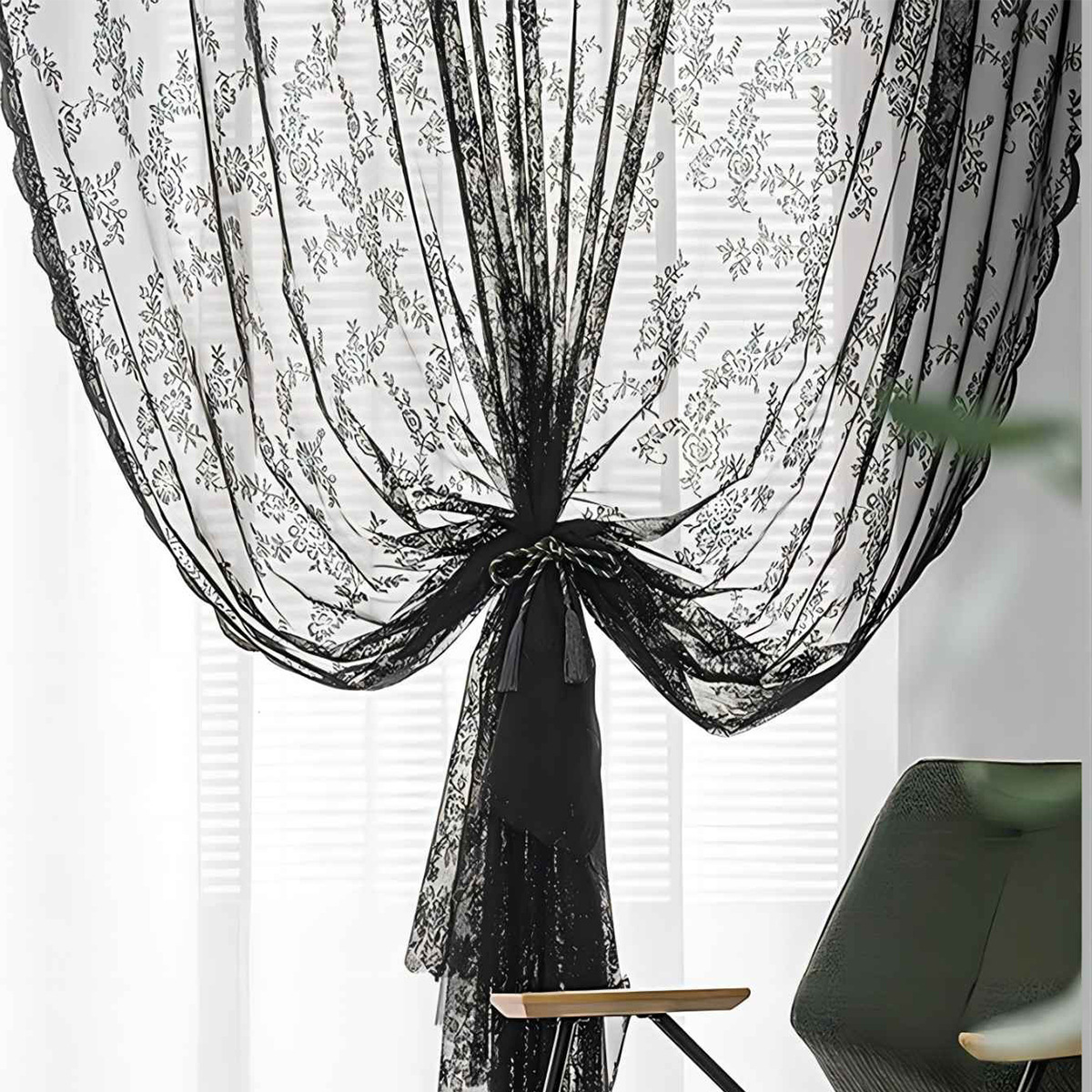
Some glass cannot take fabric at all: the bathroom window over the tub, the sidelight beside the front door, the ground-floor pane a desk faces. Frosted privacy film, found with the wall decor, turns the pane itself translucent. Light comes through at nearly full strength while shapes dissolve at any distance past a hand's width. Static-cling versions apply with soapy water, squeegee flat, and peel off clean when a lease ends. Cover the lower two thirds of a bathroom pane and leave the top clear for sky, and the room keeps both its privacy and its daylight with nothing to launder.
Cafe Curtains Cover the Half That Matters
Sightlines from the street run at human height, which for most ground-floor windows means only the lower half of the glass needs defending. A cafe curtain on a tension rod across the bottom half blocks exactly that, while the top half pours light in over it. Kitchens, bathrooms, and any sill-height street window are the natural homes, and because the rod tensions inside the frame, it is a no-drill, ten-minute install.
Matching the Fix to the Room
- Street-facing living room: sheers all day, heavier panels or a zebra blind for night.
- Bedroom: sheer plus blackout on a double rod, since sleep wants darkness anyway.
- Bathroom: frosted film or a water-tolerant blind, never fabric on the pane.
- Front door glass and sidelights: frosted film, cut to size.
- Kitchen sink window: cafe curtain, washed on the same schedule as the tea towels.
Every window can hold its light and its privacy at the same time; the only real mistake is solving a night problem with a day tool. Layer once, and stop thinking about who can see in.