How to Measure Curtains So They Hang Right
June 28, 2026
Curtains that fit look intentional. Curtains that are too short or too narrow look like an afterthought. The good news is that measuring for them takes about five minutes and one tape measure. Get the width and length right the first time and the rest of the room follows. Here is how to do it.
Start with the rod, not the window
The biggest factor in how curtains look is where the rod goes, and it almost never belongs at the top edge of the window. Mount it higher and wider than the glass.
For height, set the rod 4 to 6 inches above the window frame, and go further with tall ceilings. A common move is to mount it about two thirds of the way up the gap between the frame and the ceiling. Raising the rod draws the eye upward and makes both the window and the room feel taller.
For width, extend the rod 3 to 6 inches past each side of the frame, more on a large window. That overhang, called the stackback, gives the open panels somewhere to rest off the glass, so daylight comes through the whole window. Once the rod is mounted, measure its full length bracket to bracket. That number, not the width of the window, is what your curtains have to cover.
Getting the width right
Flat panels look thin and skimpy. For a gathered, full look you want the combined width of your panels to equal about 2 to 2.5 times the rod width. A 50 inch rod wants roughly 100 to 125 inches of total curtain across both panels.
- Light, sheer fabric: aim for the higher end, around 2.5 times, since thin fabric needs more gather to read as full.
- Heavier blackout or lined fabric: 2 times the width is usually plenty, and pushing past it can make the stack too bulky to clear the glass.
- One panel or two: two panels that meet in the middle are easier to open and close, and they let light in evenly from both sides. A single wide panel works on a narrow window or where you only ever sweep it one direction.
To turn the multiplier into a panel count, divide your target fabric width by the listed width of one panel. If panels come 54 inches wide and you need 100 inches of fabric, two panels gets you to 108, which is right in range.
Measuring the length, and where to measure from
Length is where the header type matters, because the fabric does not start at the rod. Measure from the point where the top of the curtain will actually hang down to where you want the hem to land.
- Rings or clips: the panel hangs below the rod, so measure from the bottom of the ring or the jaw of the clip. That can drop the top of the fabric an inch or two below the rod itself.
- Grommet top: the panel hangs from the rod through the grommets, so measure from roughly an inch above the rod, where the fabric crests.
- Rod pocket: the rod threads through a sleeve, so the fabric starts a little below the rod and the pocket eats some length.
- Pinch pleat with pin hooks: the drop depends on where you set the hook, which gives you a little adjustment range.
Get this wrong and panels you measured to the floor end up floating two inches short. When in doubt, hang a ring or hook on the mounted rod and measure from there.
Picking the length: float, break, or puddle
Once you know your starting point, decide where the hem stops. There are a few standard choices, and panels usually come in lengths like 63, 84, 95, 108, and 120 inches to match common ceiling heights.
- Sill or apron length: the hem stops at the windowsill or a few inches below it. Good for kitchens, bathrooms, and over a counter or radiator where a long panel would get in the way or soak up moisture.
- Float: the hem clears the floor by about half an inch. This is the clean, low-maintenance choice for most living rooms and bedrooms, and it makes opening and closing easy.
- Break: the panel runs about an inch long so it just touches and bends slightly at the floor, like a well-tailored pant leg. It reads a touch softer than a float.
- Puddle: the panel runs 2 to 6 inches long and pools on the floor. It looks formal and suits heavy fabrics, but it collects dust and is a trip hazard in a busy room.
If you cannot decide, float the panels. Short curtains are the most common mistake people make, and they are hard to fix after the fact without buying new panels or adding a band of fabric.
Inside mount, outside mount, and ceiling mount
Most curtains use an outside mount, where the rod sits on the wall above and beyond the frame. It is the default for the placement above and the most forgiving, since the hardware hides an off-square window.
An inside mount, where the rod sits inside the opening, is rare for drapery and more common for blinds and Roman shades. If you go that route, measure the exact width and depth of the opening, deduct a little for clearance, and check that the frame is deep enough for the bracket.
A ceiling mount fixes the rod or a track to the ceiling itself. It makes a standard window look floor-to-ceiling and is the trick for covering a sliding door. Measure from the ceiling to your hem, and remember the panel needs to be that long, often the 108 or 120 inch sizes.
A quick worked example
Say your window is 36 inches wide and you mount a rod that ends up 48 inches across, set 5 inches above the frame. For a full look you want about 100 to 120 inches of total curtain, so two panels around 54 inches wide each. If the bottom of the rings sits 90 inches off the floor and you want a float, your panels need to be about 89 inches long, which rounds up to a stock 95 inch panel that you can hem to fit.
What to shop for
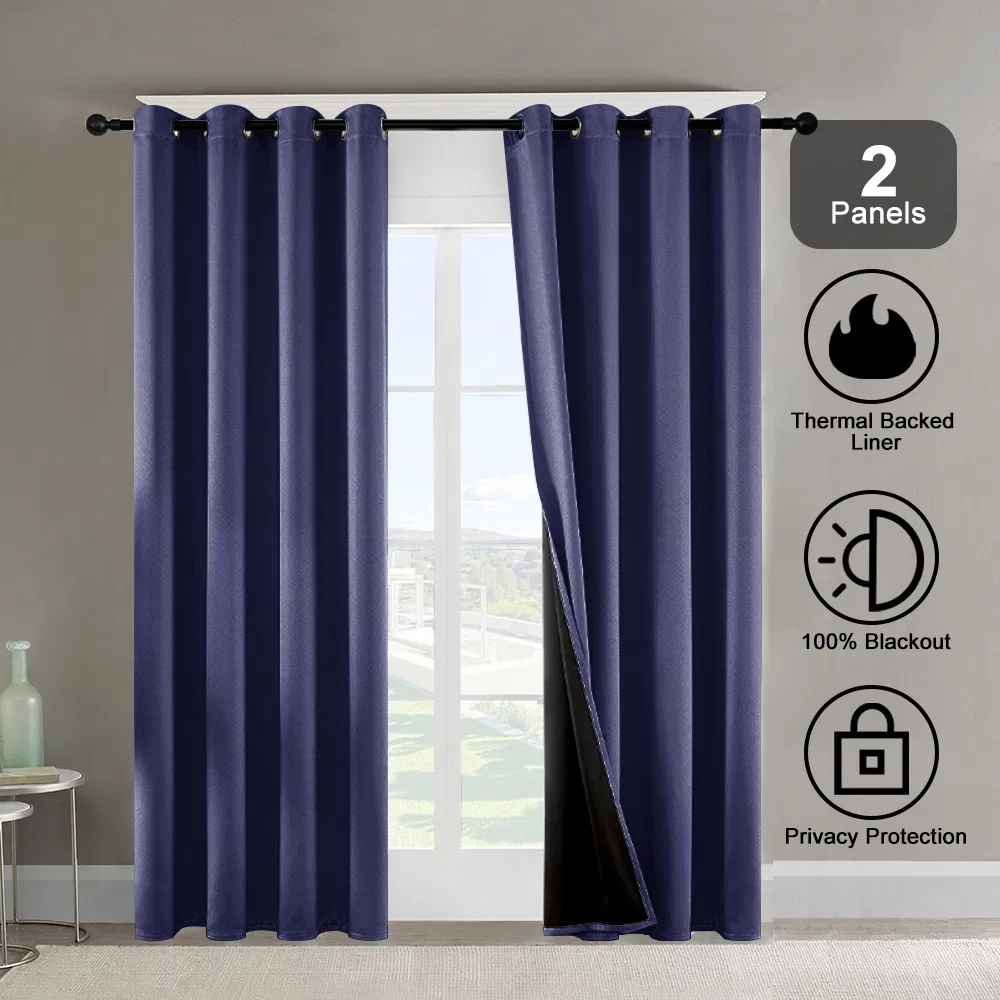
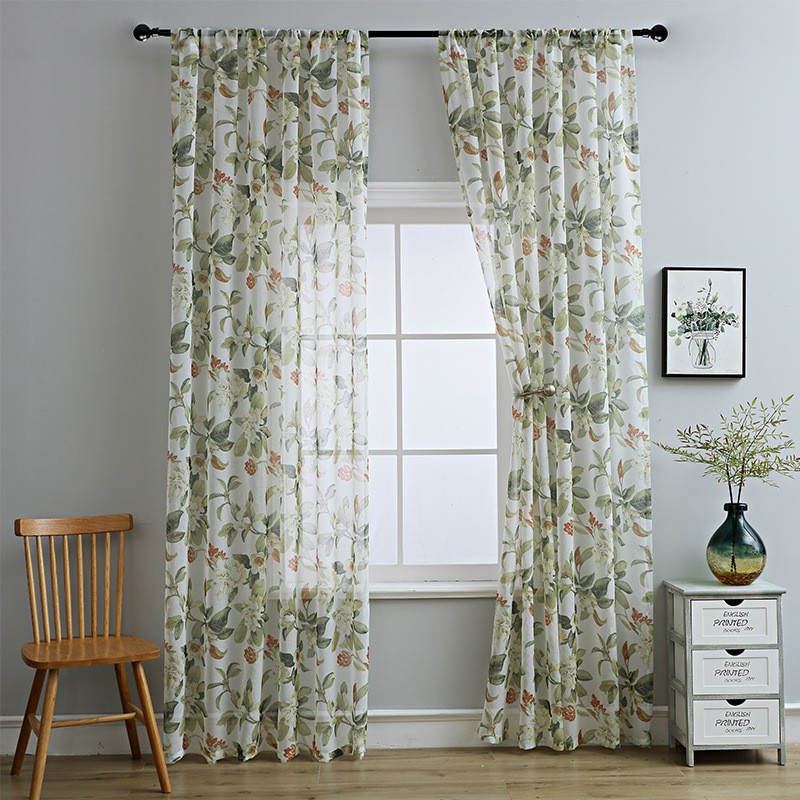
Once you have your numbers, the fabric sets the mood of the room. For privacy and better sleep, look at blackout and thermal curtains, which also help with drafts. For soft daytime light, sheer and net curtains filter the sun without blocking it, and you can layer the two on a double rod to get both. Browse the full range of curtains and drapes, and do not forget the rods, rings, and hardware that hold it all up.
Common mistakes to avoid
- Hanging the rod at the top of the window frame. It makes the ceiling feel lower and the window smaller. Go higher.
- Buying panels the same width as the rod. They stretch flat and look skimpy. You want roughly double the rod width in fabric.
- Stopping the hem above the floor. Short curtains are the giveaway of a rushed job. Float the panels or run them just below.
- Forgetting the header type. Grommet, rod pocket, clip ring, and pinch pleat each hang at slightly different heights, so measure from where the fabric actually starts.
- Skipping the stackback. Without rod past each side, open panels sit on the glass and steal your daylight.