How to Brighten a Dark Room Without Adding a Window
July 20, 2026
A dark room is rarely short of light. It gets the same daylight as the rest of the house, then wastes it: heavy curtains eat a third of the window, dark textiles absorb what gets past, and a single overhead bulb tries to cover the result after dark. Construction can add a window; everything below just stops the waste, and the room reads brighter by the weekend.
Free the Window First
Walk over and look at how much glass your current curtains cover when fully open. Panels hung on a rod barely wider than the frame stack on the glass and block a strip of daylight down each side all day. Rehang the rod 8 to 12 inches beyond the frame on each side and close to the ceiling, so open panels stack against the wall and the full pane works. It is the highest-return hour in this whole list, and the measuring is covered in our guide to hanging curtains high. Then clean the glass, inside and out; a season of film costs real brightness and nobody notices it accumulating.
Swap Heavy for Sheer
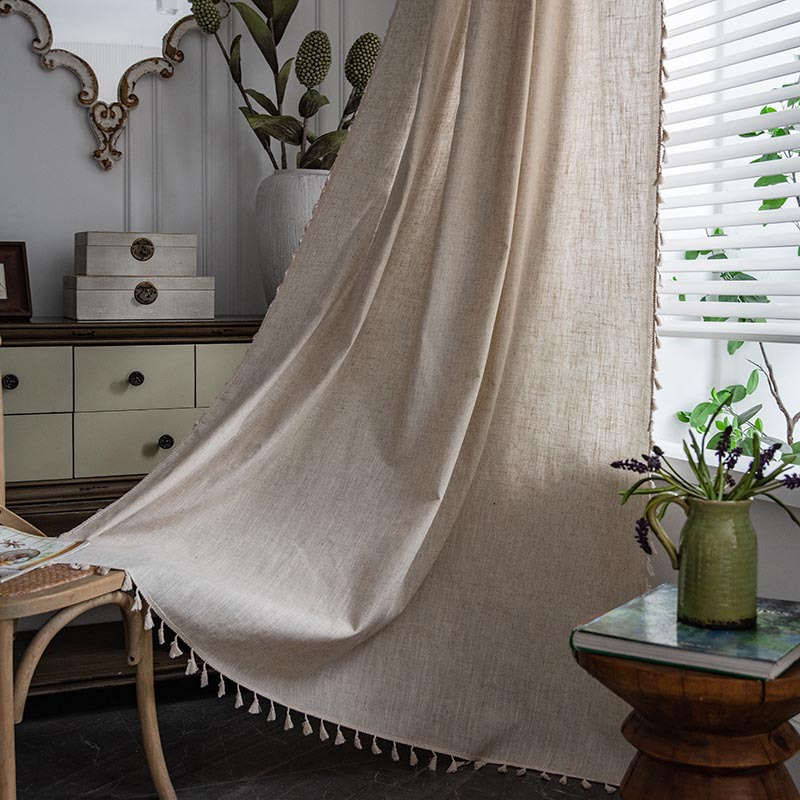
In a room that struggles for light, heavy daytime curtains are a luxury the window cannot afford. Sheers pass most of the daylight and scatter it, turning the hard bright patch near the window into a soft wash that reaches farther into the room, and they keep daytime privacy while doing it. If the room also needs evening darkness, layer a blackout panel on a double rod and keep it pulled clear of the glass until night; the combinations are in our curtain fabric guide.
Put a Mirror Where the Light Lands
A mirror is the only decor that manufactures daylight. Hang it on the wall the window's light actually strikes, opposite or angled to the glass, and it throws a second window's worth of brightness back across the room. Go as large as the wall allows, since a small mirror bounces a small patch. The trick extends in miniature to anything reflective: a glass-front cabinet, a metallic lamp base, the mirrors and wall art pieces with light-catching surfaces all keep photons moving instead of ending.
Layer Lamps at Three Heights
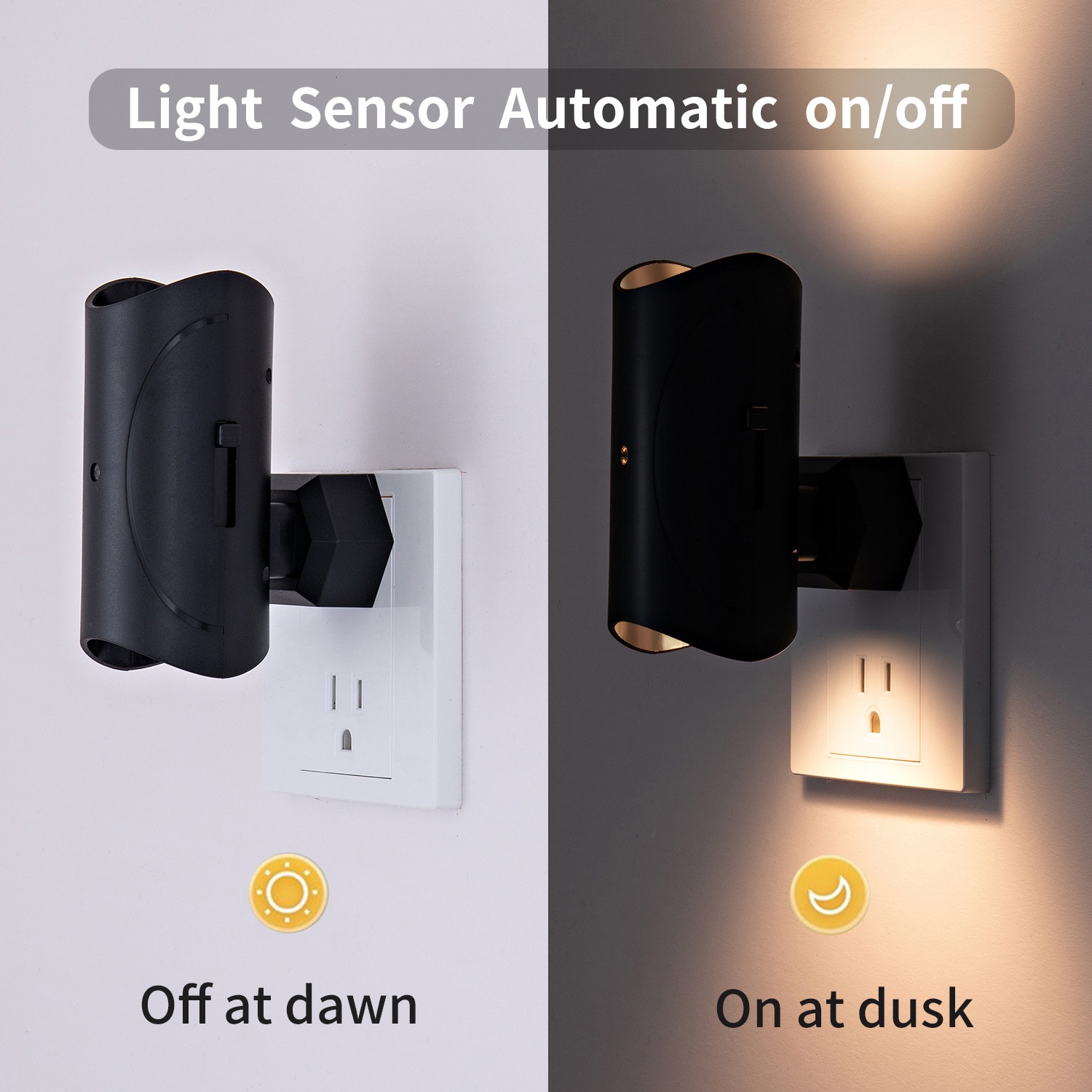
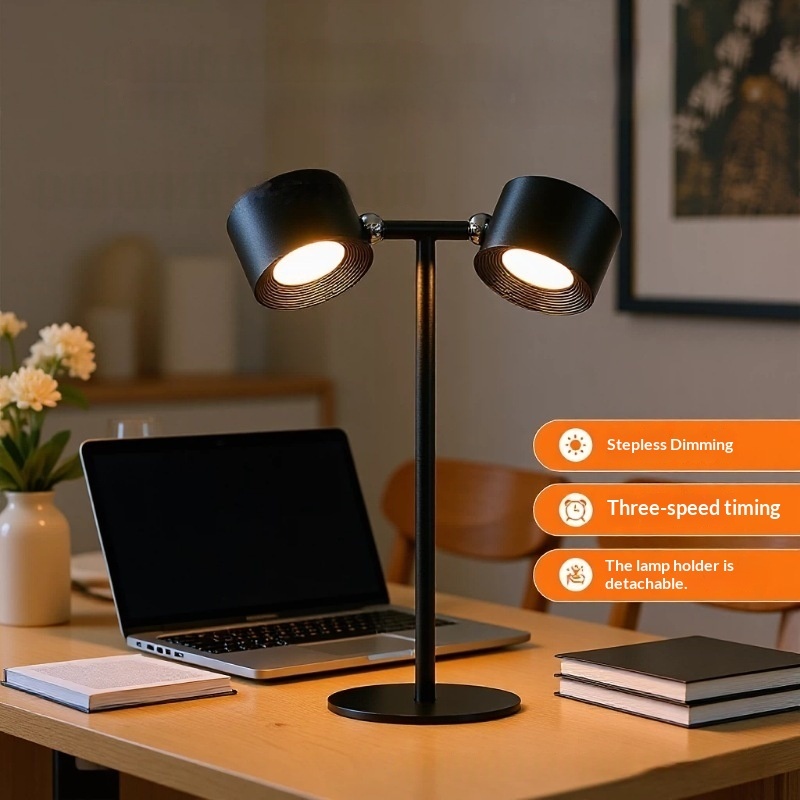
One ceiling bulb lights the floor and leaves the walls in shadow, and shadowed walls are what makes a room feel cave-like after dark. Spread the light: something at the ceiling, something at eye level, something low. Eye level is where most dark rooms are missing a layer, and wall lamps fill it without eating floor space; the rechargeable cordless ones mount on any wall with no wiring, which suits rentals and awkward corners. Heights and spacing are in our wall light guide. Uplights matter too: a shade aimed at the ceiling turns the whole white surface into a diffuse fixture.
Lighten the Big Surfaces
Light bounces around a room losing a share of itself at every surface, and dark surfaces take the biggest cut. You do not need to repaint to change the math. Rank the room's largest soft surfaces, usually curtains, bed or sofa textiles, and the rug, and move the biggest ones toward soft white, cream, and pale warm neutrals. Gloss and ceramic decor helps at the margins. A dark feature wall can stay if it faces the window, where it never shadows anything; the wall opposite the glass is the one that repays lightness most.
Warm Light for the Evening Shift
Brighter should not mean colder. Keep bulbs warm white and simply add more lumens and more sources, so the room gets brighter at night without sliding into office lighting. A strand of string lights along a shelf or behind a sheer adds a low glowing layer that makes the room feel warmer and brighter at once. The full logic of matching light color to rooms is in our room-by-room lighting guide.
Clear the Light's Path
Last pass: stand at the window and look into the room the way the light does. Tall furniture beside the window casts a permanent shadow band; shift it to the wall the light never reaches. Keep the sill and the floor by the window clear, and prune whatever is growing across the outside of the glass. A dark room usually got that way by a dozen small decisions, and it comes back the same way.