How to Fix an Echoey Room Without Gluing Foam to the Walls
July 22, 2026
You can hear an empty room with your eyes closed. Clap once in a space that is all drywall, glass, and hard floor and the sound bounces between the flat surfaces for a beat too long, which is why voices sound harsh in it, the TV needs to be louder than it should, and video calls pick up a bathroom ring. Recording studios fix this with foam panels. A home can fix it with things that were worth hanging anyway.
Why the Room Rings
Sound leaves a mouth or a speaker, hits a hard flat surface, and bounces with most of its energy intact. Two bare parallel walls volley it back and forth; add a glass window and a hard floor and the room becomes a racquetball court for noise. Every soft, heavy, or irregular thing you add takes a bite out of each bounce. The strategy is simple: find the biggest hard surfaces and put mass or texture on them, starting with the largest.
Fabric on the Biggest Wall
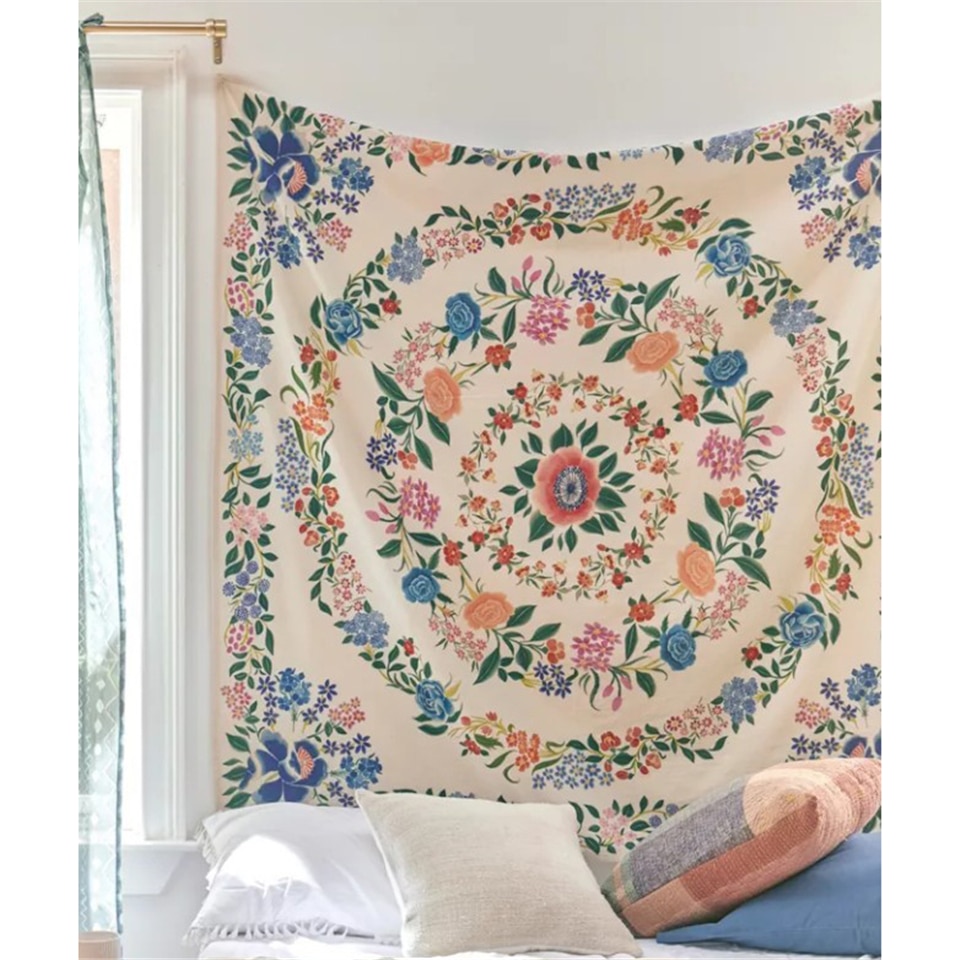
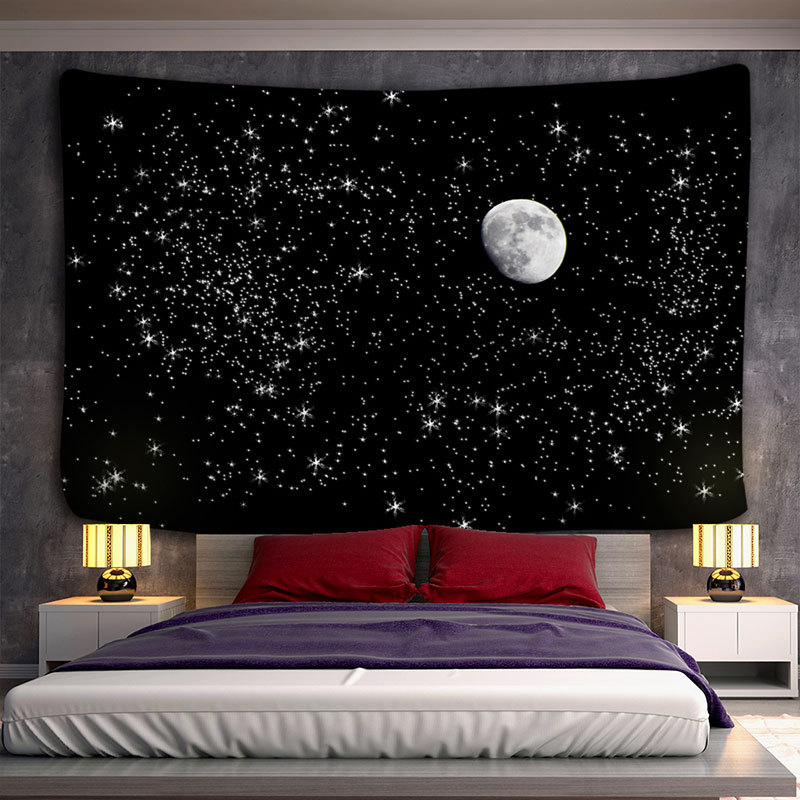
The largest bare wall is the loudest object in the room, and a tapestry is the cheapest way to cover most of it in fabric. Bigger genuinely is better here, and so is thickness, which puts the woven and brushed pieces ahead of thin prints for this job. One detail multiplies the effect: hang it on a rod standing a few inches off the wall instead of flat against it. Sound passes through the fabric, loses energy, bounces off the wall into the trapped air gap, and loses more on the way back out. The hanging methods are in our tapestry guide, and the rod-and-bracket method happens to be the acoustically best one.
Curtain the Glass, Generously
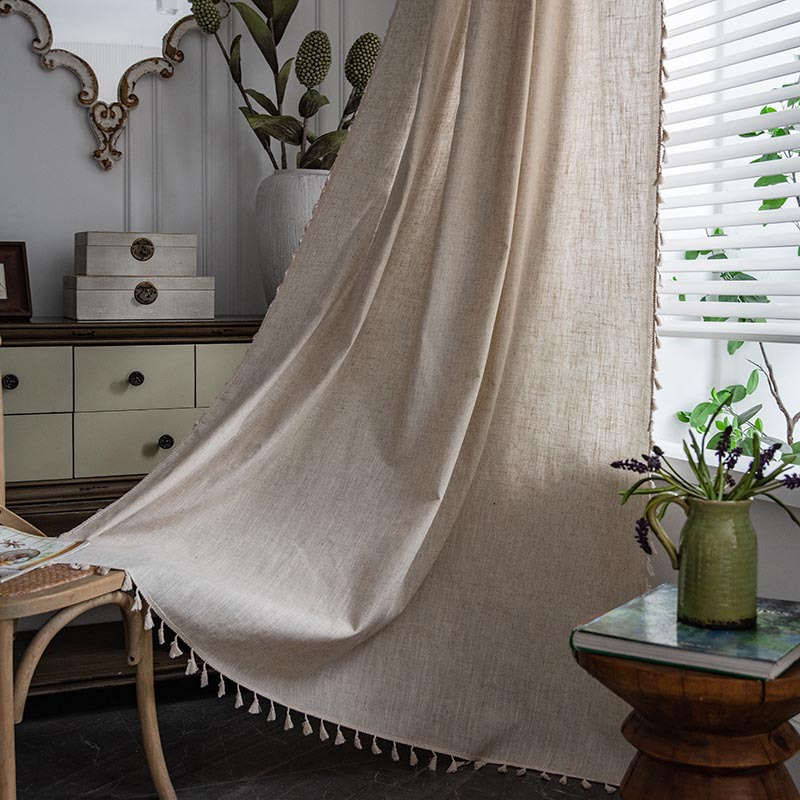
Windows are rigid reflectors, and thin curtains barely register to a sound wave. Heavy fabric does: velvet and lined thermal panels hung floor length, wider than the glass, soften both the room's echo and the edge of whatever comes through from outside. This is the rare upgrade that pays three ways, since the same panels that calm the acoustics also insulate the window and darken the room. Even open, stacked panels of heavy fabric keep absorbing; closed in the evening, the biggest reflector in the room goes soft.
Soften the Floor
Bare floor facing bare ceiling is the worst surface pair in the house, and a large rug with a pad underneath breaks it. Go bigger than instinct suggests; a rug that ends at the coffee table leaves most of the reflection intact, while one that runs under the front legs of the furniture treats most of the floor. In a two-story house, the same rug also mutes footsteps for whoever lives below, which may buy goodwill you can spend later.
Fill the Flat Walls With Uneven Things
Absorption takes energy out of sound; diffusion scatters what remains so no clean echo survives. A bookcase loaded with unevenly sized books is a first-rate diffuser, and the more chaotic the shelf, the better it works, which is a rare decorating rule that forgives mess. Plants with big leaves scatter and absorb a little. Canvas wall art adds soft pockets where a bare wall stood. None of these does much alone; together they take the ring out of a room's voice.
Mind the Door Gap
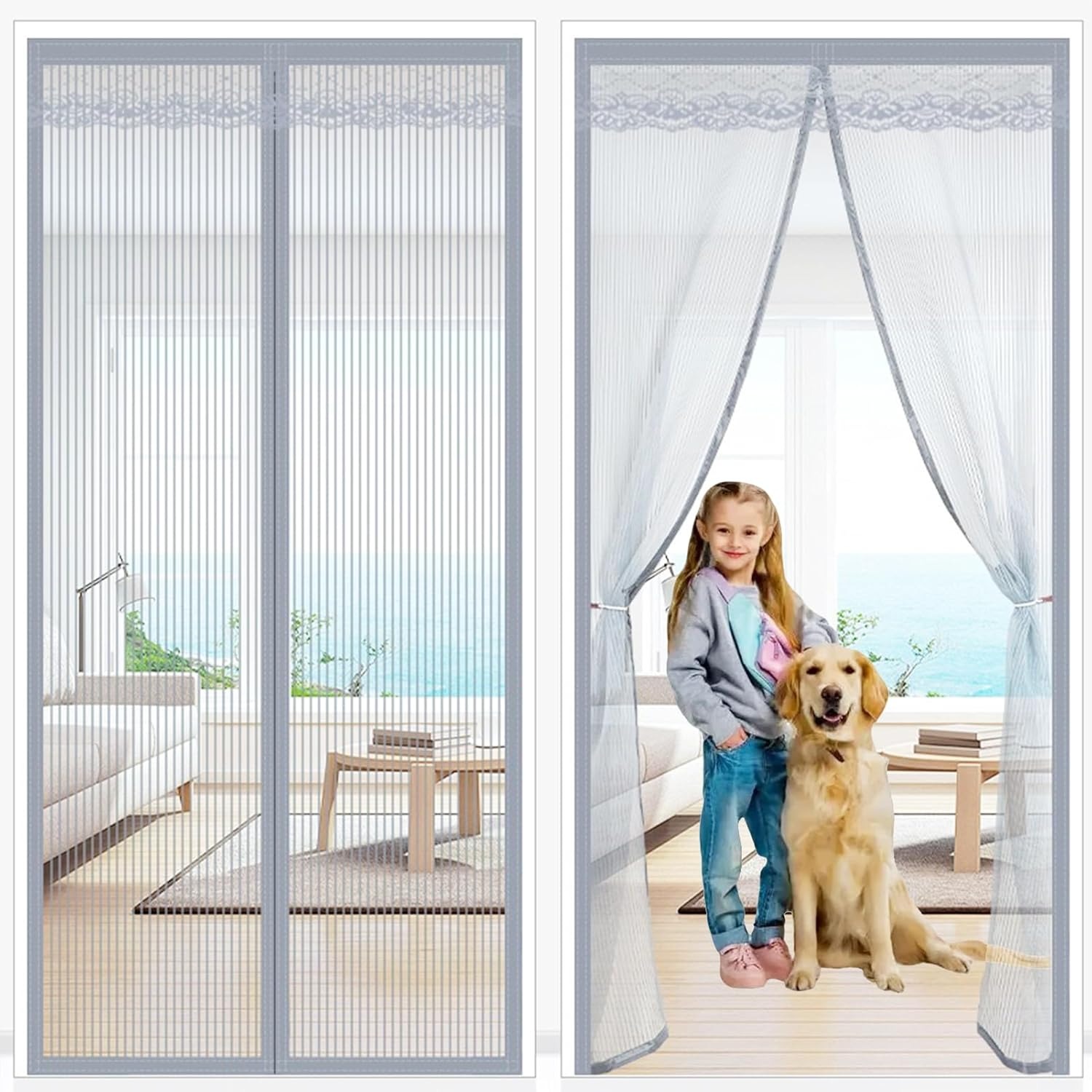
Sound travels through openings even better than it bounces, and the inch under an interior door is a corridor for it. A heavy door curtain over the doorway adds a soft layer that takes the edge off sound passing between rooms, which helps most where a living room adjoins a bedroom or an office. A draft excluder along the gap itself finishes the job, and both together make a noticeable difference through a hollow-core door.
What Fabric Fixes, and What It Cannot
Set expectations before spending: everything above treats echo, harshness, and the general loudness of your own room, and it works. It does not soundproof. Bass from a neighbor's subwoofer and voices through a shared wall are structural problems that fabric cannot solve, the same boundary that applies to dividing a room with curtains. The good news is that most rooms complained about as loud are actually echoey, and echo is exactly what a tapestry, a rug, heavy curtains, and a full bookcase are quietly excellent at killing. Do the biggest wall and the floor first, and clap again.