Why Solar Lights Stop Working (and How to Fix Them)
July 16, 2026
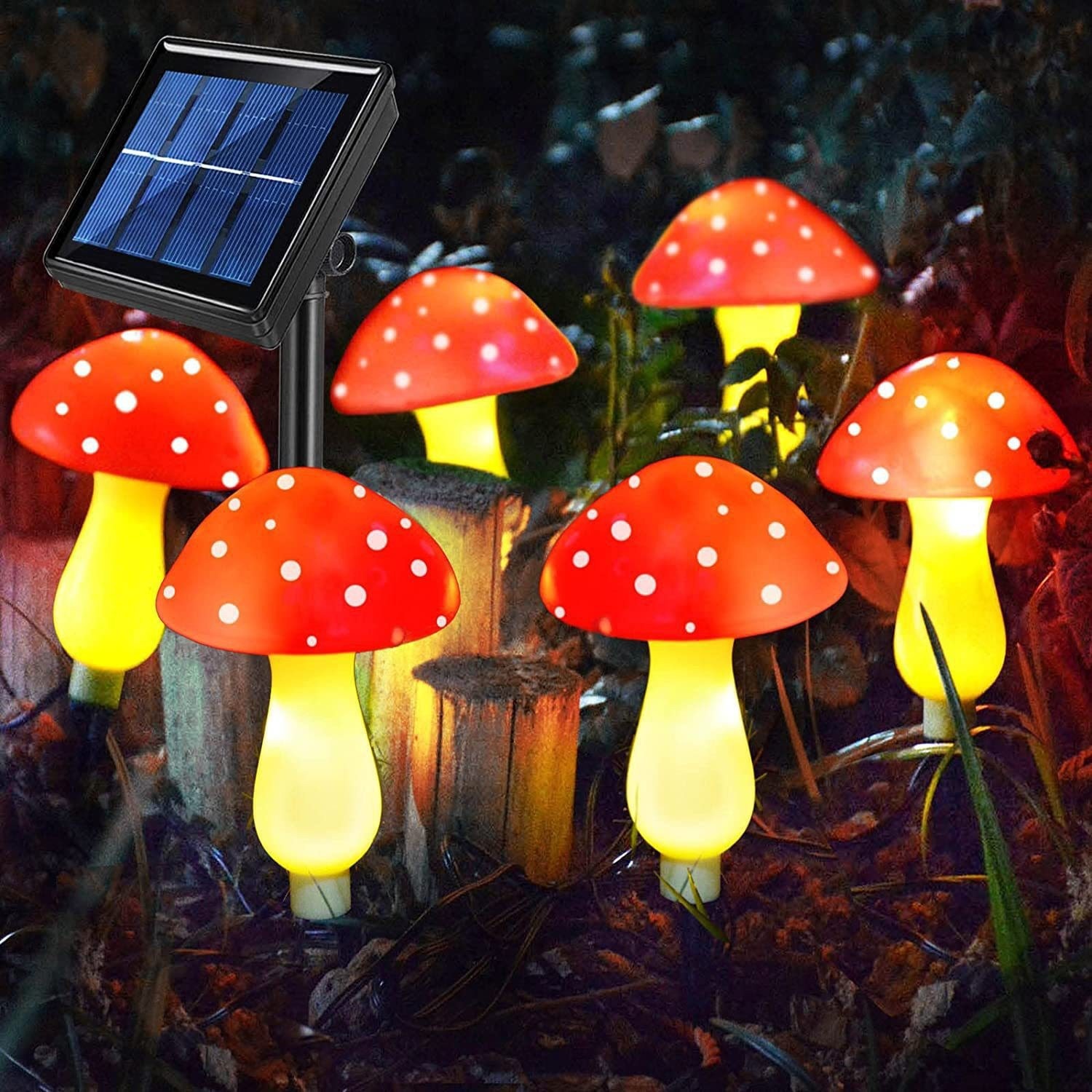
Solar lights have a reputation for dying young, and the reputation is only half deserved. The LED inside is good for a decade, and the panel outlasts the LED. What actually fails is almost always something small and fixable: a film of grime, a shrub that grew, a battery that quietly wore out. Before a dim or dead light goes in the bin, walk it through this checklist. Most come back in ten minutes.
Check the Switch and the Pull Tab
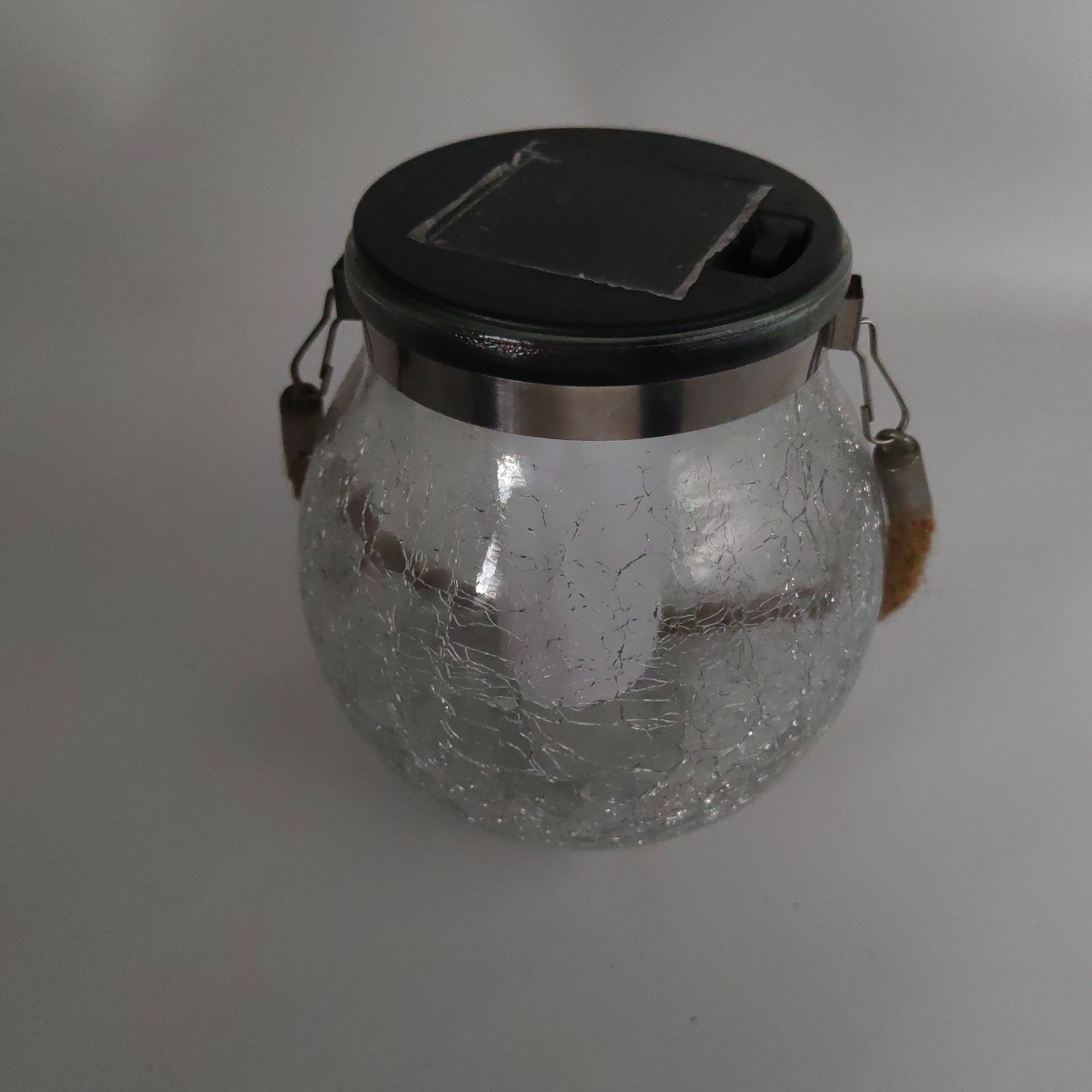
Start embarrassingly simple. Most solar lights have a physical on-off switch, often hidden under the cap or inside the battery door, and it gets bumped to off during garden work. Brand-new lights ship with a clear plastic tab between the battery and its contact, and a light that has never once worked usually still has its tab in. Thirty seconds here saves the rest of the list.
Clean the Panel
The panel is the fuel line, and it lives outside collecting dust, pollen, bird droppings, and sprinkler spots. A dirty panel can lose a large share of its charging power, which turns a light that used to run all evening into one that fades by ten. Wipe it with a damp cloth and a drop of dish soap, and skip anything abrasive, since scratches scatter light permanently. If the plastic has gone hazy and yellow with age, cleaning helps less; haze is a sign the light is nearing the end regardless.
Look Up: Something Is Shading It
Solar lights get installed in April sun and then the garden grows all summer. The hosta fills out, the fence gets a climbing rose, and by July the panel sits in dappled shade reading it as a weak, endless dawn. A panel wants six or more hours of direct sun to fill its battery. Walk out at noon and again mid-afternoon and look at where the shadows actually fall, then move the light or trim what grew over it. Placement rules and spacing are covered in our path light guide.
Replace the Battery
Here is the big one. The rechargeable cell inside a solar light survives two or three years of daily charge and discharge, and then capacity falls off a cliff. The symptom is unmistakable: the light comes on at dusk and dies an hour later, no matter how sunny the day was. Open the battery door, note the type, and replace like with like: NiMH, same size, same voltage, similar capacity. The cells cost a few dollars, take one full sunny day to charge properly, and revive the light for years. Two rules: never substitute a regular alkaline battery, which cannot take daily recharging, and replace cells across a whole set of path lights at once so they age together.
Dry It Out
A light that flickers, works some nights, or shows fog inside the lens has taken on water. Open it up, tip out anything liquid, and let the parts dry indoors for a day or two. Check the rubber gasket where the halves meet; if it has hardened or cracked, a thin bead of clear silicone sealant around the seam keeps the weather out from then on. Corroded battery contacts scrape clean with fine sandpaper or the tip of a screwdriver.
When Winter Is the Problem
A light that fades in November and recovers in March has nothing wrong with it; short days and a low sun simply half-charge the battery. Accept the shorter runtime, clear snow off the panel when you think of it, and bring purely decorative pieces inside for the season. Frequent deep discharges through winter are precisely what shortens battery life, so the lights that rest indoors come back stronger in spring.
When to Replace Instead
Cracked housing, a corroded circuit board, a panel gone deeply yellow: at that point the repair costs more attention than the light is worth. Retire it and spend slightly better on the next one, prioritizing a metal or glass body and a replaceable battery, both of which the longer-lived options in the solar collection tend to share. Then give the new lights the setup the old ones never got, full sun and a clean panel, and the whole cycle slows down. For where the fixed lights should go, our patio lighting guide maps the zones worth lighting first.