Best Solar Lights for a Garden Path
July 1, 2026
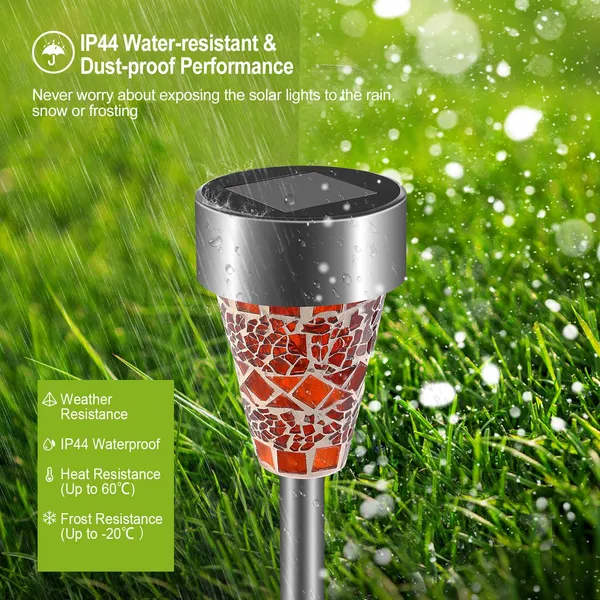
Solar path lights sound like an easy win: no wiring, no electrician, just push a stake into the ground and let the sun do the rest. That is true when conditions line up. When they do not, you end up with dim fixtures that flicker off by 10 p.m. Knowing how these lights actually work, and what separates a good one from a disappointing one, saves you from pulling them all out after a month.
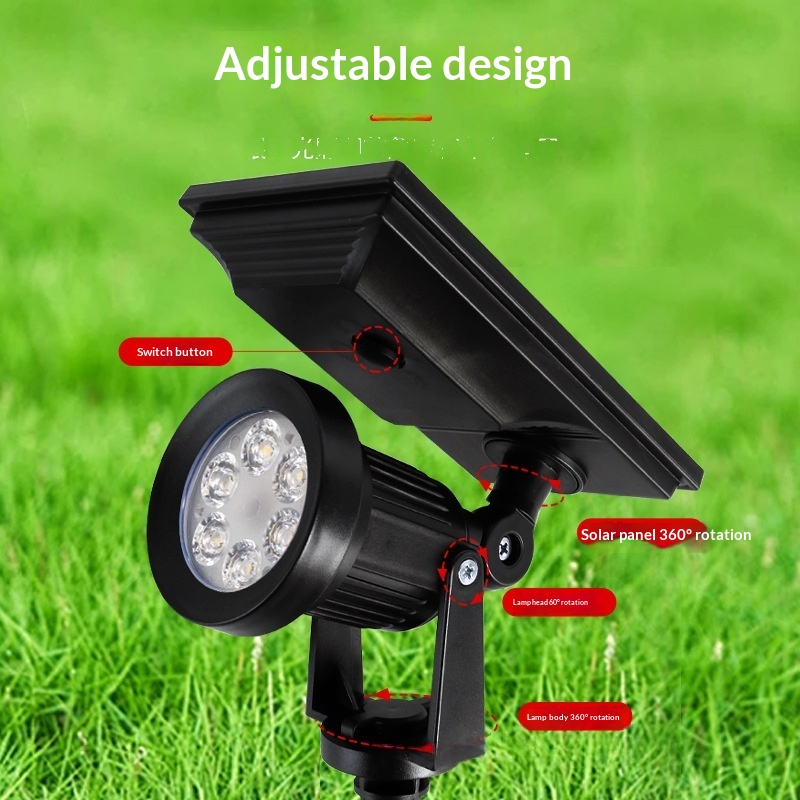
How Solar Path Lights Work
Each fixture has a small photovoltaic panel, usually on top or angled off to one side. During daylight hours the panel charges a rechargeable battery inside the unit. At dusk, a photosensor detects the drop in ambient light and switches the LED on, drawing from stored battery power through the night. The whole cycle repeats daily with no input from you, as long as the panel gets enough direct sun to top up the battery.
That last clause is the catch. A panel sitting in partial shade for six hours will not store the same energy as one in full sun for eight. You will see shorter run times, dimmer output late in the evening, or both.
Specs That Actually Matter
When shopping solar lights, look past the marketing copy and focus on four numbers.
- Lumens: This is the actual light output. Decorative accent lights run 2 to 10 lumens. Functional path lighting needs 50 to 100 lumens per fixture to illuminate the ground clearly. If the listing only says "bright LED" without a lumen count, skip it.
- IP rating: The Ingress Protection rating tells you how well the unit resists water and dust. For permanent outdoor use, you want at least IP65, which means the housing is dust-tight and handles direct water jets. IP67 adds submersion protection, useful in areas with standing water or heavy rain.
- Battery type and capacity: Lithium-ion batteries hold a charge better in cold weather and last more charge cycles than older NiCd packs. Look for capacity listed in milliamp-hours (mAh). Higher mAh generally means longer run time on a full charge, which matters in winter when days are short.
- Panel size and placement: A larger panel harvests more energy. Some fixtures have a separate panel on a short wire so you can angle it toward the sun while placing the light where you want it, which is a real advantage in tricky spots.
Spacing and Placement Along a Path
The standard recommendation is one light every 6 to 8 feet along a straight path. Tighter spacing costs more and can feel like a runway. Wider spacing leaves dark gaps, especially with lower-output fixtures. Alternate sides of the path rather than running them down one edge, which spreads the light more evenly across the walking surface.
Before you buy, walk the path at midday and watch where shadows fall. Overhanging trees, fence lines, and the house itself all cut solar exposure. A spot that looks sunny in spring may be shaded by a full-leafed tree canopy in July. The panel needs at least four to six hours of direct sun daily to reliably power the light through the night.
For curved or irregular paths, mark your planned light positions with small flags or stakes before ordering. It is easy to underestimate how many fixtures a winding path actually needs.
Stake vs. Wall Mount
Most solar path lights come with a ground stake, which works fine in soil. If your path borders a gravel bed, paving, or a raised edge, look for fixtures that include a surface-mount base or a wall-mount bracket. Some garden and outdoor decor lines include multiple mounting options in the box. Wall-mounted lights along a low retaining wall or fence can light a path just as well as stake lights and sometimes get better sun exposure since they sit higher.
When Solar Struggles
Solar path lights have real limitations in certain situations. A north-facing path that stays shaded most of the day will not give panels enough sun to charge fully. Short winter days in northern climates cut available charging time significantly, and cold temperatures reduce battery efficiency. If your path only gets two to three hours of direct sun, solar is a poor fit regardless of the fixture quality.
In those cases, a low-voltage wired system or standard line-voltage landscape lighting with a timer is more reliable. You can still mix approaches: use solar on the sunny sections and wired fixtures where shade is unavoidable. If you want ambient light nearby without dealing with wiring, string lights run from a GFCI outlet can supplement solar path lights on a covered patio or pergola adjacent to the path.
Maintenance and Longevity
Clean the panel surface a few times a year. Dust, pollen, and hard-water residue from sprinklers all reduce how much light reaches the cells. A damp cloth is enough. Batteries in most solar lights last two to four years before capacity drops noticeably. Many fixtures use a standard AA or AAA rechargeable cell that you can replace yourself, which is worth confirming before you buy so you are not discarding the whole fixture when the battery fades.
If lights start cutting out early in the evening, try cleaning the panel first. If that does not help, the battery is usually the culprit. A replacement NiMH or lithium cell of the same size and capacity is a straightforward fix.