How High to Hang Wall Lights, Room by Room
July 15, 2026
Wall lights fail in two directions. Hung too high, they wash the ceiling and leave the room dim at person height. Hung too low, the bulb sits right in your line of sight and glares at everyone on the sofa. The fix is a handful of tested heights, and one default covers most of the house: 60 to 66 inches from the floor to the center of the fixture. From there, each room bends the number for its own reasons.
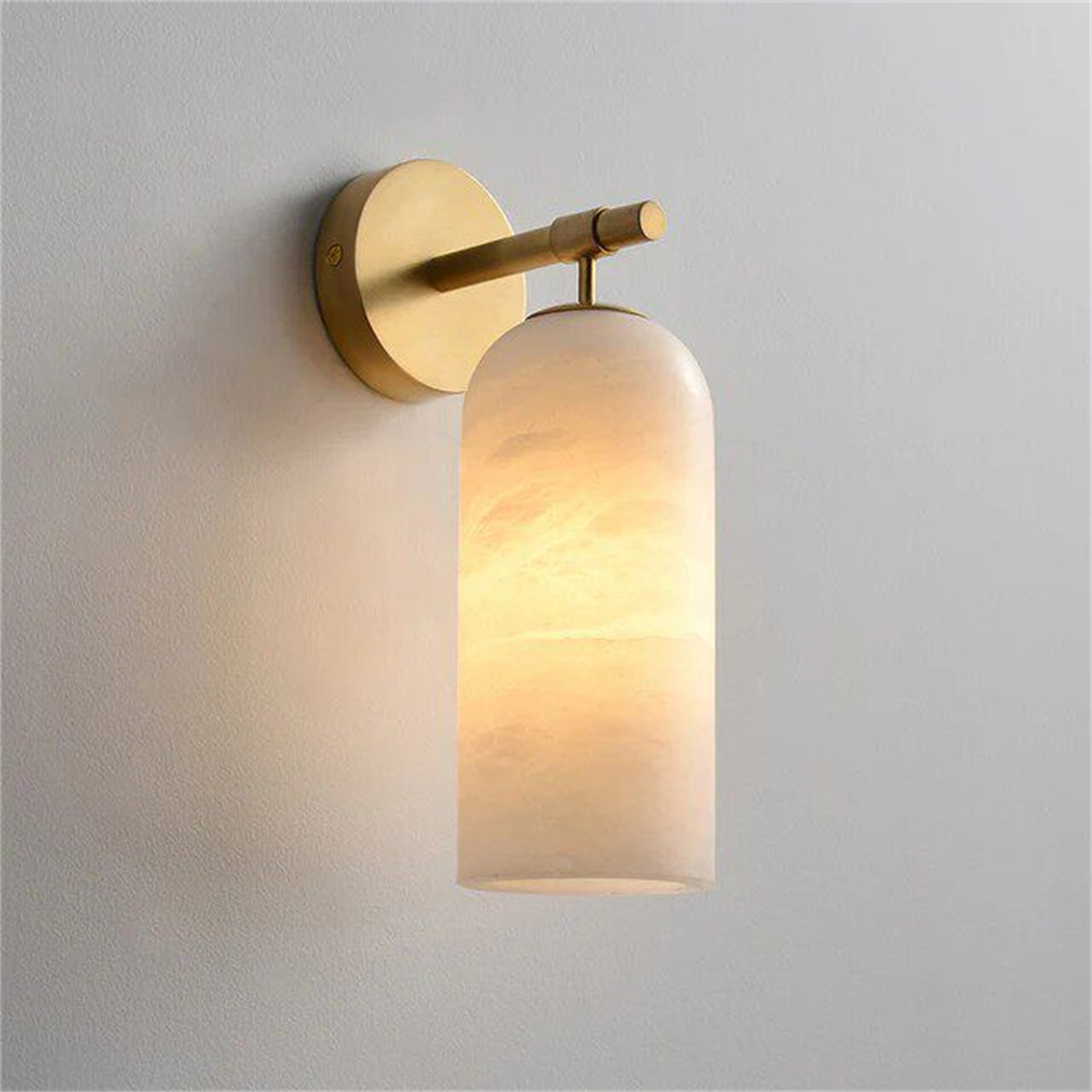
The 60 to 66 Inch Default
That range puts the fixture at or just above average eye level, high enough that the light spreads across the room instead of into pupils, low enough that it lights people rather than the ceiling. When in doubt, hang at 62 inches and move on. Two things shift the number: seating and ceiling height. Rooms where people mostly sit want fixtures a touch lower, and a ceiling over 9 feet can take fixtures a few inches higher without looking stranded.
Bedside Wall Lights
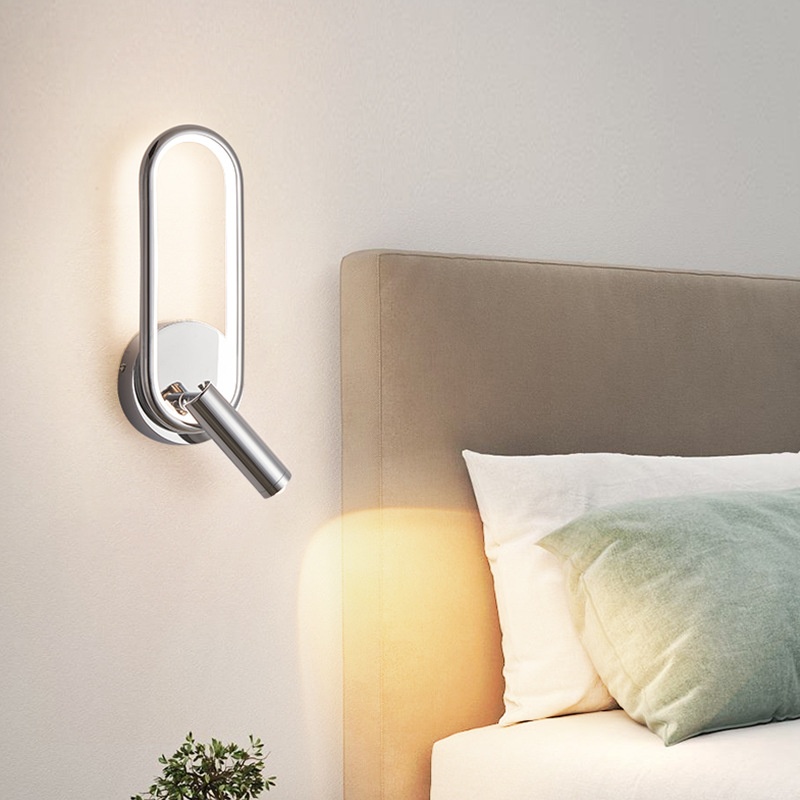
This is the best upgrade in the category, because a wall-mounted reading light gives the whole nightstand back. Mount it 30 to 36 inches above the top of the mattress, which works out to roughly 48 to 55 inches from the floor depending on your bed. Sit against the headboard before you drill: the light should reach your book, and the switch should fall under your hand without a stretch. Swing-arm and rotating heads, like several in the wall lamp collection, forgive an inch of error because you can aim them after mounting. Put one on each side of a shared bed so nobody reads by someone else's light, and keep the bulbs warm; the reasons are covered in our night lighting guide.
Hallways and Stairs
Hallway fixtures go at the 60 to 66 inch default, spaced every 8 to 10 feet so their pools of light overlap. A narrow hall looks better with fixtures staggered on alternating walls than with a runway of matched pairs. On stairs, measure from the front edge of each tread, keep every fixture the same height above that line, and the row will step down the wall in parallel with the staircase. Light the landings first if you only have a few fixtures to spend, since that is where feet miss steps.
Bathroom Mirror Lights
Light for a mirror should hit your face, and shadows come from light that arrives from above. A pair of fixtures flanking the mirror at 60 to 65 inches, spaced 36 to 40 inches apart, lights both sides of your face evenly, which is what shaving and makeup actually need. If the mirror is too wide for side fixtures, a bar light above it works: mount it around 75 to 80 inches so it clears the mirror and angles light down and forward. Pick something rated for bathroom moisture, like the vanity fixtures in the collection.
Living Rooms and Reading Corners
General wash lighting in a living room sits happily at 66 to 72 inches, above the sightline of anyone seated. A dedicated reading light beside an armchair breaks the rule on purpose: the bottom of its shade should sit at about shoulder height when you are seated, roughly 48 to 55 inches, so light lands on the page instead of the top of your head. Wall lights also pair with ceiling fixtures instead of replacing them; the layering logic is in our pendant height guide.
Outside the Front Door
Center an exterior fixture at about 66 inches from the ground, and size it to the door: a lantern one quarter to one third of the door's height looks proportional, and anything smaller reads as an afterthought. A pair flanking the door should match heights exactly, since the door frame makes any mismatch obvious. Motion-sensor wall lights earn their keep here, lighting the keyhole moment you need it without burning all night.
Adding Wall Lights Without Wiring
Hardwired fixtures look cleanest, but they are no longer the only way. Rechargeable cordless wall lights mount with two screws or adhesive strips, charge over USB every few weeks, and come off the wall to charge. Magnetic versions leave a small plate behind and the light itself lifts off with one hand. Plug-in sconces split the difference with a cord running to the nearest outlet, and a cord cover painted to match the wall makes them look close to built in. For renters, this whole category turns wall lighting from a landlord conversation into an afternoon job.
Before You Drill
Tape a paper cutout of the fixture at your planned height and live with it for a day, checking it seated and standing. Check what the wall is made of and anchor accordingly; our guide to hanging anything on any wall covers the fasteners. And buy the bulbs at the same time as the fixture, warm white for living spaces, so the first impression is the one you planned.