How to Hang Curtains Without Drilling
June 29, 2026
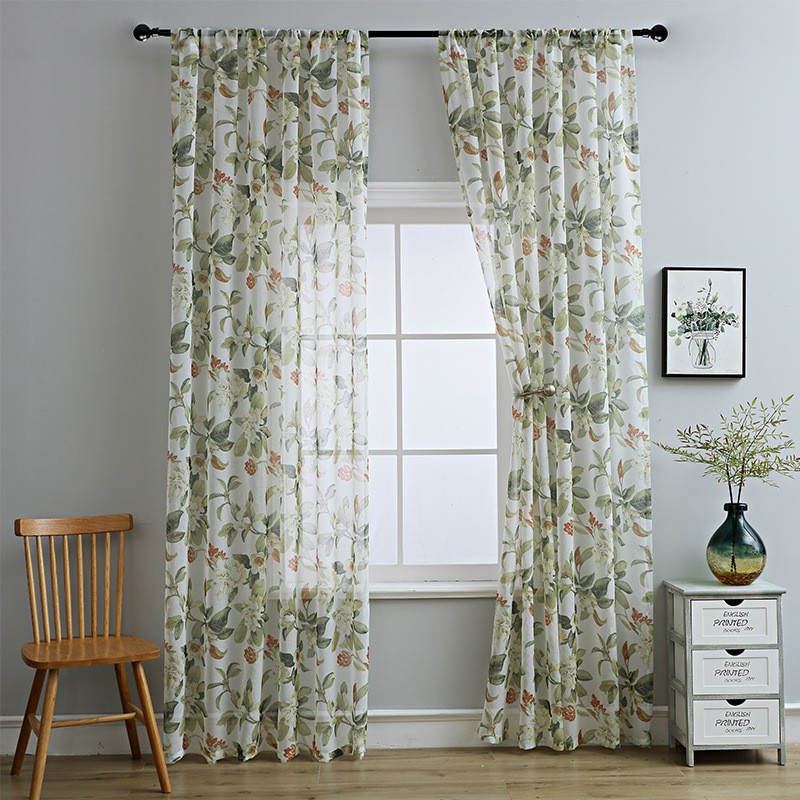
Hanging curtains without drilling is completely doable, and the method you pick should come down to your window type, your curtain weight, and how long you need the setup to last. Each approach has a real weight ceiling, and ignoring that is where most renters run into trouble.
Tension Rods: The Go-To for Standard Windows
A tension rod jams itself between two walls using an internal spring or a twist-lock mechanism. They work best in window recesses, casement windows, and inside-mount frames where the rod has two solid surfaces to push against. Most standard tension rods hold 10 to 20 pounds, though heavier-duty models rated to 30 pounds are available. That is enough for lightweight sheer and net curtains or thin cotton panels, but not for heavy velvet or layered blackout fabric. Always check the rod's rated capacity, not just the diameter.
The most common mistake with tension rods is overloading them. Add a curtain that is too heavy and the rod will gradually creep inward, then drop at the worst possible moment. If your curtains weigh more than 15 pounds total, move to a different method.
Adhesive Hooks and Brackets
Command-style adhesive brackets and hooks stick directly to the wall using a foam adhesive strip that peels off cleanly when you press the tab. They come in versions designed specifically for curtain rods, with a U-shaped cradle that holds the rod in place. Most hold 4 to 7.5 pounds per bracket. With two brackets at the ends and one in the center of longer spans, you can support a light to medium curtain panel without any damage to drywall or plaster.
The critical limitation is surface texture. These products need a smooth, clean, painted wall. Textured walls, brick, wallpaper, and some semi-gloss finishes give the adhesive nothing to grip, and the bracket will fail, often taking a chunk of paint with it. Always clean the wall with rubbing alcohol and let it dry fully before applying. Wait the full 72 hours before loading any weight onto the bracket.
Adhesive brackets work well with curtains and drapes on the lighter side, think sheers, linen blends, and lightweight polyester. Heavy linen, velvet, or any thermal-backed fabric will stress the adhesive over time.
Magnetic Rods on Steel Frames and Doors
If your window has a steel frame, or you're covering a steel door, magnetic curtain rods are the cleanest no-damage option. These rods end in strong neodymium magnets that attach directly to ferrous metal. A good-quality magnetic rod holds 5 to 15 pounds depending on the magnet count and surface area. Steel door frames, steel casement windows, and metal apartment door frames are all fair game.
Check the door or frame with a refrigerator magnet before buying. Aluminum frames, fiberglass doors, and most hollow-core interior doors won't work. When they do work, the setup is completely tool-free and comes down in seconds. You can find compatible curtain hardware and accessories sized for both standard and wider spans.
Magnetic Screen Doors for Doorways
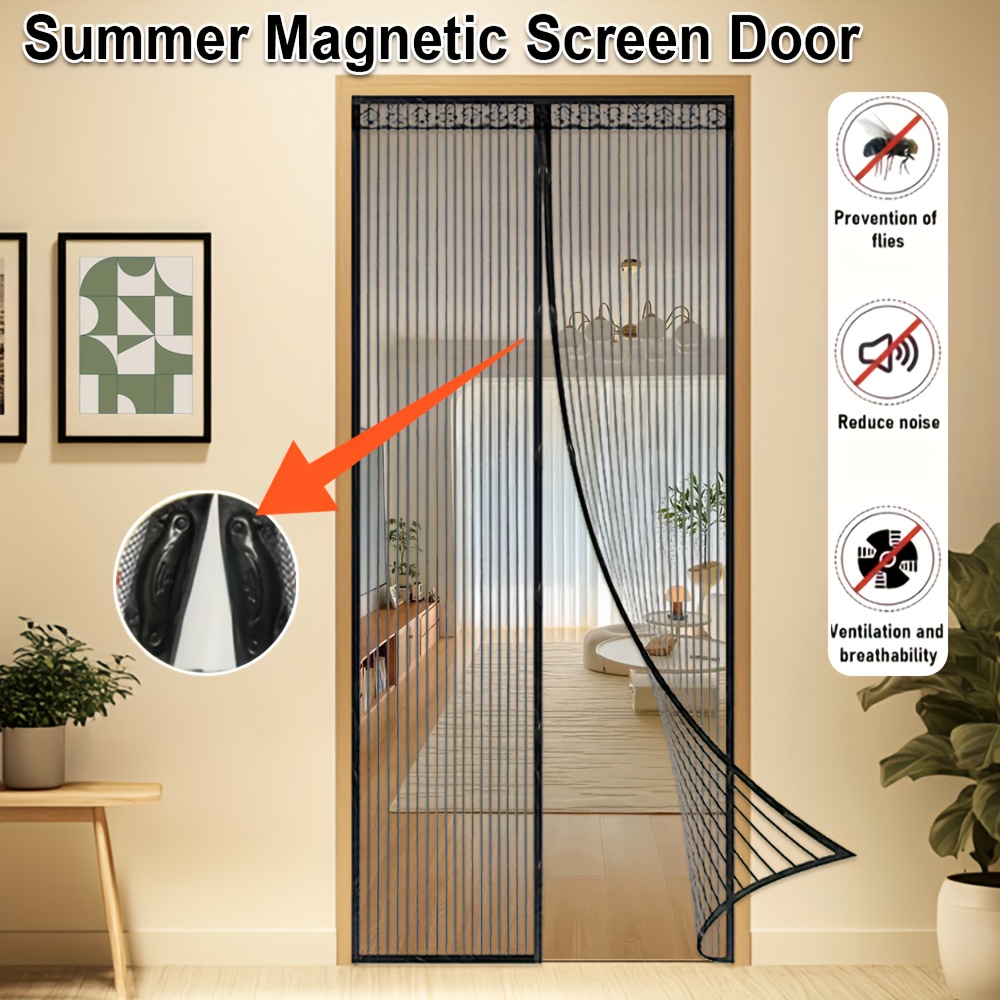
For doorways rather than windows, a magnetic screen door is worth considering as a no-install alternative to a curtain. These panels hang from a self-adhesive header strip that sticks along the top of the door frame, with magnets along the center seam that snap shut automatically when you walk through. Installation takes under ten minutes and leaves no marks. They work best as a hands-free barrier for entryways, patio doors, and laundry rooms, not as a light-blocking or privacy solution, since most are mesh.
Matching Fabric Weight to the Method
Getting this wrong is the single most common no-drill curtain failure. Here is a practical breakdown:
- Tension rods: Sheers, lightweight polyester, thin cotton. Stay under 20 pounds total per rod.
- Adhesive brackets (2 to 3 brackets): Lightweight to medium-weight panels. Keep total curtain weight under 12 pounds per rod.
- Magnetic rods: Light to medium panels on compatible steel surfaces. Check the specific rod's pull rating before loading heavier fabric.
If you want sheer curtains for diffused light with no hardware stress, any of these methods will handle them comfortably. Heavier thermal or lined panels need adhesive brackets on smooth painted walls, or you need to rethink the curtain weight.
Common Mistakes to Avoid
Overloading a tension rod is the most frequent issue, but hanging adhesive hardware on textured walls is a close second. Textured surfaces like orange peel, skip trowel, or knockdown finishes do not bond reliably with foam adhesive strips, no matter how hard you press. If your walls are textured, use an over-the-door rod or a freestanding curtain panel instead.
Another mistake is choosing rods too short for the span. A tension rod stretched to its absolute maximum exerts less spring pressure, which means the grip is weaker. Buy a rod rated for a range that includes your window width without being maxed out.