What Size Coffee Table Fits Your Living Room
June 28, 2026
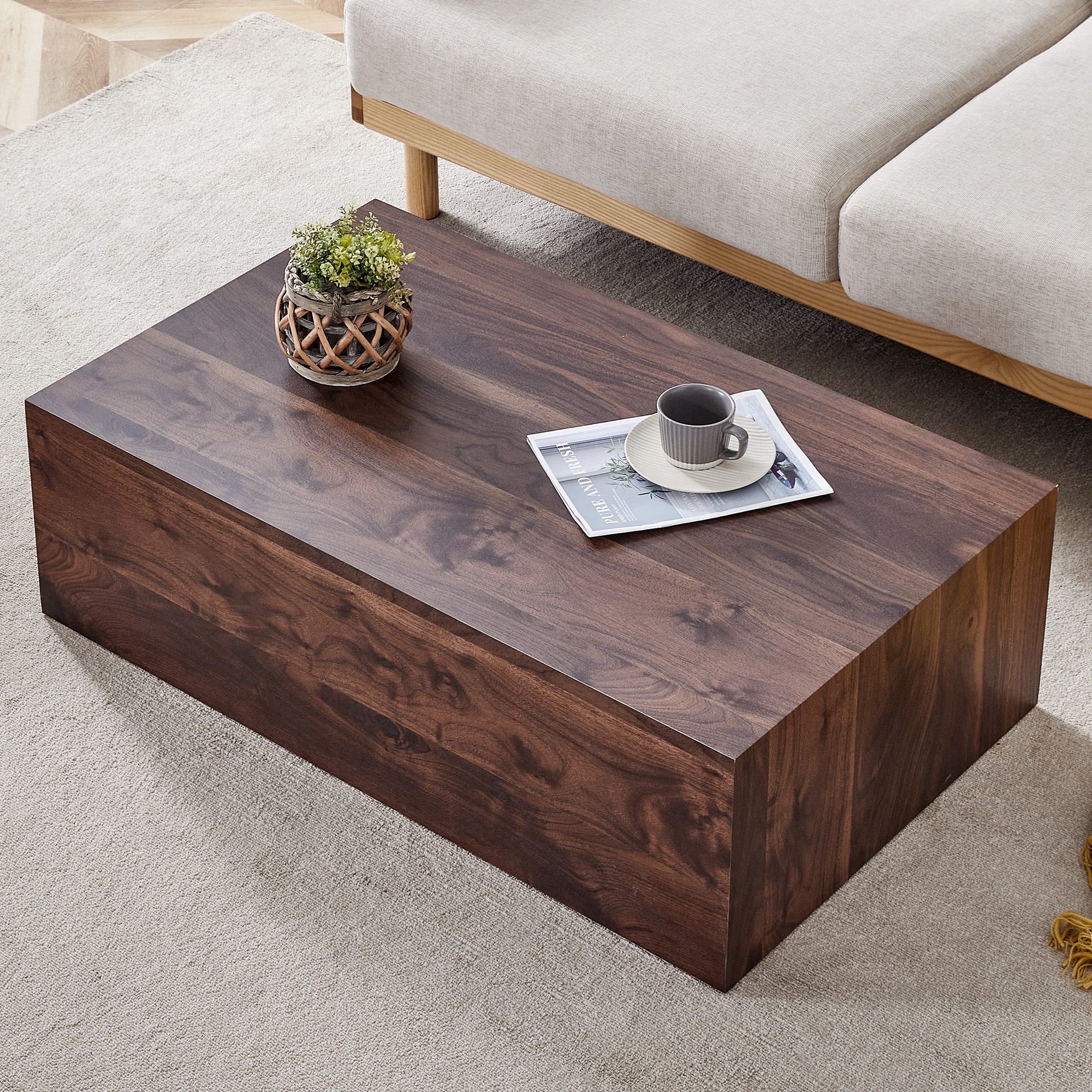
A coffee table is one of the few pieces of furniture you reach for every day, so the size matters more than the style. Too big and the room feels blocked. Too small and it looks lost in front of the sofa. A few simple measurements keep it in proportion and let you shop without second-guessing every listing.
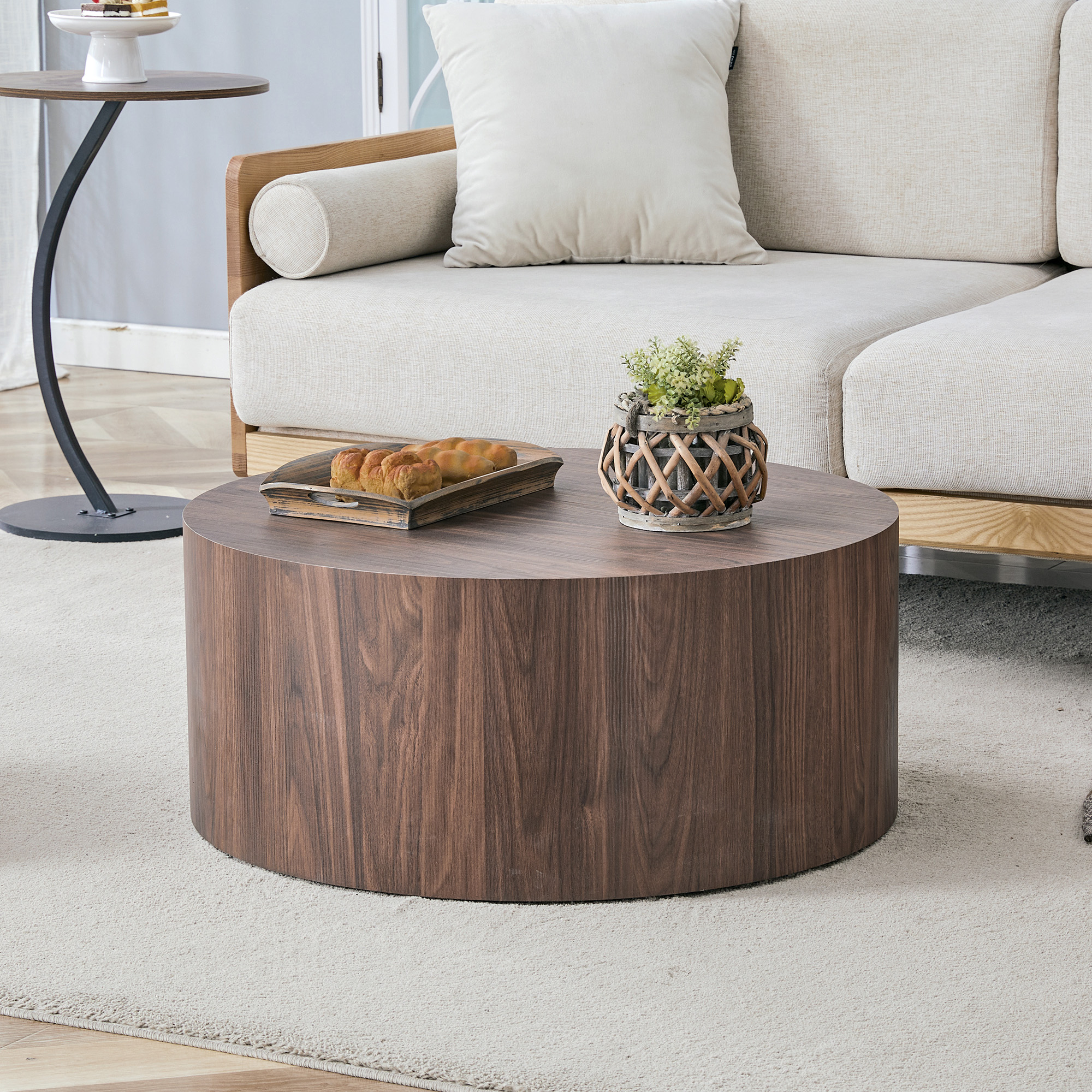
Match the height to your sofa
The top of the table should sit close to the height of your sofa cushions, ideally within an inch or two below them. That keeps drinks and remotes within easy reach when you are seated. Most sofa seats land between 16 and 18 inches off the floor, so most coffee tables fall in the same range. With tall, deep cushions, measure the compressed height while someone sits on the sofa, since a cushion can sink an inch or more under weight.
Lift top tables change the math. The surface stays at normal coffee table height most of the time, then raises to roughly 26 to 30 inches when you pull it up, close to dining or laptop height. That helps if you eat dinner on the sofa or work from the couch, but the mechanism adds weight and a seam across the top. A fixed table is simpler and sturdier if you mostly use the surface for drinks and books.
Length: about two thirds of the sofa
For a balanced look, pick a table roughly two thirds the length of your sofa. A 72 inch loveseat pairs with a table around 40 to 48 inches. A standard 84 inch sofa wants something in the 48 to 54 inch range, and a 90 inch sofa pairs well with a table around 48 to 60 inches. Treat two thirds as a starting point and trust your eye once you are within a few inches.
Different seating layouts shift the target:
- Single sofa: a rectangle at two thirds the sofa length is the safe default, since it mirrors the line of the seat.
- L-shaped sectional: measure the longer leg of the L and aim for two thirds of that, but pull the table toward the inside corner so both runs of seating can reach it. A square or wide rectangle usually centers better here than a long, narrow one.
- Two facing sofas: the table sits in the gap between them, so size it to fill most of that gap while leaving a walking path at each end. A long rectangle, two smaller tables pushed together, or a single large square all work.
- Loveseat plus chairs: a round or square table in the middle lets every seat reach it without anyone leaning across a corner.
Leave room to walk and reach
Clearance is where most rooms go wrong. Aim for these gaps:
- 14 to 18 inches between the table and the sofa, close enough to set a cup down without leaning, wide enough to walk past.
- At least 30 inches for main walkways around the table, so the path through the room stays open.
- A few inches of breathing room on each side, rather than a table that spans the full width of the seating.
If a sectional makes that gap tight on the chaise side, favor the larger gap where people walk through and let the chaise side run a little closer. You sit on the chaise rather than walk past it, so reach matters more than a path there.
Get the rug relationship right
The table and the rug are read together, and a mismatch between them throws the whole seating area off. Work to one of two setups. In the first, the rug is large enough that all the sofa legs and the full table sit on it, with the table floating in the middle and roughly 8 to 12 inches of rug showing past each side. In the second, smaller setup, the front sofa legs rest on the rug and the table sits fully on top, which still anchors the group on a tighter budget.
As a quick check, the rug should extend past the table by at least the width of your foot on every side, so nobody steps half on and half off when they walk up to set a drink down. A rug that stops at the table edge makes the whole grouping look like it is floating on an island.
Shape follows the room
- Rectangle: the default for a standard sofa, since it mirrors the line of the seat.
- Round or oval: softer in tight spaces and safer around kids, with no sharp corners to catch a hip. Round tables also help traffic flow in a narrow room, since you can cut the corner instead of walking the long way around.
- Square: well suited to a sectional or a deep, square seating layout where a long rectangle would leave the far corners out of reach.
- Nesting tables: two or three tables that tuck together, so you can spread them out for guests and pull them back in afterward. Handy in a small apartment or a room that changes use.
Storage, materials, and life with kids or pets
If your living room doubles as a catch all for remotes, magazines, and chargers, a table with a drawer or a lower shelf earns its keep. A drawer hides clutter outright, while an open lower shelf keeps things off the main surface, which is enough to make the table read as tidy.
Material decides how the table holds up to daily use, and that matters most in a busy household:
- Tempered glass: keeps a small room feeling open and wipes clean, but it shows every fingerprint, and a low glass corner is hard on shins and toddler heads. Skip it, or pair it with rounded edges, if small kids share the room.
- Solid and engineered wood: forgiving and easy to live with. A matte or distressed finish hides scratches and water marks far better than a high gloss. Engineered wood with a laminate top resists everyday wear at a lower price than solid hardwood.
- Sintered stone and ceramic: shrug off heat, scratches, and stains, so a hot mug or a dropped toy leaves no mark. These tops are heavy and cost more, but they are the closest thing to worry free with kids and pets.
- Metal and powder-coated frames: sturdy and stable, worth something if a toddler uses the table to pull themselves up. Look for rounded corners and a wide, low base that does not tip easily.
For homes with pets, weight and stability beat everything, since a light table gets shoved around by a big dog and a top-heavy one can tip.
Measure your space in two minutes
You only need two numbers before you shop. Measure the length of your sofa from arm to arm, and measure the seat height from the floor to the top of the cushion. The table should be about two thirds the sofa length and within an inch or two of the seat height. If you have the floor space, mark the table's footprint with painter's tape and live with it for a day to feel the clearances before you buy. Stay inside those numbers and the table will look like it belongs in the room.
Putting it together
Measure your sofa length and seat height, picture the shape against your layout, then shop within those numbers. You can see the full range, from lift top and storage designs to round and nesting sets, in the coffee tables collection. The same proportion rules apply to outdoor furniture if the room opens onto a patio.