5 Coffee Table Styling Ideas for Any Living Room
July 1, 2026
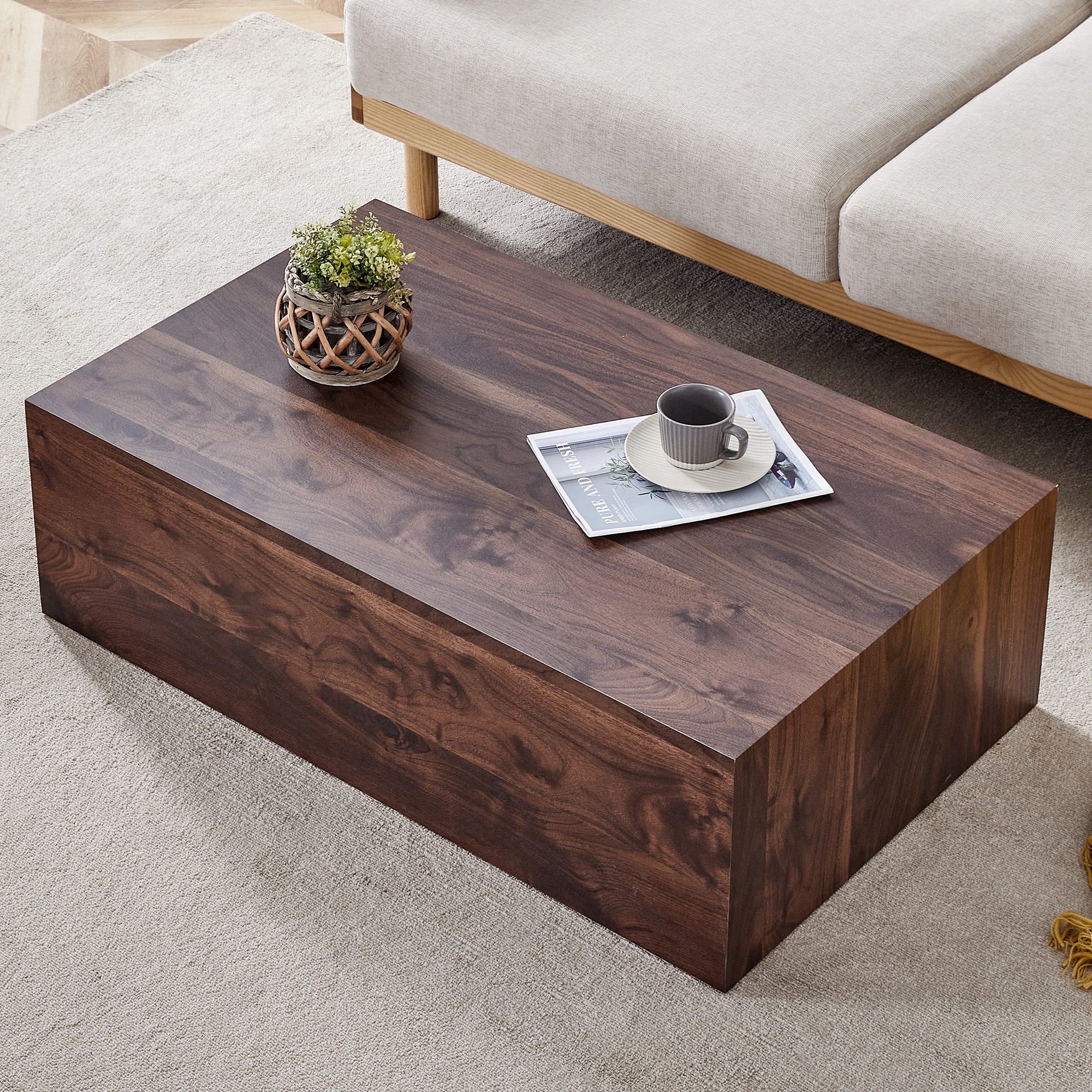
A coffee table takes a lot of abuse. Remote controls, coasters, mail, a half-read book, someone's keys. The line between curated and chaotic is thin, and a few small decisions keep it on the right side. These five ideas work in any space, with any style of coffee table you have. Most of the time you are working with things you already own, just placed with more thought.
1. Use a Tray to Anchor the Arrangement
A tray is the most useful tool for a tidy coffee table because it draws a border. The eye reads everything inside the tray as one styled group and everything outside it as clutter to clear away. That boundary does most of the work.
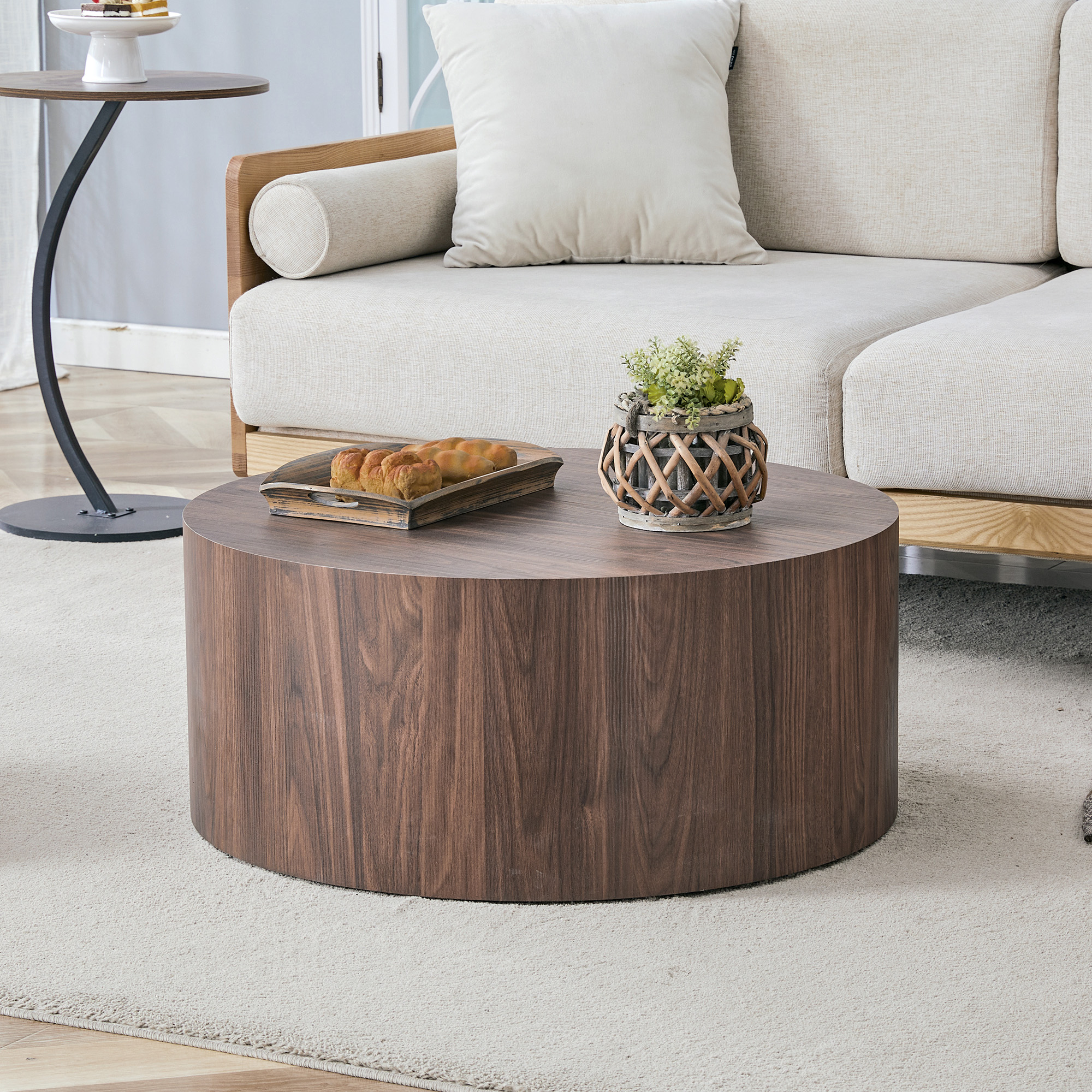
Here is the simple version. Set the tray slightly off-center, then fill it with three to five things you want there: a candle, a small plant, a stack of two coasters. Keep the remotes and the mail off the tray entirely, since the point is to separate the styled corner from the working surface. Low, flat trays in wood or rattan sit quietly under whatever you put on them, while a bright lacquered tray becomes a feature in its own right and needs the rest of the table to stay calm around it.
The common mistake is treating the tray as storage and packing it full. A crowded tray reads as messy no matter how nice the objects are. If it looks tight, pull one thing out.
2. Stack Books for Height
A flat table looks unfinished, and stacked books fix that faster than anything else. Two or three books laid flat give you an instant riser for a small object, and they add warmth and color a hard decorative piece cannot. The stack becomes part of the arrangement rather than a thing waiting to be read.
To do it well, pick books whose spines work with the colors already in the room. If the spines clash, turn them cover-up or wrap one in paper. Vary the sizes so the stack has a slight step to it, largest on the bottom, then set one object on top: a small bowl, a paperweight, a short candle. That is the move that makes a pile of books look deliberate.
Keep it to one or two stacks per table and resist building a tower. Three books is usually the sweet spot. Past four or five the stack wobbles and starts to look like you ran out of shelf space.
3. Add Something Living
A small plant or a few cut stems change the feel of a table in a way no manufactured object can match. Greenery brings color and a texture that reads as fresh, and it softens the hard edges around it: the glass top, the metal legs, the square corners of the books. A low succulent, a small pot of trailing pothos, or a single stem in a bud vase all work at this scale.
Match the plant to the light the room actually gets. A succulent wants a bright spot near a window, while pothos and snake plant tolerate the dimmer middle of a room far better. If you forget to water, cut stems swapped every week or two give you the same life with none of the commitment. And if you want the look with zero upkeep, a pillar candle does a similar job, since it has real height, a natural surface, and a use beyond decoration. You can find candle holders and small vessels at the right scale in home decor.
The mistake here is going too big. A tall leafy plant in the center becomes an obstacle you lean around to talk to someone across the table. Keep it low and to one side.
4. Vary Heights and Group in Odd Numbers
Groupings of two feel symmetrical and stiff, like a pair of bookends with nothing between them. Groupings of four start to look like inventory on a shelf. Three or five objects at clearly different heights read as intentional without looking staged. A tall candlestick, a medium vase, and one low dish create a little stair-step the eye travels across instead of skating over a flat line.
Think of it as a small skyline, a high point and a middle and a low point with some space between them so each piece can be seen on its own. The same logic holds inside a small tray and across a long table in front of a sectional. On a big surface, two or three small groupings beat one crowded pile in the center.
When an arrangement looks off and you cannot say why, check the heights first. Nine times out of ten the pieces are all roughly the same size, and the fix is raising one on a book or trading it for something taller.
5. Leave Open Space and Swap One Thing by Season
The biggest mistake on a coffee table is filling every square inch. Open space is functional. There has to be room to set a drink down, rest a book, or prop your feet for a minute. Aim to leave roughly a third of the surface clear, and treat that empty third as part of the design rather than a gap to fill.
Then, once a season, change one element. A wool throw folded over the corner in winter, a shallow bowl of river stones in summer, a few bare branches in fall. One swap keeps the table from looking frozen in place without forcing a full restyle. Browsing wall art and decor at the start of each season is an easy way to spot a piece worth rotating in.
The Tray Trick for a Two-Minute Reset
Here is the habit that makes all of this hold up day to day. Once the tray is styled, it becomes your reset button. When the table fills up with the evening's debris, you do not have to re-style anything. You clear everything that is not on the tray, wipe the surface, and the styled corner is already done. The table goes from lived-in to presentable in about two minutes, which is the real test of a coffee table arrangement. A setup that photographs well but collapses the moment someone uses the room was only ever staged for the camera. Build around the tray and the table stays usable while it stays good-looking.
The Less Is More Rule
If the table looks busy, the answer is almost always subtraction rather than rearrangement. Remove one object. If it still looks busy, remove another. Most well-styled coffee tables in real homes hold five to seven objects total, not counting the books in a stack. Start near that number and add back only what earns its spot. The table you live with every day should look good and still hold a cup of coffee and a pair of feet, and once the tray is doing its job those two are easy to balance.