How to Make Any Room Feel Bigger
July 2, 2026
Square footage is what it is. But a 12-by-14 bedroom can read like a comfortable retreat or a crowded storage unit depending on a handful of choices. Most of what makes a small room feel small has nothing to do with the dimensions: it's the dark corners, the furniture pushed against every wall, the curtains that stop at the window frame. Fix those, and the room gets bigger without moving a single wall.
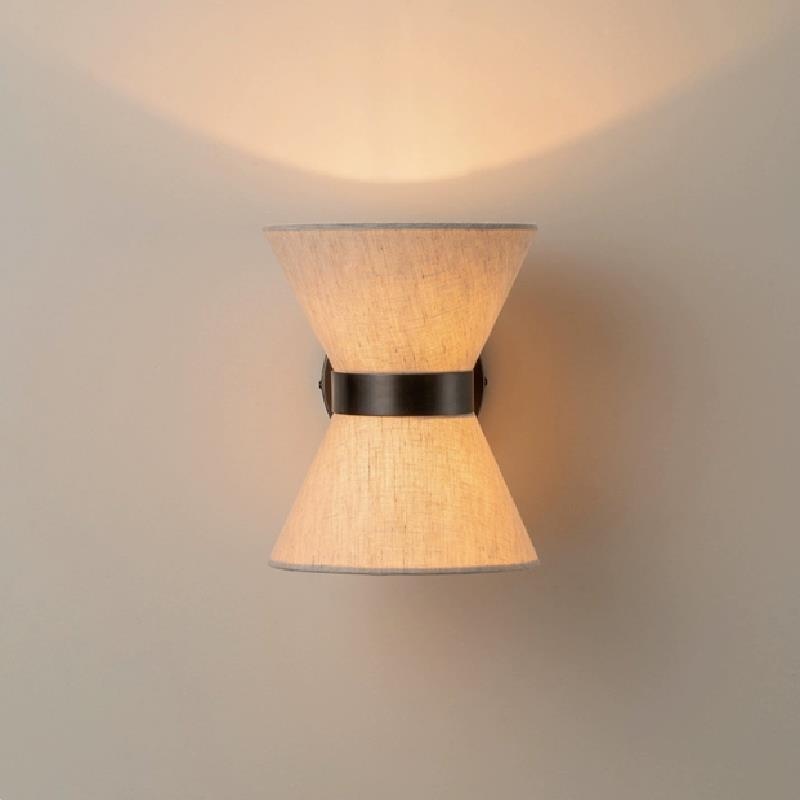
Layer the Lighting So There Are No Dark Corners
A single overhead fixture leaves the perimeter of the room in shadow, and shadow reads as wall. When the corners go dark, the eye stops there and the room feels exactly as small as it is. The fix is to pull light out to the edges. A wall lamp in a corner, a floor lamp behind a chair, a table lamp on a console: each one pushes the perceived boundary of the space outward. You don't need a lot of light, just enough that your eye keeps traveling instead of stopping at a dark edge. Warm-toned bulbs work better here than cool ones, which tend to make a room feel clinical rather than expansive.
Hang Curtains High and Wide
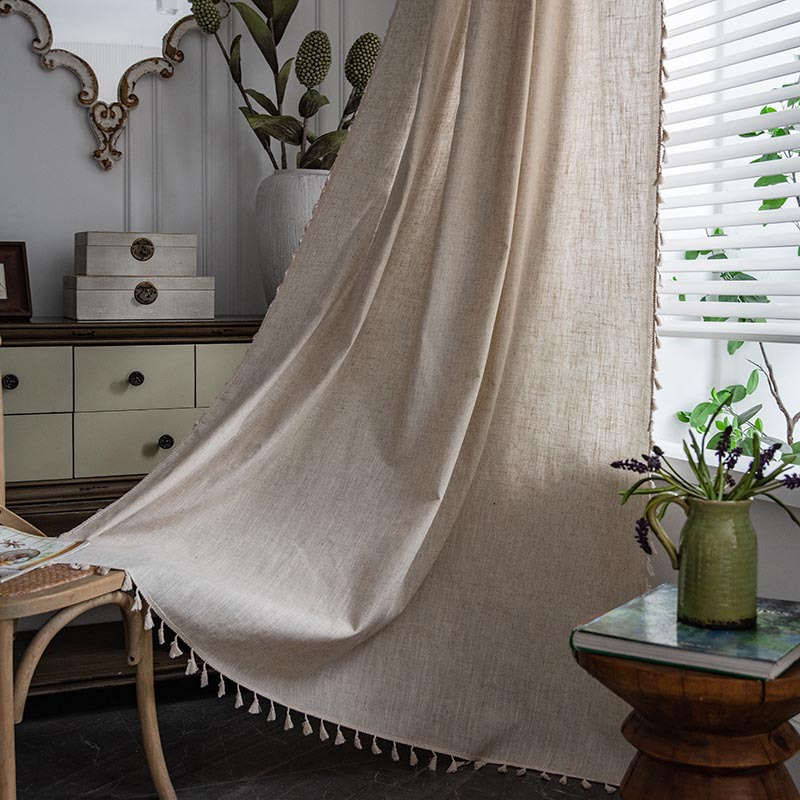
Most people hang curtains at the window frame. That's the wrong place. When you mount the rod close to the ceiling and extend it six to twelve inches beyond the window on each side, two things happen: the window looks dramatically larger, and the ceiling looks higher. Sheer curtains are the right fabric for rooms you want to feel open. They let light through while still giving the window visual weight. Stack them to the sides of the glass when open so the full window is unobstructed. Floor-length panels, even on a short window, draw the eye up and make the ceiling feel further away.
Put a Mirror Opposite a Window
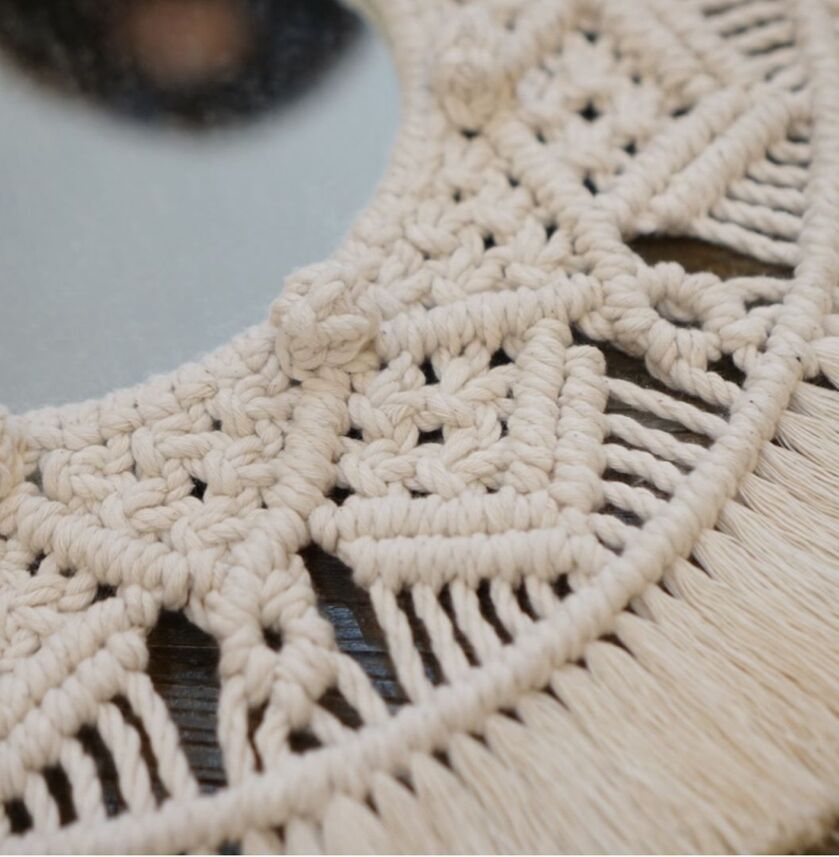
A large mirror on the wall facing your main window reflects the daylight back into the room and effectively doubles the light source. It also creates depth: the reflected image makes the eye read the space as continuing past the wall. The bigger the mirror, the more pronounced the effect. A full-length leaner or a large round mirror at eye height both work. Wall art and decor sections often carry oversized mirrors that do the job without requiring a specialty order. Position it so it catches the window directly, not at a sharp angle, or you lose most of the benefit.
Choose Lower, Leggier Furniture
Furniture that sits close to the floor blocks sightlines and makes a room feel stuffed. Pieces with visible legs let light and floor space show underneath, which reads as more open. A sofa on four-inch legs looks lighter than the same sofa with a skirted base that touches the floor. The same logic applies to coffee tables: a glass-top table with slim metal legs nearly disappears visually, while a solid wood block anchors the room and shrinks it. Round tables help too. Corners are where traffic jams happen; round edges keep movement easy and the room feels less crowded as a result.
Keep Sightlines Clear
The eye naturally travels to the far wall. If something interrupts that path, the room reads shorter. Tall, dense furniture clustered near the entrance does this. Keep the path from the doorway to the far side of the room as clear as you can, both physically and visually. Low bookshelves read better than floor-to-ceiling ones unless the shelves run the full wall. A gallery wall on the far wall draws the eye across the room, which is a good thing. Clutter on surfaces does the opposite: it stops the eye short and the room contracts around it.
Hide Clutter in Closed Storage
Open shelving looks fine in photos and accumulates visual noise in real life. Every object on an open shelf competes for attention, and a busy room feels smaller than a calm one. Closed storage boxes and bags tucked under a bed, stacked in a closet, or slid into a console cabinet keep the surface area of the room visually quiet. This doesn't mean everything has to be hidden: one or two deliberate objects on a shelf read as decor. Ten random objects read as chaos. The discipline is in the editing, not in buying more storage.