How to Keep Mosquitoes Out of the House
July 18, 2026

Every summer evening presents the same bad trade: keep the doors shut and swelter, or open them and host mosquitoes until midnight. The trade is avoidable. Mosquitoes get in through a small number of predictable openings and they come from water that is usually within fifty feet of the house, which means a few targeted moves protect the airflow instead of sacrificing it.
Screen the Doors That Stay Open
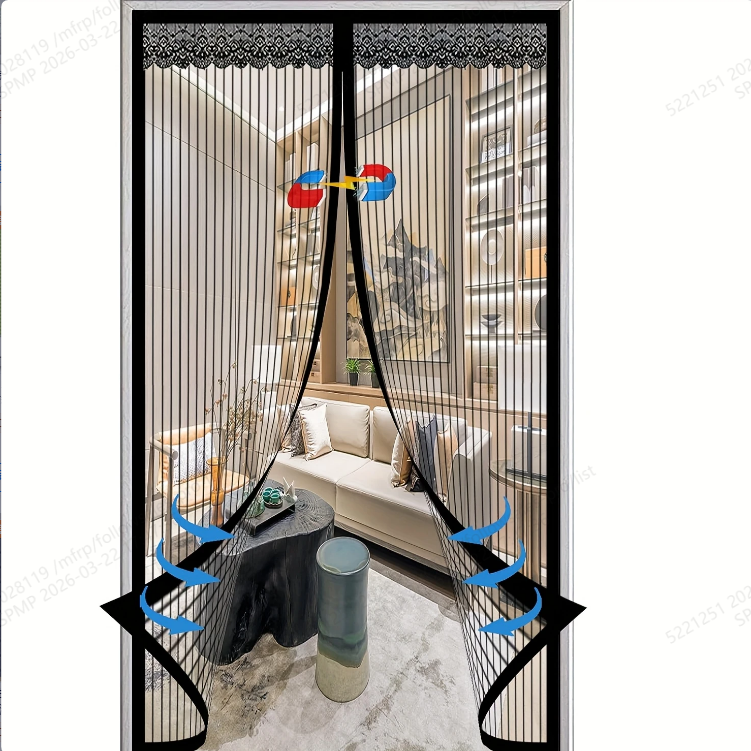
Doorways are the superhighway. A magnetic screen door covers the opening with fine mesh split down the middle, and the magnetic strips snap shut behind every pass, so the door works hands-free for kids, dogs, and anyone carrying dinner. The critical part is fit: mesh should meet the frame on all four sides with no gaps, because mosquitoes patrol edges. Measure the frame and pick the matching size; the install guide walks through the twenty-minute setup. Once the main doors are meshed, evening cross-ventilation stops being a decision and just runs, which also does half the work of cooling the house without the AC.
Patch the Window Screens
Walk the house once with an eye on every window screen. A tear the size of a fingertip is a door, and so is a screen that has popped out of its channel at one corner. Small holes take a stick-on screen patch, bigger ones a roll of replacement mesh, and a frame that no longer sits square just needs its spline pressed back in. Do the inspection in daylight; you will find the failures faster than the mosquitoes did.
Hunt the Standing Water
Mosquitoes breed in still water, need barely a bottle cap of it, and go from egg to airborne in about a week. The supply-side fix beats every gadget. Once a week, do a two-minute patrol: tip the plant saucers, the bucket by the shed, the wheelbarrow, the kids' toys, and the tarp with a puddle in its folds. Refresh the birdbath every few days, since standing longer than that makes it a nursery. Check the gutters after storms, because a clogged gutter is a breeding trough you cannot see. Inside, the same rule applies in miniature to vase water and plant trays.
Point a Fan at the Problem
Mosquitoes are weak fliers, and a fan on medium beats most repellents. On the patio, aim one across the seating area at leg height, where they hunt. At night, a bedroom fan does double duty: the airflow makes you harder to land on and the moving air disperses the carbon dioxide plume that leads them to your face. It is the cheapest effective repellent that exists and it improves the evening anyway.
Fix the Porch Light
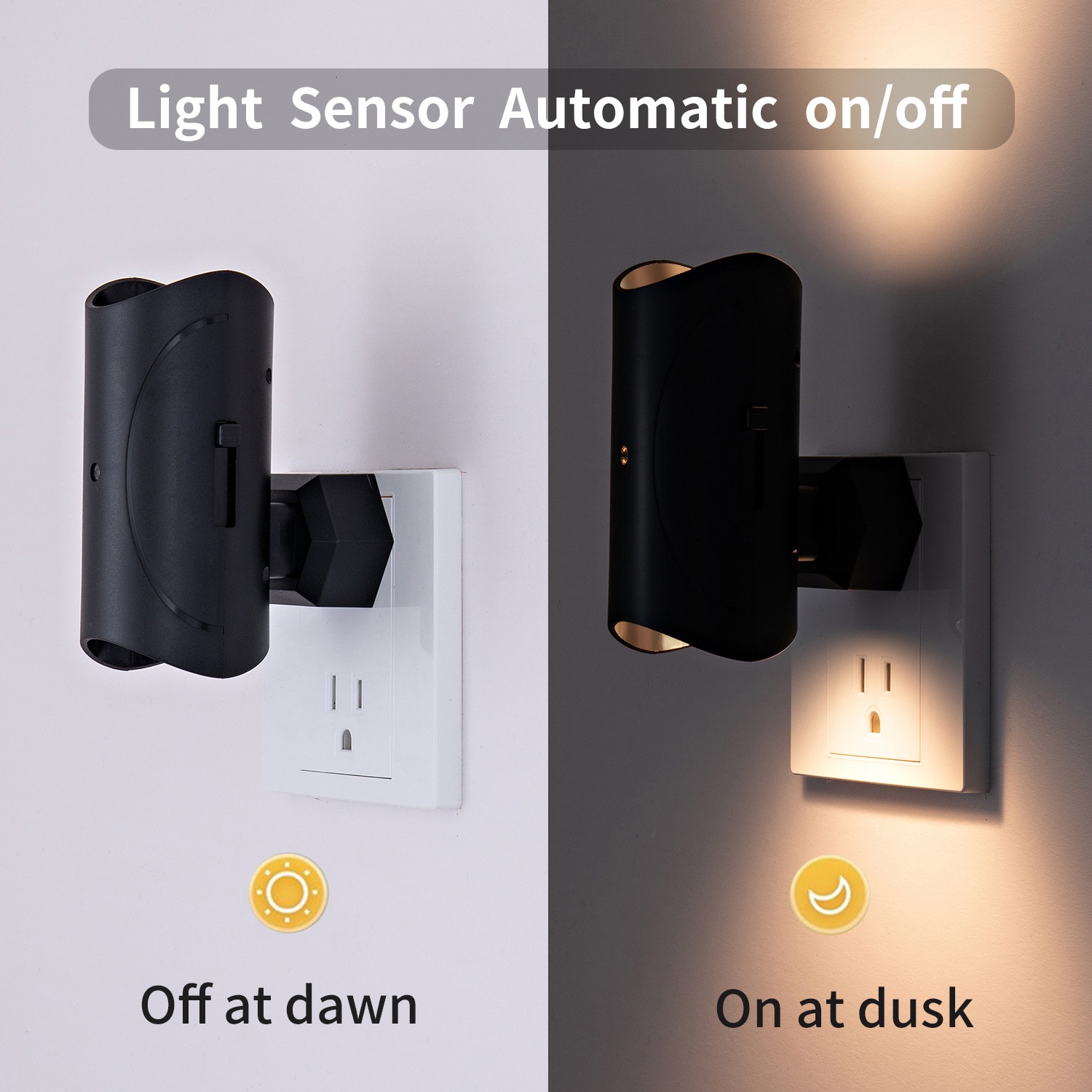
A bright cool-white porch light is an insect beacon, and the cloud of moths it gathers pulls predators and general bug traffic to exactly the spot where the door keeps opening. Swap it for a warm LED, 2700K or lower, which draws noticeably fewer insects, or better, a motion-sensor fixture that lights the key moment and stays dark otherwise. Keeping the entry dim until someone actually uses it thins the crowd waiting to slip inside.
Skip the Gimmicks
Ultrasonic repellent apps and plug-ins do nothing measurable; mosquitoes do not care about the sound. Bug zappers mostly execute moths and beetles while the mosquitoes carry on. Citronella candles protect about an arm's length in dead-still air. If you want actual on-skin protection for a long evening out, picaridin and DEET remain the ones that work. Around the house itself, mesh, moving air, and dry saucers beat every plug-in sold.
The Evening Routine
Put it together and the whole defense takes no daily effort: screens on the doors that stay open, patched mesh on the windows, the water patrol on trash night, a fan by the seats, a warm bulb at the door. Dusk arrives, the cross-breeze keeps running, and the whining stops being part of summer. The one place mosquitoes still find people is the bedroom, and a fan plus a properly meshed window handles that too; pair it with the door curtain on the bedroom doorway if you keep interior doors open for airflow.