A Beginner's Guide to Lighting Your Home
July 3, 2026
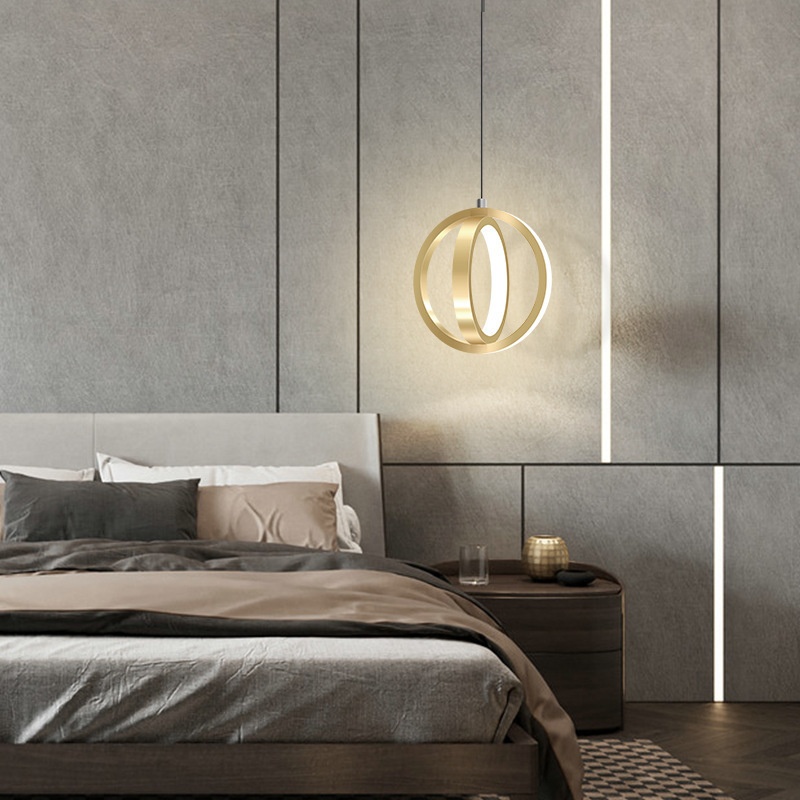
Most rooms that feel dim or flat have the same problem: one ceiling fixture doing all the work. Swap that out for something better and it still feels off. The fix is to stop thinking about lighting as a single source and start thinking about it in layers. Once you understand the three layers, figuring out what to put in each room gets a lot more straightforward.
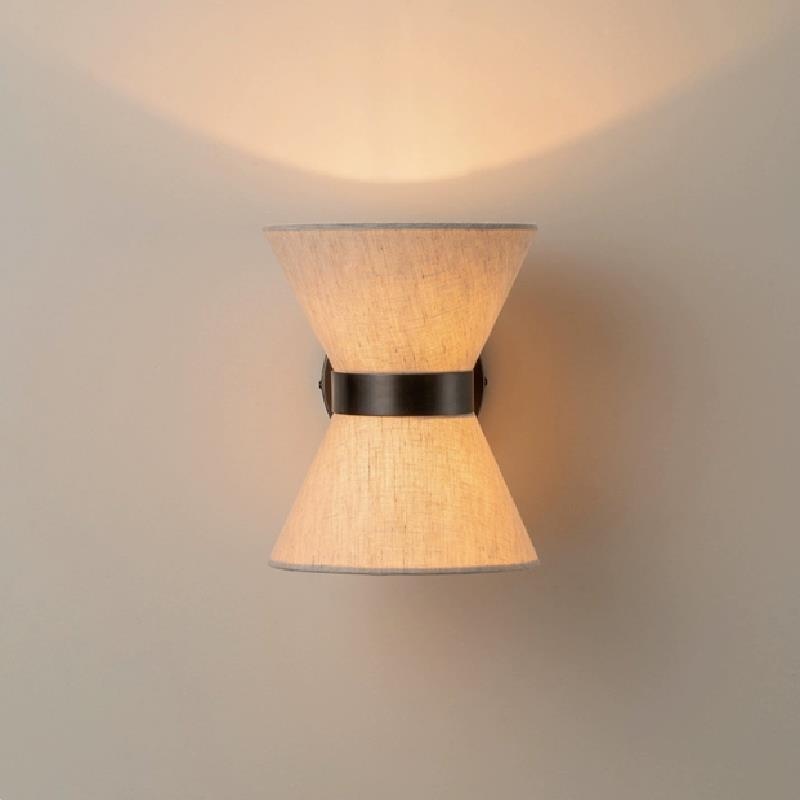
The Three Layers of Lighting
Ambient lighting is the base layer, the general illumination that lets you see across a room. Task lighting targets a specific area where you're doing something that requires focus. Accent lighting adds depth, highlights a wall or an object, and creates the kind of visual interest that makes a room feel finished rather than functional.
Most rooms need all three. A kitchen that has only a recessed grid overhead is bright but cheerless. Add under-cabinet strips for the counter and a pendant over the island and you suddenly have a kitchen that works at different times of day for different purposes.
Color Temperature: Warm vs. Cool
Color temperature is measured in Kelvin. The lower the number, the warmer and more amber the light. The higher the number, the whiter and bluer it reads.
- 2700 to 3000K is warm white. Good for bedrooms, living rooms, dining rooms. Light in this range is flattering and easy to relax under.
- 3500 to 4000K is neutral to cool white. Useful in kitchens, bathrooms, and home offices where you want clarity without the clinical edge of daylight bulbs.
- 5000K and above reads as daylight. Fine for garages or workshops, harsh in living spaces.
A simple rule: warm light for rooms where you rest, cooler light for rooms where you work. You can bend this a little. A kitchen with 2700K pendants over the island and 3500K under-cabinet lighting is a reasonable compromise that looks intentional.
Living Room
The living room calls for the most flexibility. You watch TV, read, entertain, and sometimes just sit. A single overhead ceiling light or chandelier handles ambient, but you will want at least one or two floor or table lamps for task and accent. Position a lamp beside the reading chair, not behind it. Wall sconces on either side of a fireplace or art piece add the accent layer without taking up floor space.
Put the overhead on a dimmer. Being able to drop ambient light in the evening without turning it off entirely changes how the room feels. Pair dimmers with warm bulbs in the 2700 to 3000K range and you have a room that works for a movie and for a dinner party.
Kitchen
Kitchens are task-heavy spaces that also need to feel good. Recessed cans or a flush ceiling fixture covers ambient. Under-cabinet strips or puck lights handle the counter. A pendant light (or two) over a kitchen island does double duty: task lighting for prep and a focal point that ties the room together visually.
Aim for 3500 to 4000K in the work zones. If your kitchen opens to a dining area, you can use warmer pendants over the table to signal the shift in purpose.
Bedroom
The bedroom is where warm and dim wins. Start at 2700K and keep ambient levels low. An overhead fixture on a dimmer is a reasonable base, but many people skip the overhead entirely and rely on bedside lamps. That works fine. Bedside table lamps or wall-mounted wall lamps at reading height give you task light without flooding the whole room.
A night light plugged into a hallway outlet or a corner of the bedroom is genuinely useful if you get up in the night. It's a minor thing that makes a real difference in practice.
Entryway
The entryway is a small space that benefits from a single statement fixture more than anywhere else in the house. A chandelier or a pendant hung at the right height sets the tone for everything beyond it. Keep the bulb color in the 2700 to 3000K range so the space reads as warm when you walk in.
If the entry is narrow or low-ceilinged, a flush ceiling light or a pair of wall lamps flanking a mirror will do the same job without crowding the space. Add a dimmer and you can drop the light low in the evening when you're just coming and going.
One Overhead Is Never Enough
The single biggest lighting mistake in most homes is relying on one source per room. Multiple fixtures at different heights, controlled separately where possible, give you range. You can light the room for cleaning at noon and for reading at 9pm without touching a single bulb. Dimmers help, but so does the simple act of having a lamp in the corner you can switch on instead of the overhead.
Start with the room that bothers you most, layer in a second or third source, and see how much difference it makes before you buy anything else.