Coffee Tables for Small Spaces
July 3, 2026
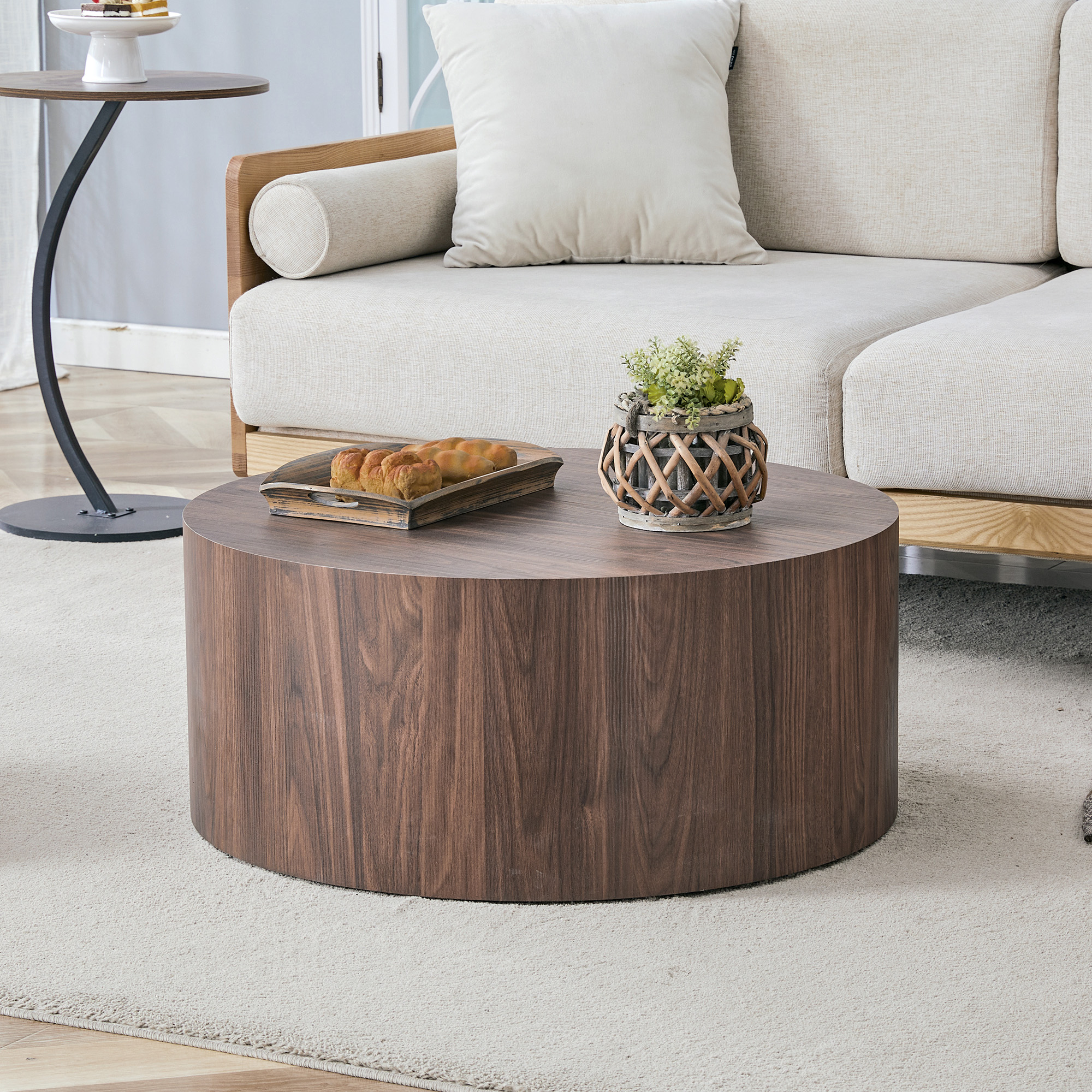
A small living room does not mean skipping the coffee table. It means being more deliberate about size, shape, and what the table does beyond holding a mug. The tables that work best in tight spaces earn their footprint by serving more than one purpose or by sitting light visually.
Get the Scale Right First
Before looking at styles, take two measurements. First, the length of your sofa. Your coffee table should be about two thirds that length. A 72-inch sofa pairs with a table around 48 inches long. Going larger crowds the seating area; going much smaller looks mismatched and leaves the center of the room feeling unanchored. Second, measure the clearance around the table. You need at least 14 to 18 inches between the front edge of the table and the sofa so people can pass without shuffling sideways. In a small room, 14 inches is the practical floor. Below that, the table becomes an obstacle.
Height matters too. Standard coffee tables run 16 to 18 inches tall, which lines up with typical sofa seat cushions. Stay in that range and the proportions read correctly even in a compact room.
Round and Oval Tables: Fewer Corners, Easier Movement
Square and rectangular tables have corners that catch hips and shins, which is fine in a spacious room but genuinely annoying in a tight one. Round and oval tables eliminate that problem. You can walk a tighter arc around them, which lets you place them closer to other furniture without the room feeling jammed. A round table also tends to look smaller than a rectangular table of equivalent footprint because there are no hard right angles drawing the eye to the edges. For a room where you are watching every square foot, that visual reduction is real.
Oval tables split the difference between round and rectangular. They cover more surface area than a circle of similar width while still being easy to walk around. If you need room to set down a tray or spread out a project, oval is often the better call.
Nesting Tables: Pull Out What You Need
A set of nesting tables is one of the most practical choices for a small living room. Two or three tables stack together and take up roughly the footprint of one small table. When you have guests or need extra surface for food and drinks, pull the smaller tables out. When the room needs to breathe again, slide them back. The flexibility they offer is something a fixed table can never match.
Look for nesting sets where the largest table is still proportional to your sofa rather than buying the biggest set available. A large nested trio in a small room still overwhelms the space when the tables are spread out.
Lift-Top Tables as a Desk or Dining Surface
If the living room is also where you work or eat, a lift-top table earns its keep in a small space. The top panel raises and slides toward you, bringing the surface to around 26 to 28 inches, which is close enough to desk or dining height to use comfortably. That means one piece of furniture handles your coffee table, your lunch spot, and your laptop station. In an apartment or studio where a separate desk is not realistic, that consolidation matters.
The one thing to check before buying: lift-top tables need about 18 inches of clearance between the table and the sofa for the panel to swing up without hitting your knees. In a very tight room, measure that gap first.
Glass Tops and Open Bases Keep the Room Feeling Open
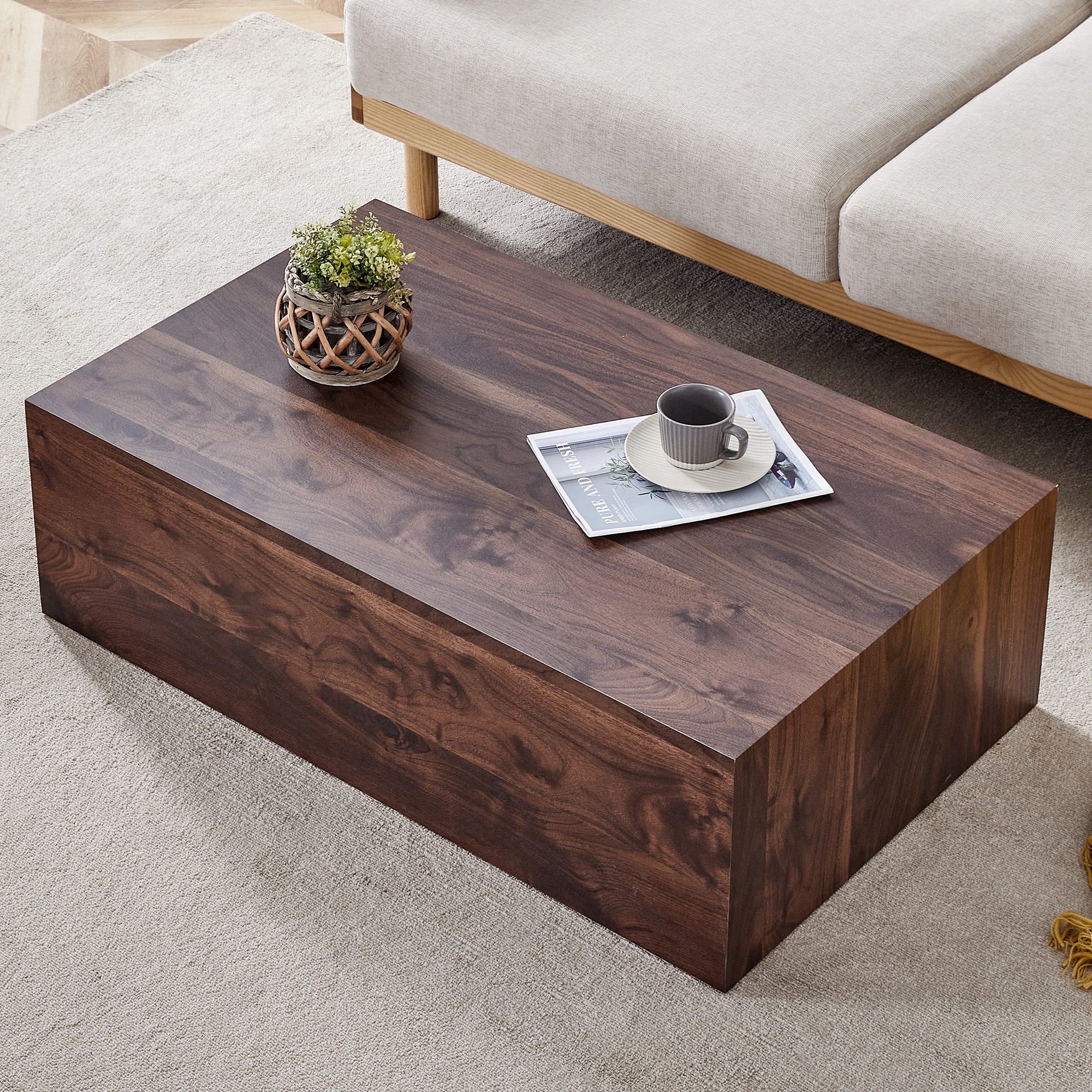
Dark, solid tables with closed bases can make a small living room feel like the walls are moving in. Glass-top tables and tables with open frames or legs rather than solid panel sides let light pass through and let you see the floor underneath, which reads visually as more open space. A hairpin-leg or tapered-leg table has a much smaller visual footprint than a boxy cabinet-style table with the same top dimensions. If the room gets limited natural light, this effect is even more noticeable.
Clear glass tops have a practical downside in high-traffic rooms since fingerprints show on every surface. Frosted or tinted glass splits the difference, keeping the airy look while being more forgiving day to day.
Layout Tips for Small Living Rooms
Push the sofa slightly closer to the wall to give the table room to breathe in front of it. Even gaining three or four inches on the clearance side makes the room feel less pinched. If the TV is on the opposite wall, the table should sit centered in front of the sofa rather than pushed to one side, which keeps the sightlines balanced. For L-shaped sofas in small rooms, a round or square table works better than a long rectangle because it sits naturally in the corner of the L without leaving dead space on either end.