Lift-Top vs Storage Coffee Tables
June 30, 2026
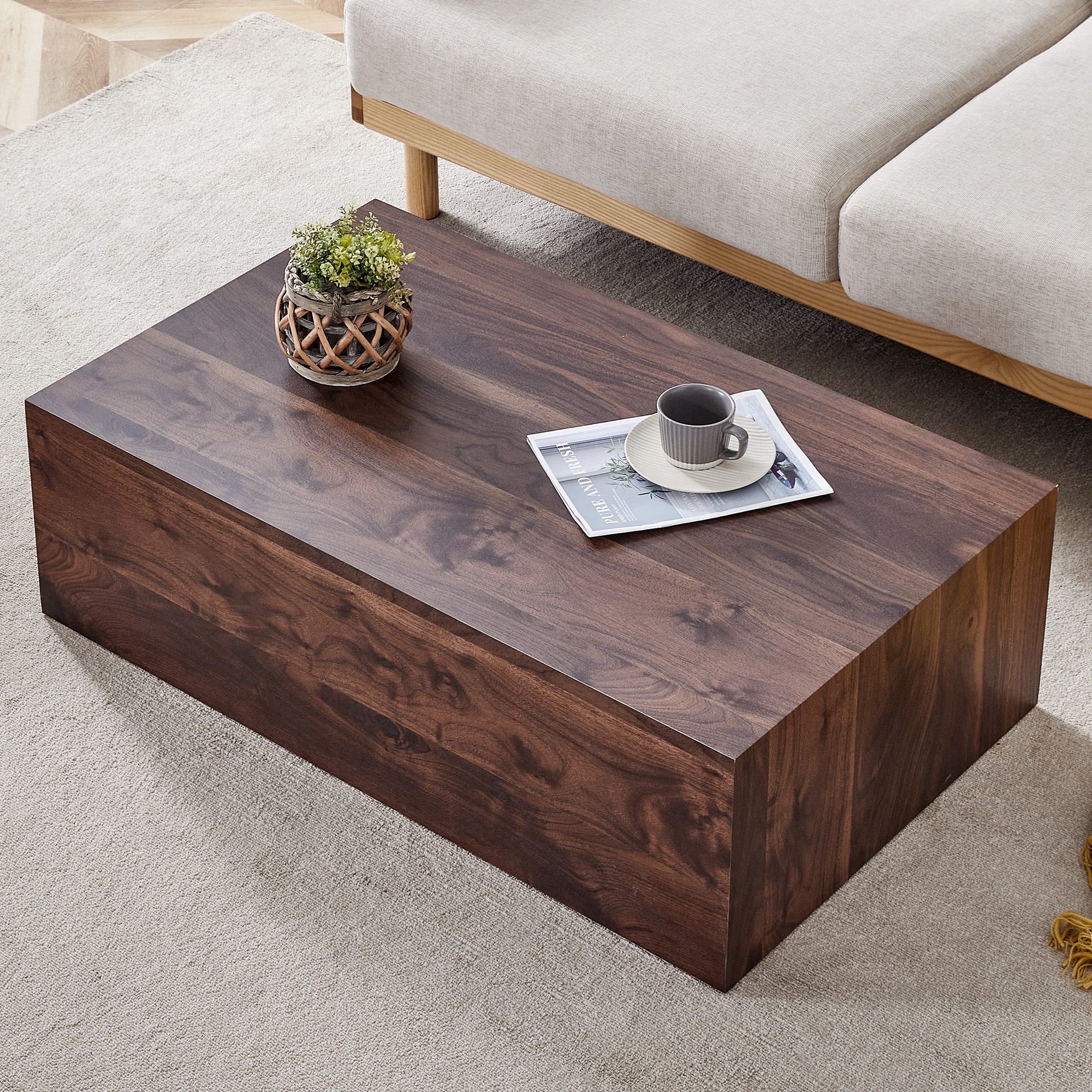
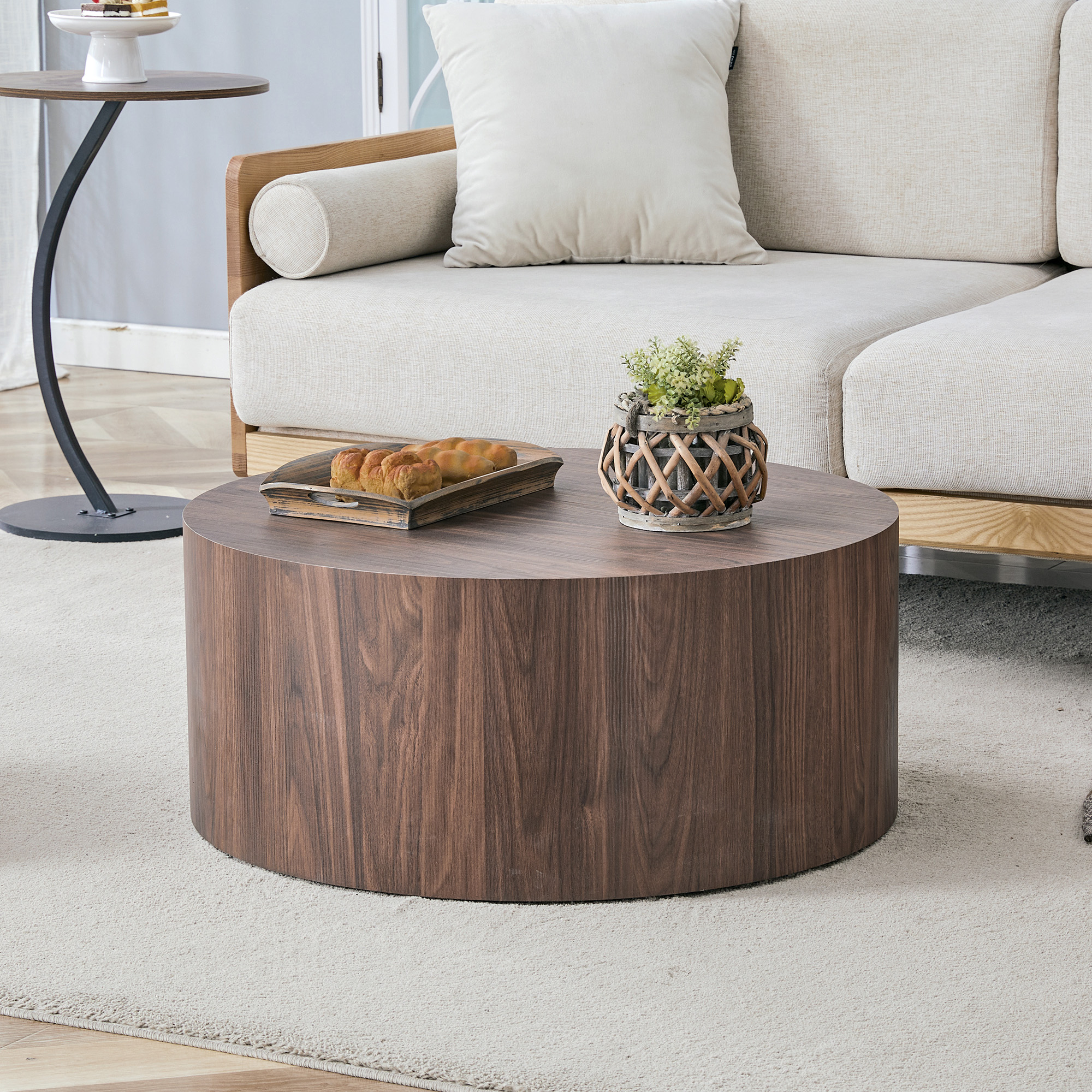
If you spend any time eating, working, or watching TV from the couch, a basic flat coffee table starts to feel like wasted real estate. Lift-top and storage coffee tables both add utility, but they do it in different ways. Knowing the difference will help you pick the right one before it arrives at your door.
How a Lift-Top Mechanism Works
A lift-top table has a hinged or piston-assisted top panel that slides upward and forward toward the person sitting on the couch. When raised, the surface sits at roughly 26 to 28 inches from the floor, which is close to standard dining or desk height. Most use gas-cylinder pistons, similar to what holds up a car trunk lid, or a set of parallel-arm brackets. The piston style is smoother and tends to last longer. Bracket mechanisms are more common on budget tables and can develop wobble after a few years of daily use. Either way, look for steel hardware and a weight limit on the raised top of at least 25 pounds so a laptop and a plate are not pushing the limit.
Storage Capacity: Lift-Top Tables
Under the lift-top panel there is usually a shallow tray, roughly 40 to 50 inches wide, 18 to 22 inches deep, and 5 to 8 inches tall. That fits a laptop, a tablet, a couple of remotes, and some charging cables with room to spare. A few lift-top designs also include a lower shelf beneath the frame, adding open storage for books or a basket. The hidden tray is genuinely useful for keeping clutter off the surface when guests arrive, but it is not meant for heavy or bulky items like blankets or board games.
What Storage Coffee Tables Actually Hold
Storage coffee tables come in three common configurations. Open lower shelves are the most accessible and can hold magazines, remotes, or a wicker basket. Drawers, usually one or two on the side, work well for smaller items you want out of sight. Closed cabinet doors hide the most and are good for living rooms that pull double duty as guest spaces, since you can stow a throw blanket or extra pillows. The total volume in a well-built storage table is typically larger than the tray in a lift-top, and there is no mechanism to maintain. The trade-off is that nothing on a storage table adjusts to a useful working height.
Surface Weight and Durability
The flat surface of a storage table handles weight the same as any solid table. A lift-top surface, when raised, depends on the mechanism to hold it steady. Check the manufacturer's stated weight limit for the raised position. For the lowered position, the weight limit is usually the same as a regular table, often 100 pounds or more, but placing very heavy items at the center of a lift-top can stress the hinge hardware over time. If you plan to stack storage boxes or bags on top, a standard storage table is the better choice.
Sizing Both to Your Sofa
The standard guidance applies to both styles: the table should be about two thirds the length of your sofa, and the surface should sit 16 to 18 inches off the floor so your forearm rests naturally when seated. A 90-inch sofa pairs well with a 60-inch table. For a lift-top, also check the clearance needed when the top is raised. Most need at least 18 inches between the front of the table and the sofa so the panel does not hit your knees on the way up. If your living room is tight, measure that gap before ordering.
Who Each Style Suits
A lift-top is the stronger choice if you regularly eat meals, use a laptop, or do hobby work from the couch. The adjustable height is the feature no other coffee table offers, and the hidden tray is a bonus. If you pair it with a TV unit or sideboard that already covers media storage, the smaller tray capacity is not a problem.
A storage coffee table with drawers or shelves works better if your priority is organizing the room rather than creating a work surface. It holds more, it is simpler mechanically, and it comes in a wider range of styles. For households with kids, the open-shelf version is also easier to access quickly, which matters when you need a remote in a hurry.